Ceiling Water Damage Repair in Scottsdale, AZ
Ceiling water damage repair in Scottsdale starts with one question: where is the water coming from? Here is how to find it and what to do first.
Water dripping from the ceiling? What to do first
Get out from under any sagging spot, catch the drip and cut power to wet fixtures if it is safe. Then take photos and call.
- 01
Step out from under it
Keep everyone away from a spot that sags or bulges. Move kids and pets out.
- 02
Cut power to wet fixtures
If water is near a light or fan, switch off that circuit at the breaker. Only do it if you are standing on a dry floor.
- 03
Stop the water if you can
If a pipe or toilet above is leaking, close the main water shutoff. If it is the AC, turn it off.
- 04
Catch the drip
Set a bucket under the drip. Move furniture, rugs and electronics away.
- 05
Take photos
Photograph the ceiling, the floor and anything wet. Keep the photos for your insurer.
- 06
Call for help
Call now and keep your photos close.
Is a leaking ceiling an emergency?
Yes, when the ceiling sags, bulges or cracks, or when water reaches a light fixture. Act now and stay out from under it.

Sagging or bulging
Wet drywall gets heavy and can bow. Do not stand under it.
New cracks or split seams
Cracks that grow or seams that split can mean water is pressing on the ceiling.
Water near a light or fan
Water and wiring do not mix. Cut that circuit if it is safe.
A drip that keeps going
A steady drip means water is still coming in.
Roof leak, AC leak or pipe? Finding where the water comes from
Match the stain to when it shows up and what sits above it. Storms point to the roof, hot days to the AC drain, a bathroom above to plumbing.
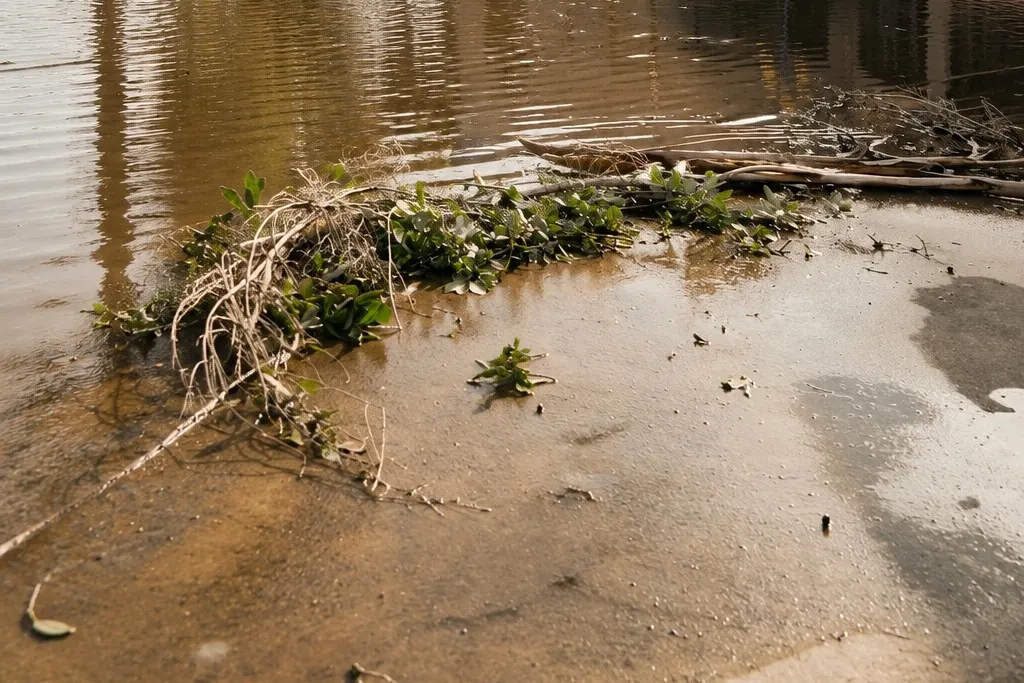
Start with the roof if the stain showed up after a storm. Monsoon season, per the National Weather Service, is June 15 to September 30.
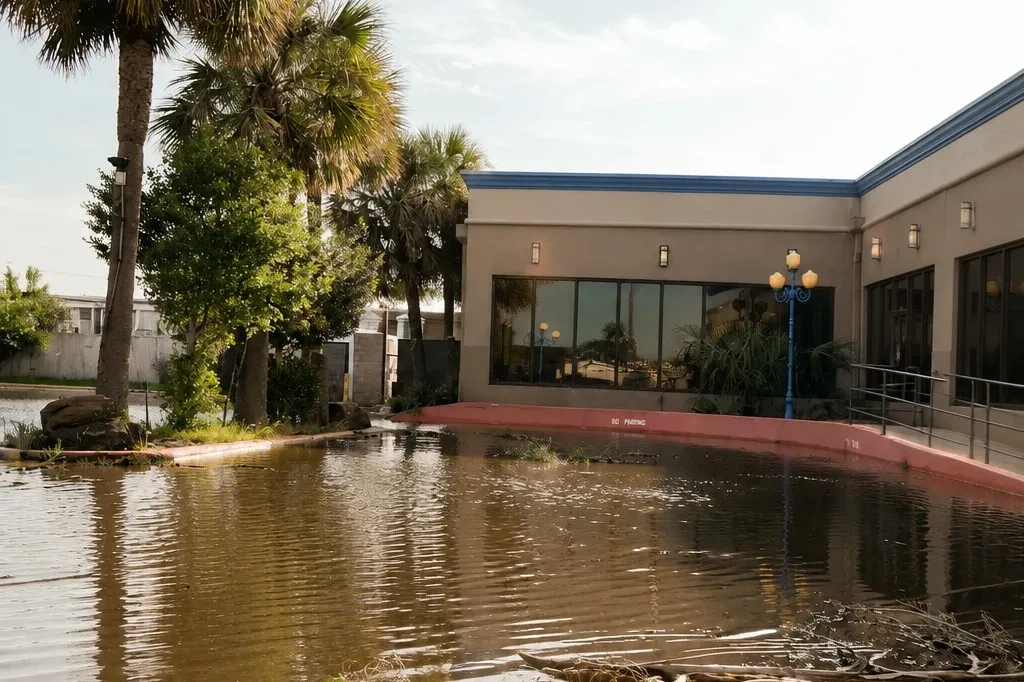
Rain can be much heavier in one area than another. On September 18 and 19, 2025, Phoenix Sky Harbor got 0.23 inches of rain. Around Cave Creek and North Scottsdale, 1 to 2 inches fell, according to the Flood Control District of Maricopa County.
Read about monsoon leaks in North Scottsdale and water damage in Cave Creek, AZ.
On a flat roof, water drains through scuppers. These are openings in the low wall at the roof edge. Rosie Romero, host of KTAR's Rosie on the House, said in 2018 that a little leaf debris can clog one.
Romero also said pooled water can get in through bathroom or kitchen exhaust fans or a plumbing vent pipe. The Insurance Institute for Business & Home Safety (IBHS) advises a professional roof inspection every year. Roof repairs are a job for a roofer.
Next, check the AC. As it cools, your AC pulls water from the air. That water, called condensate, runs out through a small drain line.
An EPA heating and cooling checklist says a plugged condensate drain can cause water damage in the house. If the indoor part of your AC (the air handler) sits in the attic, that water can come through the ceiling.
Your AC runs a lot here. The National Weather Service says Phoenix averages 111 days a year at or above 100 degrees. On average, the last 100-degree day comes on October 5.
Then check the plumbing. A burst pipe in the ceiling can soak the room below.
An upstairs toilet can leak too. In an IBHS study, 78% of toilet water damage came from faulty supply lines, flanges, fill valves or overflow. The flange is the fitting that joins the toilet to the drain pipe.
Water from a toilet may not be clean. See toilet overflow and sewage cleanup.
Water stain on the ceiling but no leak?
A dry stain often comes from a leak that comes and goes. Roofs leak in rain, AC drains clog in hot months, and some pipes drip only when you run water.
A stain that looks dry can still sit under wet insulation. To narrow it down:
- Trace the edge of the stain with a pencil. If it grows, note what happened that day.
- On a hot day, find where the AC drain line exits the house. If it stays dry while the AC runs, the line may be clogged.
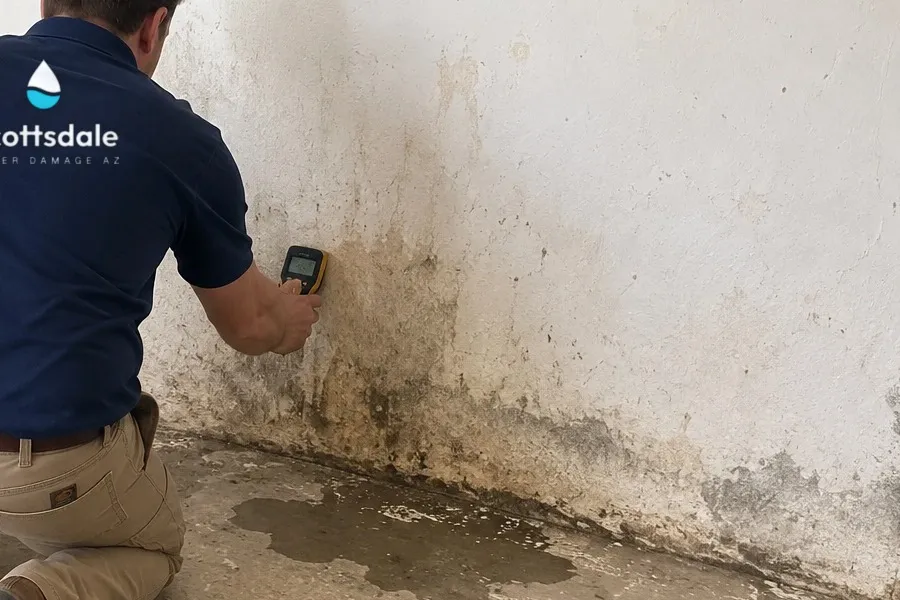
A moisture meter can show if the area is still wet. It is a handheld tool that reads how much water is in drywall and wood.
Do I need to replace the ceiling after a water leak?
It depends on how long the ceiling stayed wet, what it is made of, and whether mold has started. A small spot that dried fast may only need paint.
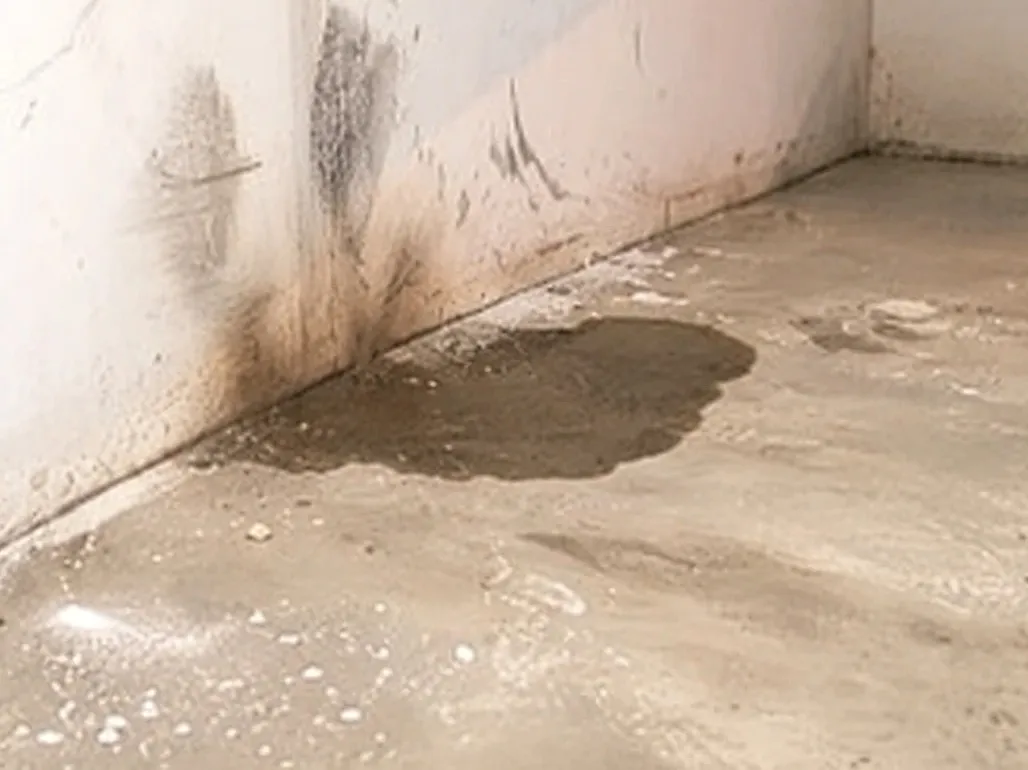
Time matters most. According to the EPA, wet materials should be dried within 24 to 48 hours so mold does not grow. The EPA also says porous materials, such as ceiling tiles, may have to be thrown away if they become moldy.
Drywall is often cut out and replaced when:
- it sagged, went soft or crumbled
- mold is growing on it
- the insulation above it is soaked
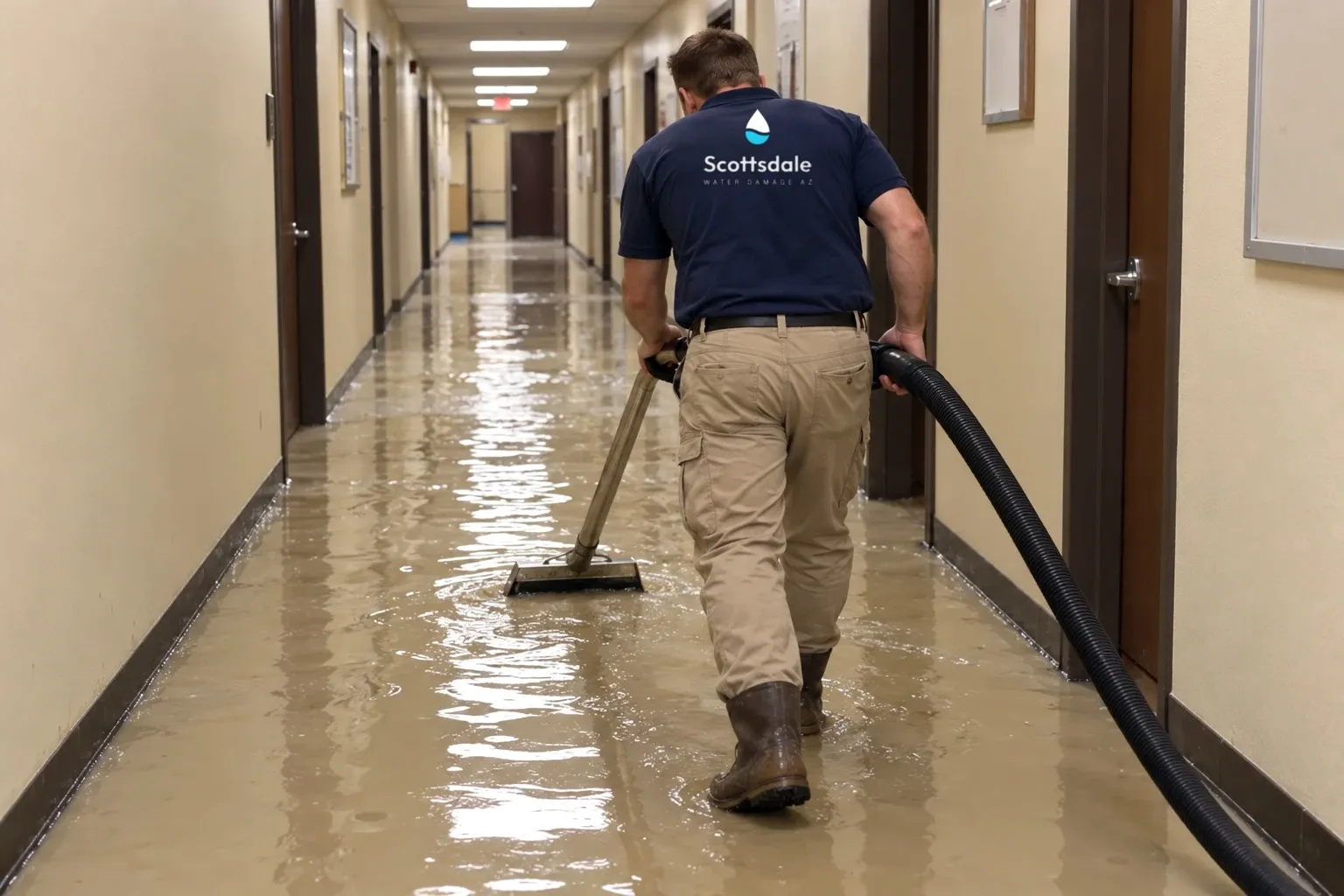
How ceiling water damage repair works
The source gets fixed first. Then the wet area is checked, opened up, dried and rebuilt.
The source gets fixed
A roofer, an AC technician or a plumber stops the water. Drying a ceiling that still leaks is wasted work.
Moisture gets mapped
A moisture meter shows how far the water spread above, around and below the stain. This is called moisture mapping.
Wet materials come out
Soaked insulation and drywall that cannot be saved get cut out, so the wood framing above can dry.
The structure dries
Fans and dehumidifiers run until readings show the wood and drywall are dry.
The ceiling gets rebuilt
New drywall goes up. The texture is matched and the ceiling is painted.
Who to call for ceiling water damage
First call the trade that stops the water: a roofer, an AC technician or a plumber. Then a water damage restoration company dries the area and repairs the ceiling.
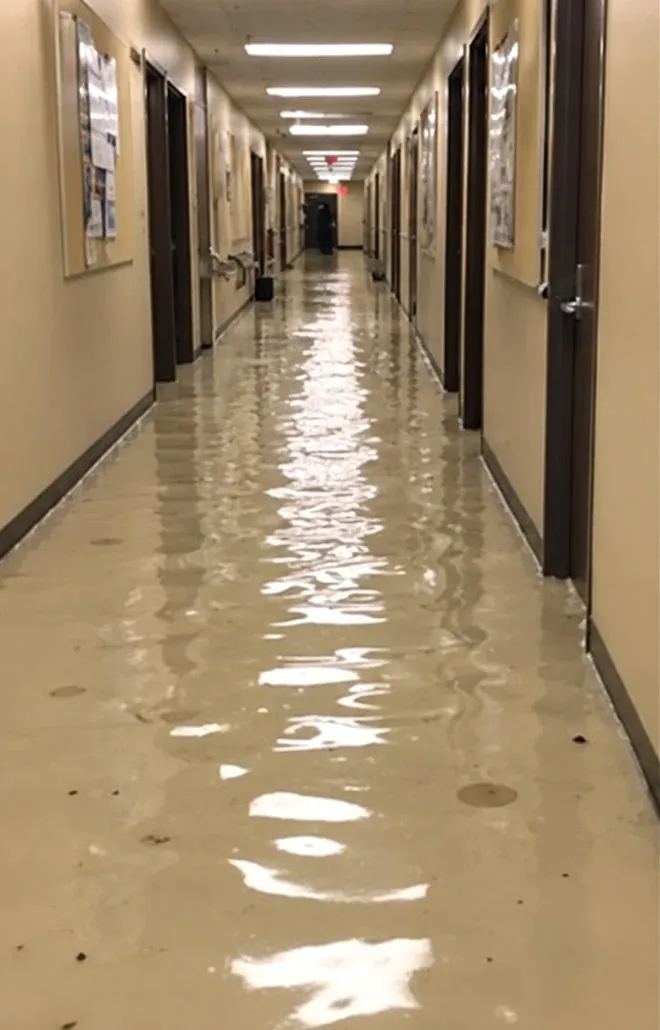
Fixing the leak does not dry the ceiling. Wet drywall and insulation stay wet until they are dried or removed.
Not sure what happened yet? Read what to do first when your ceiling leaks. If water also reached floors or walls, see water damage restoration in Scottsdale.
Before anyone opens your ceiling, ask for their ROC number. That is their Arizona contractor license number. Look it up with the Arizona Registrar of Contractors.
Will homeowners insurance pay for ceiling repair?
It depends on your policy and on what caused the leak. Your insurance company decides what your policy covers.
The Insurance Information Institute (Triple-I) lists the perils, or causes of damage, that homeowners policies cover. One is water that leaks or overflows by accident from a plumbing system. Your own policy wording decides.
Triple-I also lists what policies leave out, including damage due to lack of maintenance, mold or infestation.
Cleanup also depends on how dirty the water is. The S500 water damage standard calls heavily contaminated water, such as sewage, Category 3. In 2026, the group behind that standard said rain through the roof is not automatically Category 3.
Report the leak to your insurer or agent and ask how your policy treats it. Nobody can tell you in advance what your insurer will pay, so be wary of anyone who says they can.
Questions people ask

How much does it cost to fix a ceiling with water damage?
It depends on the size of the wet area and the ceiling material. Wet insulation, mold, texture and paint matching all change the price. Ask about pricing when you call.
Who do I call to fix ceiling water damage?
The trade that stops the water comes first: a roofer, an AC technician or a plumber. Then a restoration company dries the area and repairs the ceiling.
Will homeowners insurance pay for ceiling repair?
Your insurance company decides, based on your policy and the cause of the leak. Report it to your insurer or agent early, and keep your photos of the stain and the source.
How long can a ceiling leak before it collapses?
No one can give a safe number of hours or days. If you see sagging, bulging, new cracks or water near a light, stay out from under it and act now.
Can a rooftop AC unit or evaporative cooler cause water damage?
Yes. An EPA cooling checklist says a plugged AC condensate drain can cause water damage in the house. When the indoor unit sits in the attic, that water can show up as a ceiling stain. Evaporative coolers use water too, so have both checked before summer.
Can water damage in a ceiling cause mold?
Yes, if it stays wet, and it can grow on the back of drywall where you cannot see it. Drywall and insulation that stay wet past the EPA's 24 to 48 hour drying window are at risk. More in our guide: can water damage in a ceiling cause mold.
Water damage help near Scottsdale
Each area page covers local storm risks and what to do first when water gets into a home.
 ScottsdaleIndian Bend Wash Greenbelt: 11 miles of flood control.
- Paradise ValleyAbout 4.4 miles from Scottsdale City Hall, with four water providers and many properties on septic.
- North ScottsdaleDC Ranch and Pinnacle Peak Park, about 16 to 21 miles from Scottsdale City Hall.
- Fountain HillsAbout 21 miles from Scottsdale City Hall. 58% of homes here were built from 1980 to 1999.
 Cave CreekFounded in 1870 as a mining and ranching community, about 29 miles from Scottsdale City Hall.
 CarefreeEasy Street and Ho Hum Road, about 27 miles from Scottsdale City Hall.