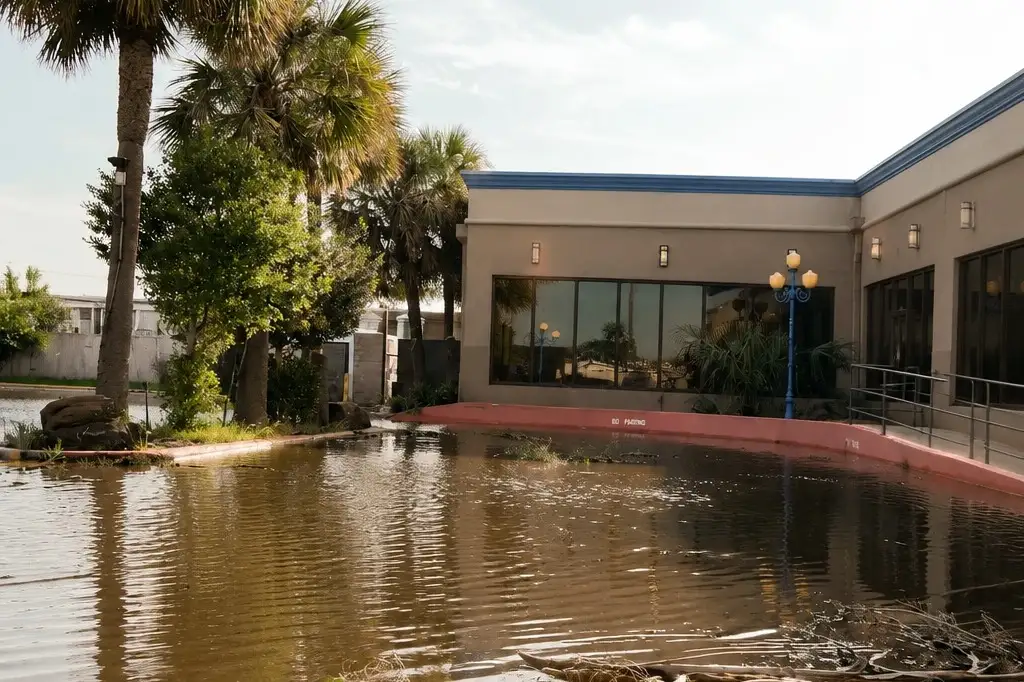
Flood Cleanup in Scottsdale, AZ
Safety comes first in flood cleanup in Scottsdale, then the water and mud come out. Floodwater from outside can be contaminated, so the steps differ from a pipe leak.
House flooded from rain? What to do first
Get everyone away from moving water and washes first. Then, if it is safe, turn off the power, take photos, call your insurer and call for flood cleanup help.
- 01
Stay out of moving water
The National Weather Service says it is especially dangerous to be in a low-lying area or near a wash. It also says to keep children away from washes and storm drains after any rain, even light rain.
- 02
Turn off power only if it is safe
Only touch the breaker panel from a dry spot. If you would have to step in water to reach it, leave it alone.
- 03
Take photos and video
Film the water line on the walls, the wet floors and damaged belongings before anything is moved. Save it for your insurer.
- 04
Move what you can to a dry spot
If it is safe to walk in, lift rugs, papers and photos off the floor. Wear rubber boots and gloves.
- 05
Call your insurer
Let your insurer know about the flood and ask what your policy covers. Your adjuster can explain your coverage.
- 06
Call for flood cleanup help
The sooner drying starts, the better. If the water came from a pipe or appliance, not the storm, see water damage restoration in Scottsdale.
Monsoon flooding in Scottsdale: when and why it happens
The National Weather Service says monsoon season runs from June 15 to September 30. Its Phoenix office lists flash floods and microbursts (sudden, strong bursts of wind) among the common hazards.
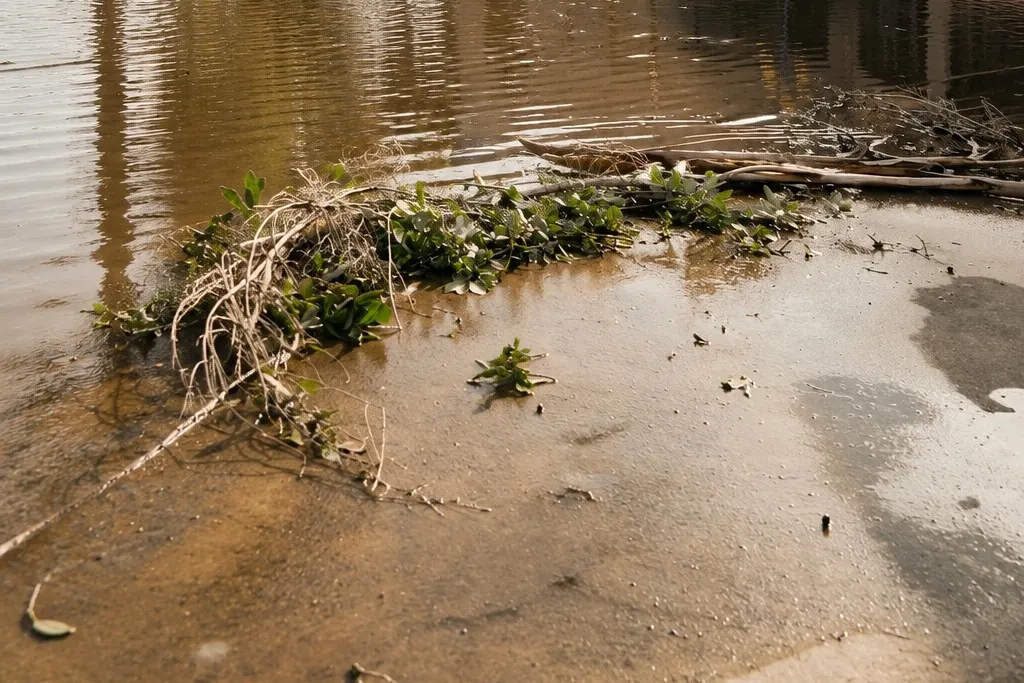
Storm rain is uneven. The Flood Control District of Maricopa County tracked one example in 2025.
Over September 18 and 19, 1 to 2 inches fell around Cave Creek and North Scottsdale. Phoenix Sky Harbor recorded 0.23 inches.
Late storms count too. The district says 83% of the 2025 monsoon rain on its gauge network fell in September.
Local features shape where storm water goes:
- Washes. These dry desert channels can fill with water in a storm. North and east of the CAP canal, Scottsdale's Environmentally Sensitive Lands Overlay (ESL) covers 134 square miles. These zoning rules aim to keep washes natural where practical.
- Caliche. This is soil cemented together by calcium carbonate. The University of Arizona Cooperative Extension says hard caliche layers restrict water movement. Water can sit on top instead of soaking in.
- Indian Bend Wash. The Indian Bend Wash Greenbelt runs 11 miles through Scottsdale. The city calls it a flood control project.
Living farther north or east? Read about Cave Creek flash floods and flooding in Fountain Hills.
Is floodwater dangerous? Category 3 water explained
It can be. The industry's water damage standard, called S500, lists rising water from rivers or streams as Category 3. That means grossly contaminated water that can make people sick.
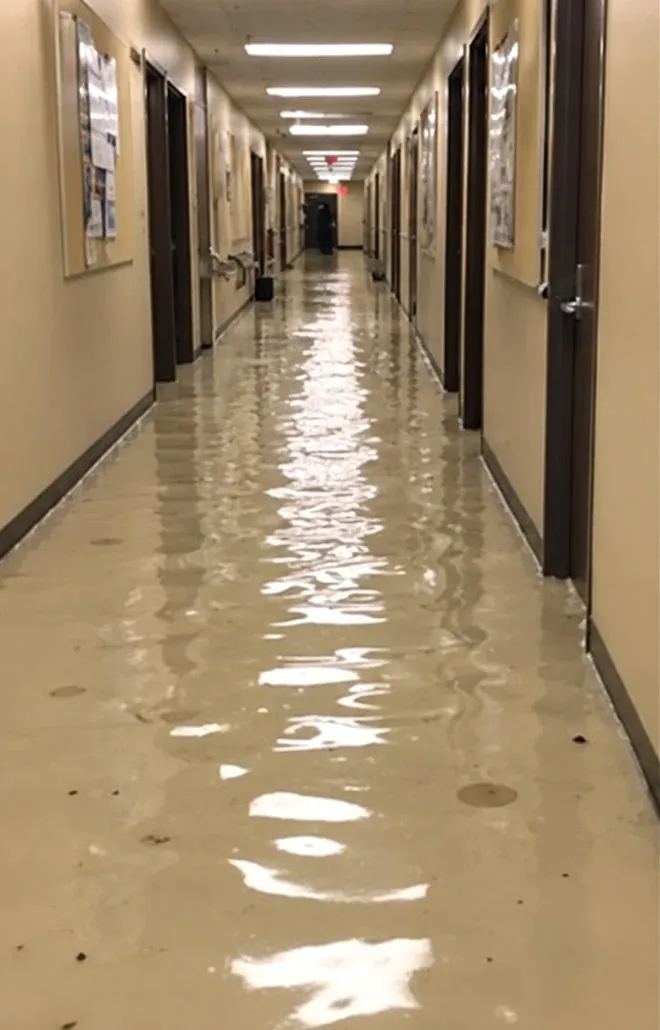
Cleanup crews sort water into categories by how dirty it is. The S500 standard says Category 3 water can carry germs, toxins or other harmful agents. Touching or swallowing it can cause serious reactions.
Not every storm leak is Category 3. In 2026, the committee behind S500 said water from above, like a roof leak, is not automatically Category 3. The same goes for wind-driven rain and other storm water.
Floodwater that rises and flows in from outside is closer to the river and stream example. Until you know, treat it as dirty.
Keep children and pets out of wet rooms. Wear boots and gloves, and wash your hands after.
The EPA's advice for damage from sewage or other contaminated water: call a professional with experience in that type of damage. See contaminated floodwater and sewage cleanup.
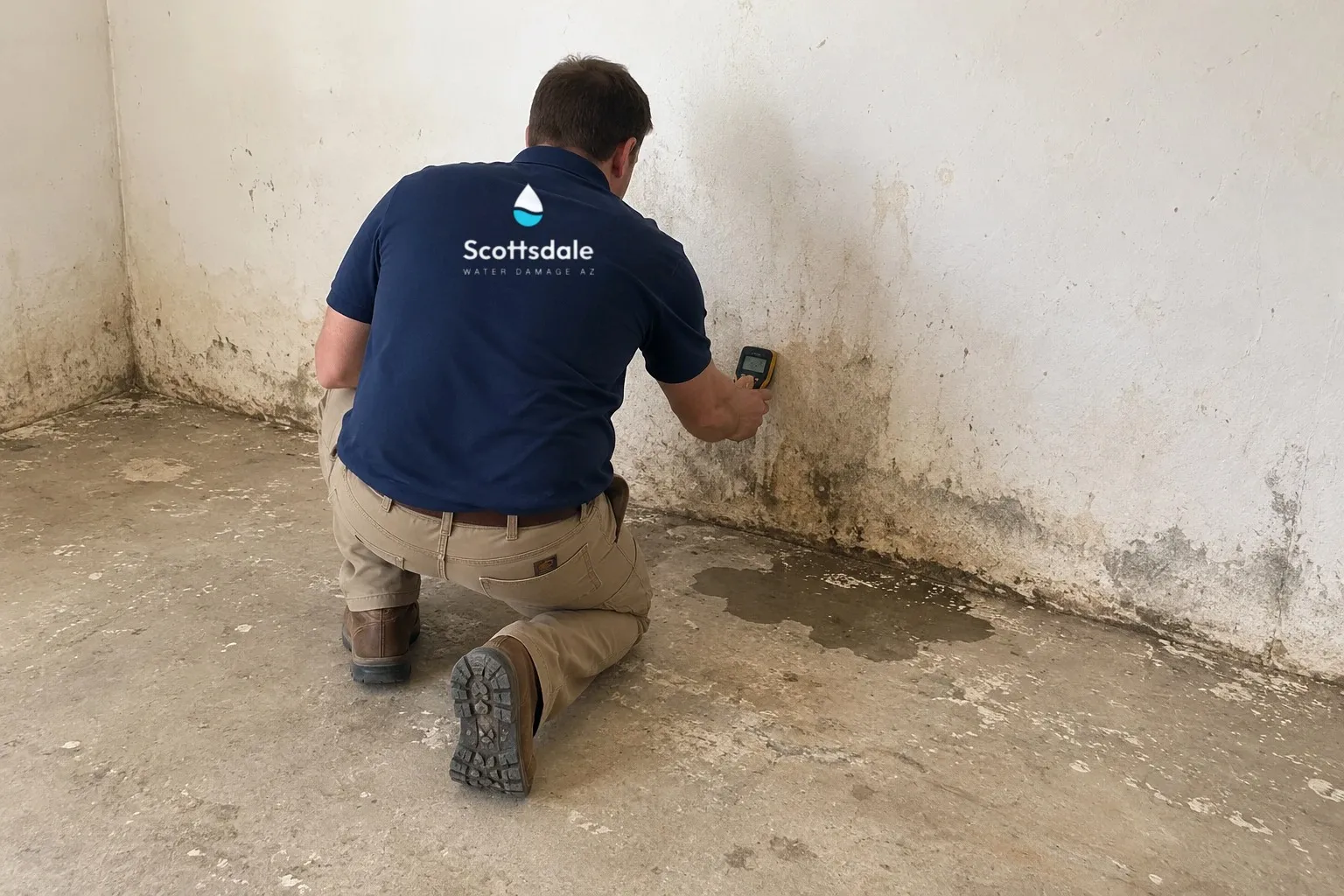
How do you clean up a flooded house?
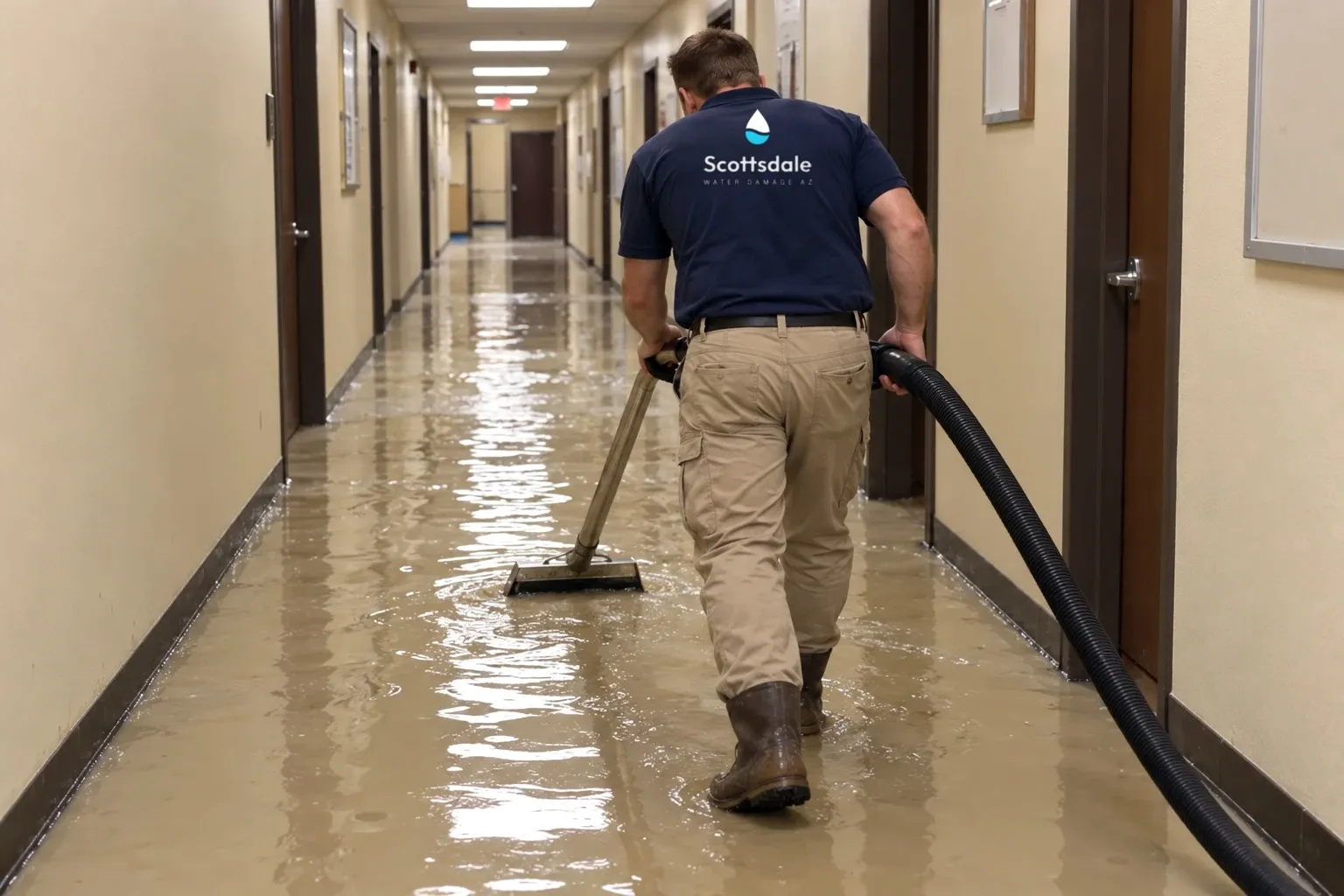
The usual order is: stop new water, remove the water and mud, tear out soaked materials, clean and sanitize, dry, then rebuild. With dirty floodwater, cleaning comes before drying.
Make it safe and stop new water
Work starts once the storm has passed and the area is safe. Any water still coming in gets stopped first.
Pump out the water
Pumps and wet vacuums pull out the standing water. This step is called extraction.
Clear mud and soaked materials
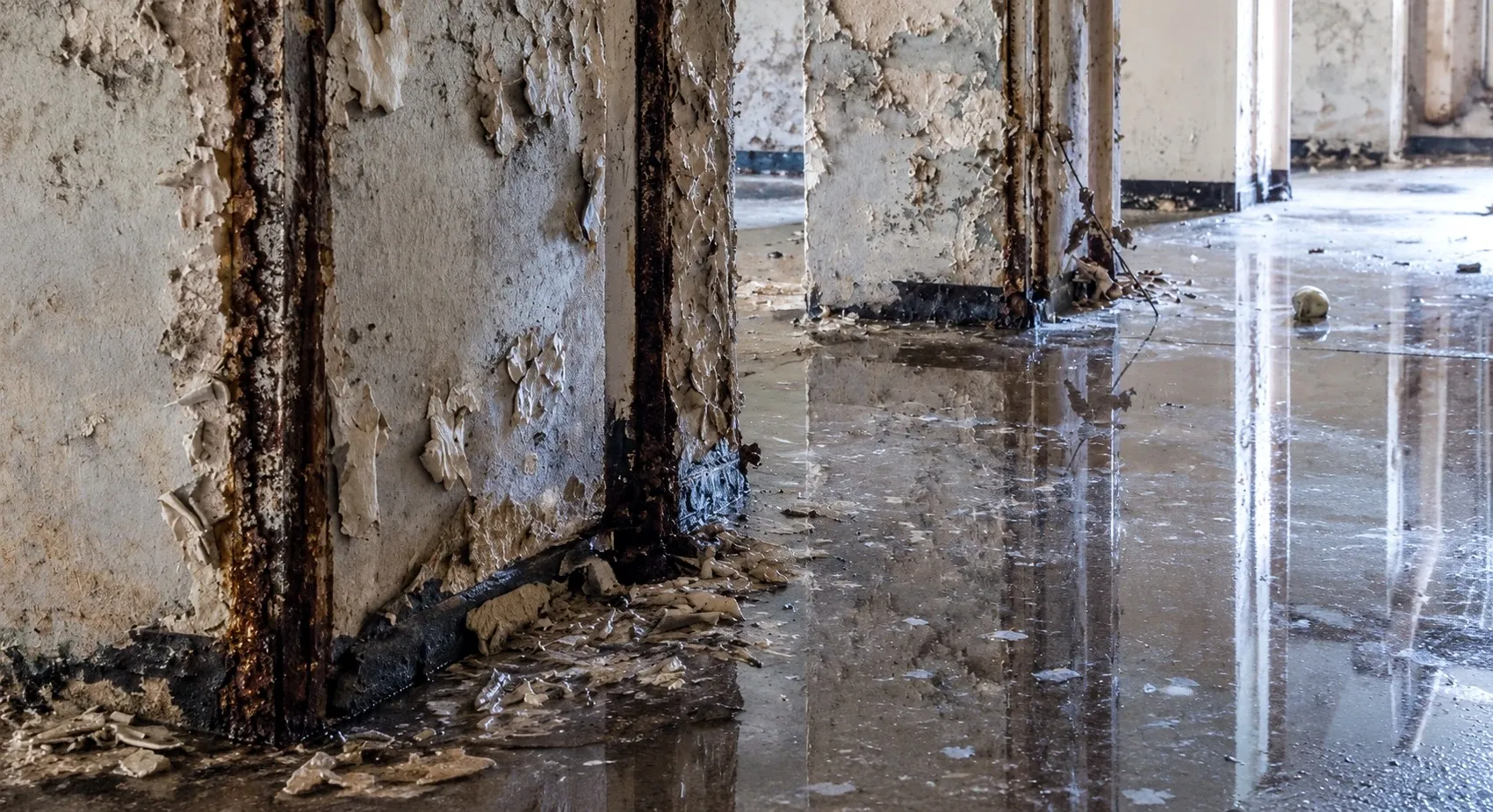
Mud and silt get shoveled out. Porous materials like carpet, pad, drywall and insulation usually come out if dirty water touched them.
Clean and sanitize
Framing and hard surfaces get washed and sanitized. For contaminated water (Category 2 or 3), the S500 standard says this cleanup comes before drying.
Dry and measure
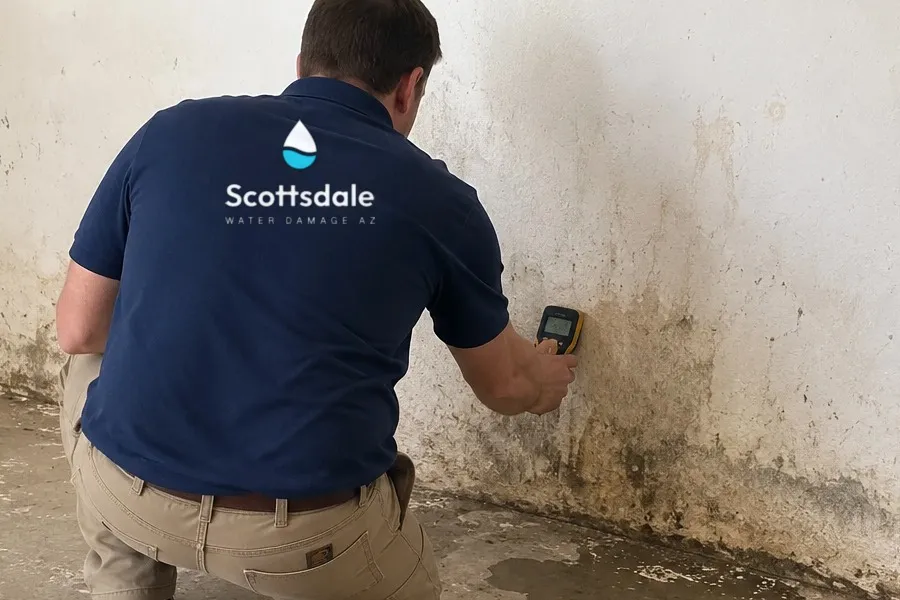
Fans and dehumidifiers dry the structure. Moisture mapping means taking readings room by room to find where water is still hiding.
Repair and rebuild
Once readings show the structure is dry, drywall, baseboards and floors go back in.
How long does it take to clean up after a flood?
It depends on how deep the water got, what it soaked and how dirty it was. Drying runs on a short deadline: 24 to 48 hours to prevent mold, per the EPA.
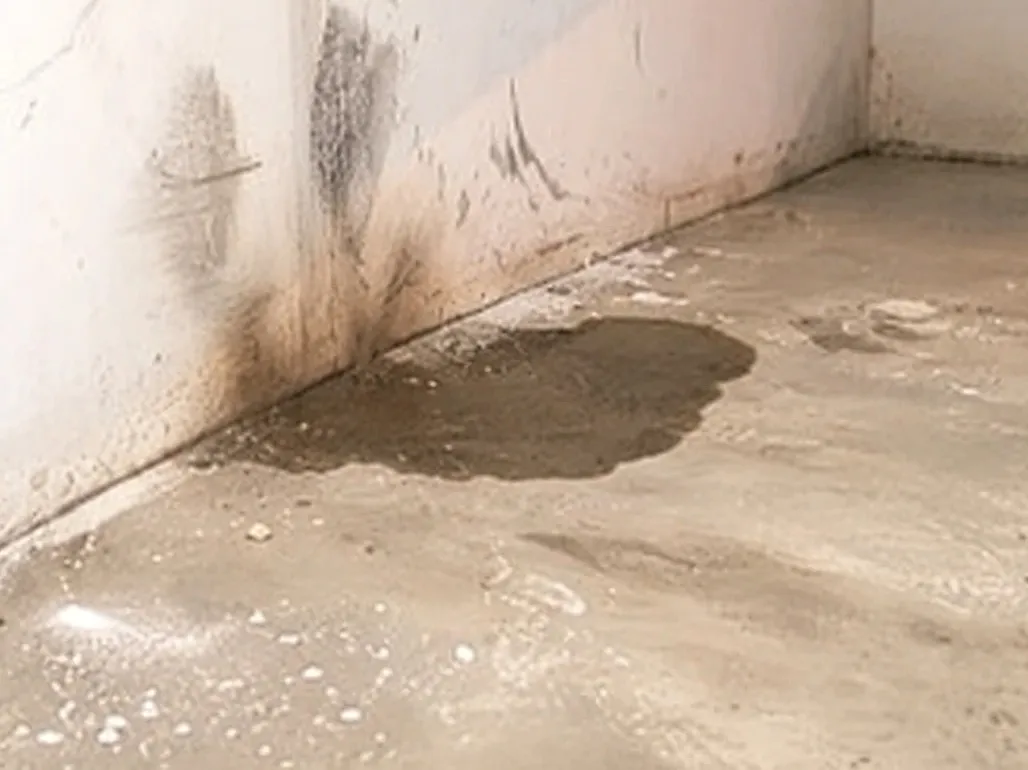
There is no single timeline. The job takes longer with:
- Deeper water, or water that sat longer
- More wet materials that have to come out
- Contaminated water
- Mud and silt
- More rebuild work
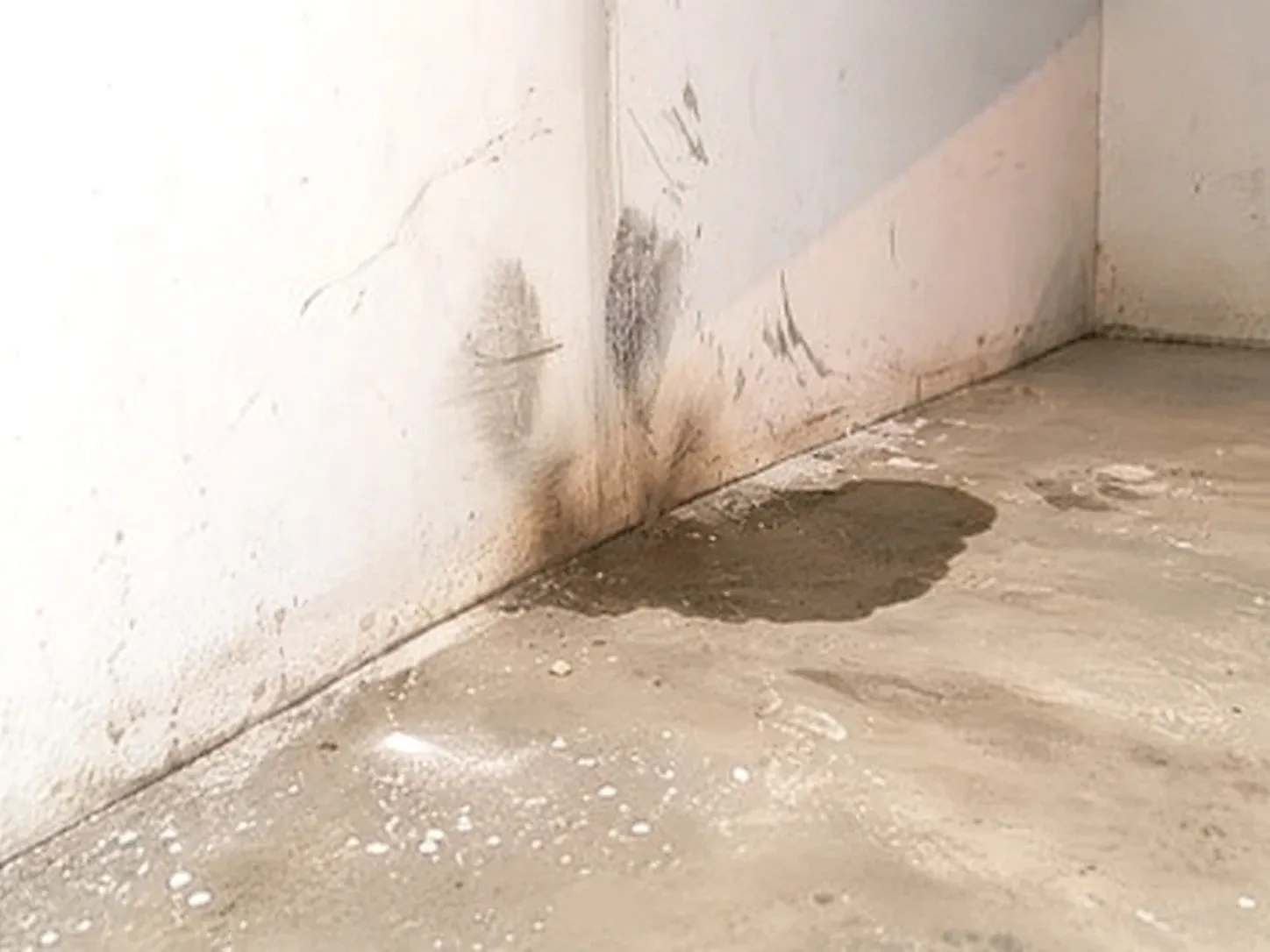
The drying clock still matters. Materials that stay wet longer than that can grow mold. If you already see spots or smell something musty, read about mold after a flood.
Ask anyone working on your home how they will know it is dry before walls get closed up.
Does homeowners insurance cover flood damage?
Usually not. FEMA's FloodSmart program says most homeowners and renters insurance policies do not cover flood damage.
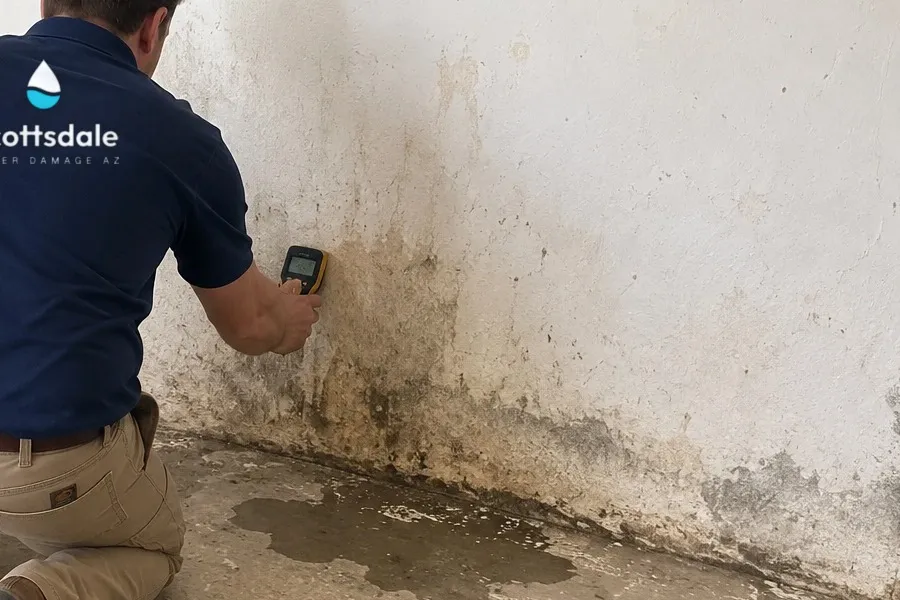
Triple-I (the Insurance Information Institute) says flood damage is excluded under standard homeowners and renters policies. If you have a separate flood policy, such as one through the National Flood Insurance Program (NFIP), check it too.
FEMA says just 1 inch of floodwater can cause roughly $25,000 of damage. Costs vary by location.
Triple-I also notes:
- A typical homeowners policy does not cover sewer backups. Flood insurance does not either.
- Its list of covered perils (causes of damage) includes water that accidentally leaks or overflows from a plumbing system. Your policy wording decides.
Report the flood to your insurer or agent and ask what your policy says. Keep your photos, videos and receipts together.
Only your insurer decides what it pays. Be wary of anyone who promises a payout.
How much does flood cleanup cost in Scottsdale?
Flood cleanup cost depends on the size of the wet area, how deep and dirty the water was, and the rebuild. No one can give a fair price without seeing the damage.
Here is what moves the price:
- Size: how many rooms the water reached
- Depth: a film of water on tile is a smaller job than water up the walls
- Category: contaminated water means more tear-out and cleaning
- Mud and silt: all of it has to come out
- Rebuild: drywall, baseboards and flooring going back in
Ask for a written estimate before work starts, and ask what could change it. Before you sign, look up the contractor's license with the Arizona Registrar of Contractors (ROC).
Questions people ask

What is the safest way to clean up a flooded house?
Safety first: stay out of moving water, and only turn off the power from a dry spot. Then the water, mud and soaked materials come out. With dirty floodwater, cleaning comes before drying, and rebuilding comes last.
How long does it take to clean up after a flood?
It depends on the water depth, what got wet and how dirty the water was. Mud and dirty water come out first, then drying starts. More tear-out and rebuild work add time.
Does homeowners insurance cover flood damage?
Most homeowners insurance does not cover flood damage, according to FEMA's FloodSmart program. Triple-I says flood is excluded under standard homeowners and renters policies. If you have a separate flood policy, call that insurer too.
How much does flood cleanup cost?
It depends on the size of the wet area, the water depth and how dirty it was. The rebuild matters too. Get a written estimate once someone has seen the damage.
Who do I call for flood damage?
To file a claim, call your insurer or agent first. Then call for help with flood cleanup. If a water main or meter is leaking, call your water provider.
Can a flooded home be salvaged?
Often, yes. The slab, framing and hard surfaces can usually be cleaned and dried. Porous materials like carpet, pad and drywall generally come out if contaminated floodwater touched them.
Water damage help near Scottsdale
Each area page covers local storm risks and what to do first when water gets into a home.
 ScottsdaleIndian Bend Wash Greenbelt: 11 miles of flood control.
- Paradise ValleyAbout 4.4 miles from Scottsdale City Hall, with four water providers and many properties on septic.
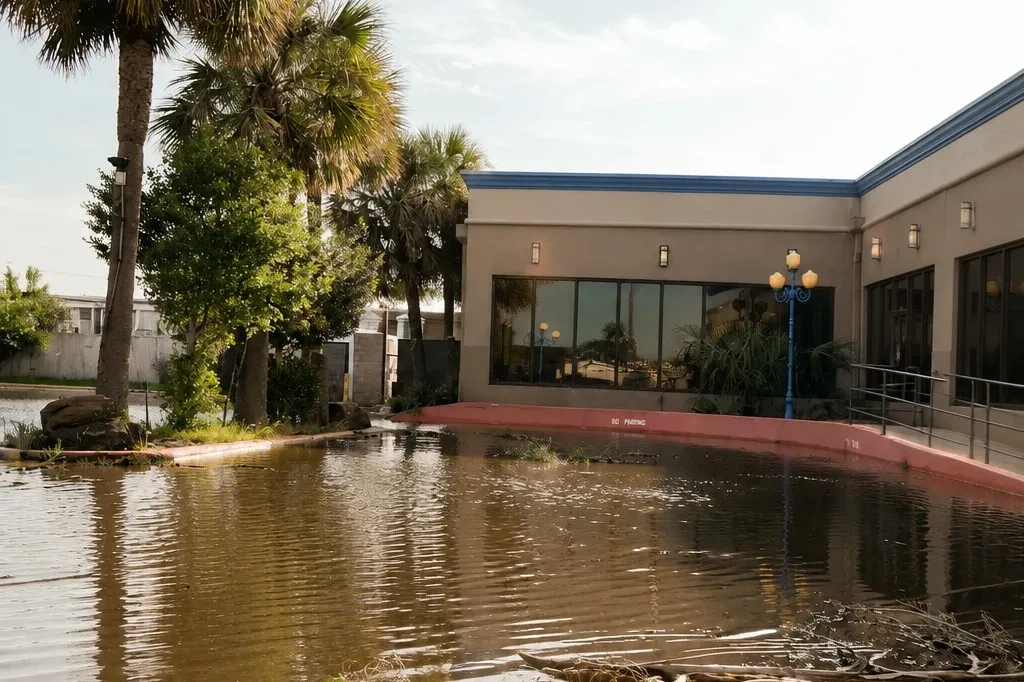 North ScottsdaleDC Ranch and Pinnacle Peak Park, about 16 to 21 miles from Scottsdale City Hall.
 Fountain HillsAbout 21 miles from Scottsdale City Hall. 58% of homes here were built from 1980 to 1999.
 Cave CreekFounded in 1870 as a mining and ranching community, about 29 miles from Scottsdale City Hall.
 CarefreeEasy Street and Ho Hum Road, about 27 miles from Scottsdale City Hall.