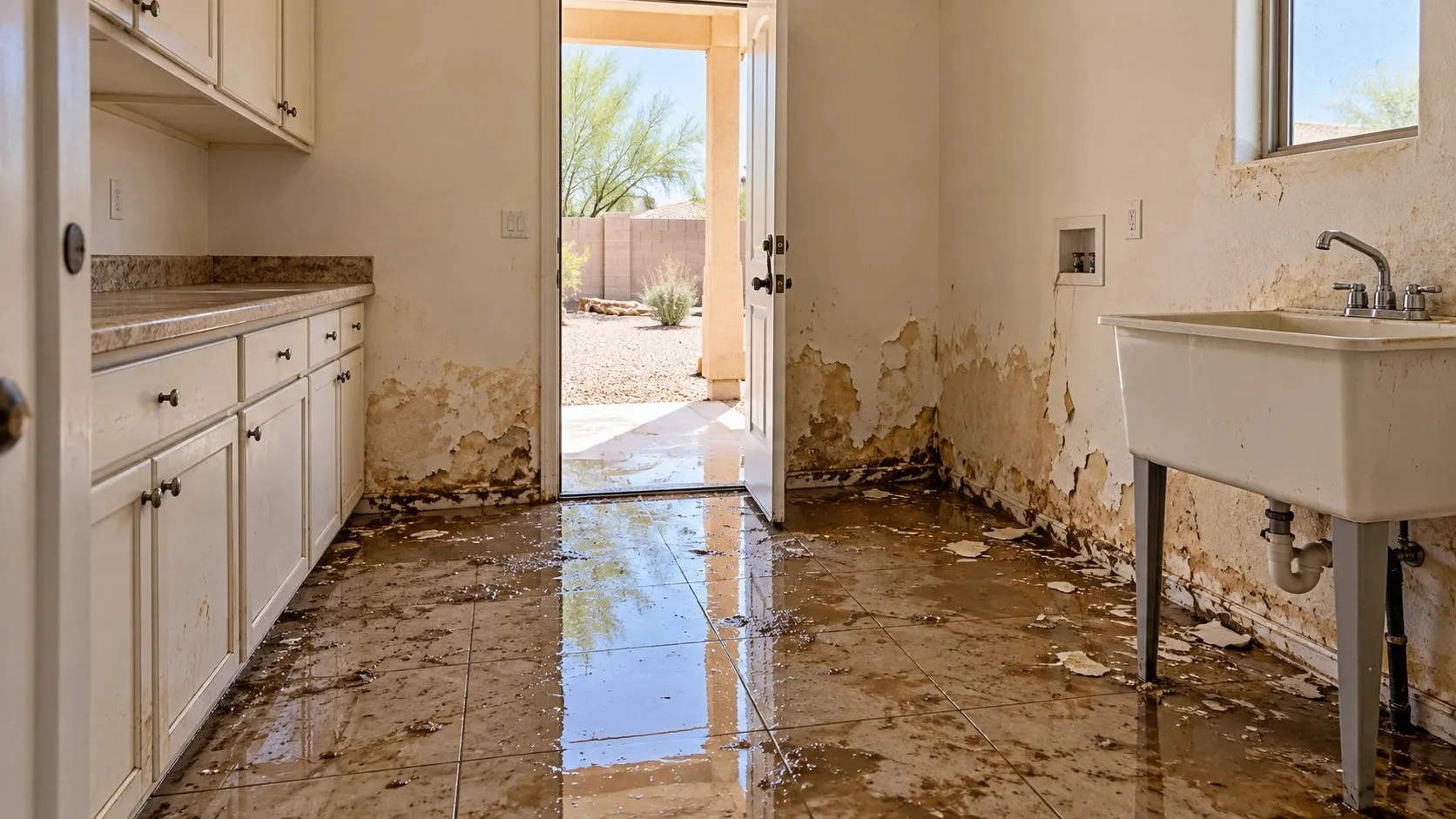
Slab Leak and Burst Pipe Water Damage in Scottsdale, AZ
Slab leak water damage in Scottsdale needs two fixes: the pipe, then everything the water soaked. Here is how to spot a leak, what to do first and who to call.
Slab leak or burst pipe? What to do right now
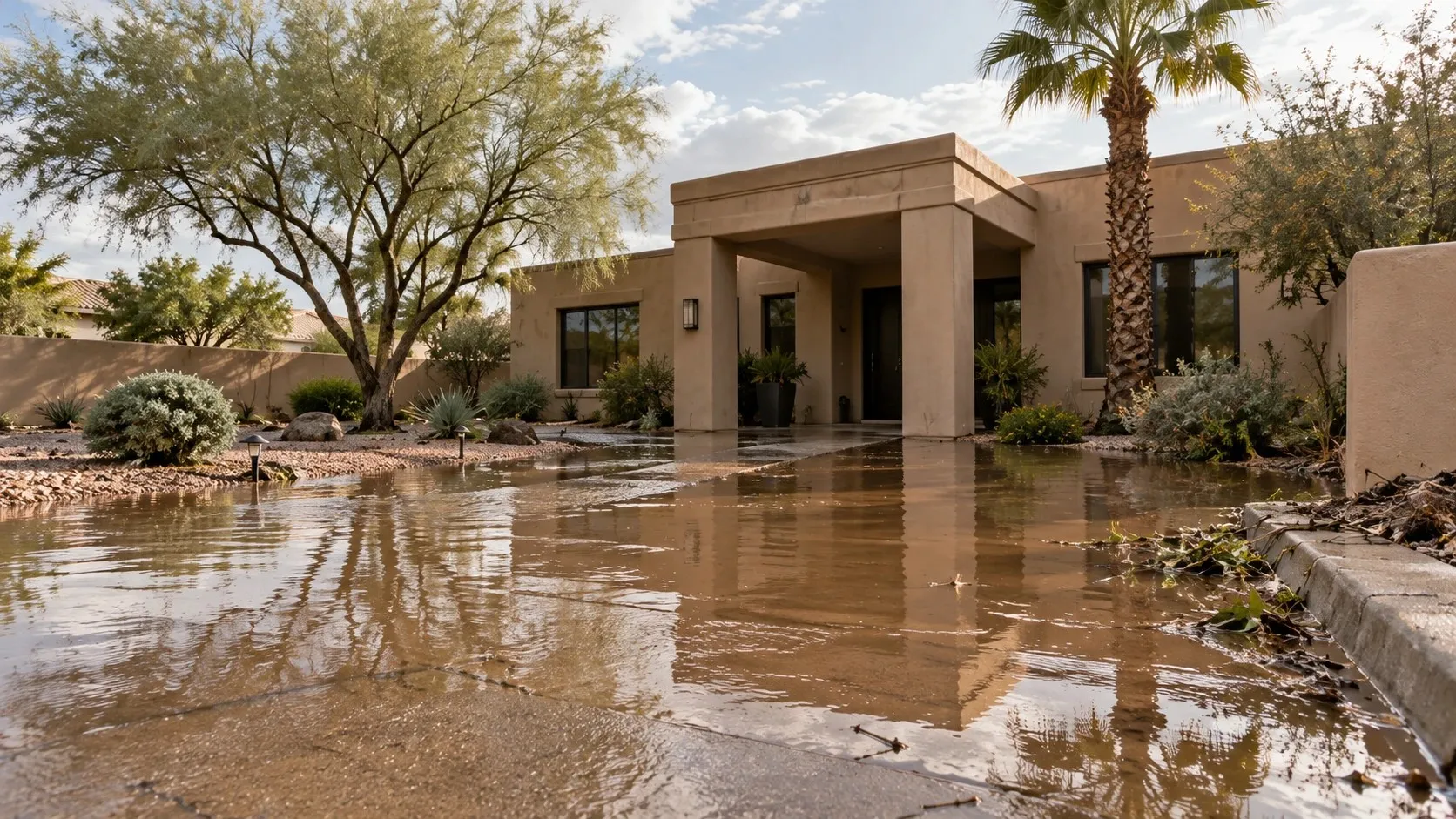
Stop the water first: shut the main valve. Then cut power to wet rooms if it is safe, take photos and call.
- 01
Shut off the main water valve
This stops new water. For one leaking sink or toilet, its own small valve may be enough.
- 02
Cut power to wet rooms if safe
Use the breaker panel. Never stand in water to reach it.
- 03
Take photos before you move anything
Photograph the water and anything damaged. Your insurer may ask for the photos.
- 04
Leak at the meter? Call the city
Scottsdale city code makes owners responsible for leaks on their side of the meter. If the problem is at the meter itself, call City of Scottsdale Water Services at 480-312-5650.
- 05
Call for help with the water damage
Call now. Say where the water came from and which rooms got wet.
What is a slab leak, and what happens if you have one?
A slab leak is a leaking water line under or inside the concrete slab your house sits on. The water can soak flooring, baseboards and lower walls from below, out of sight.
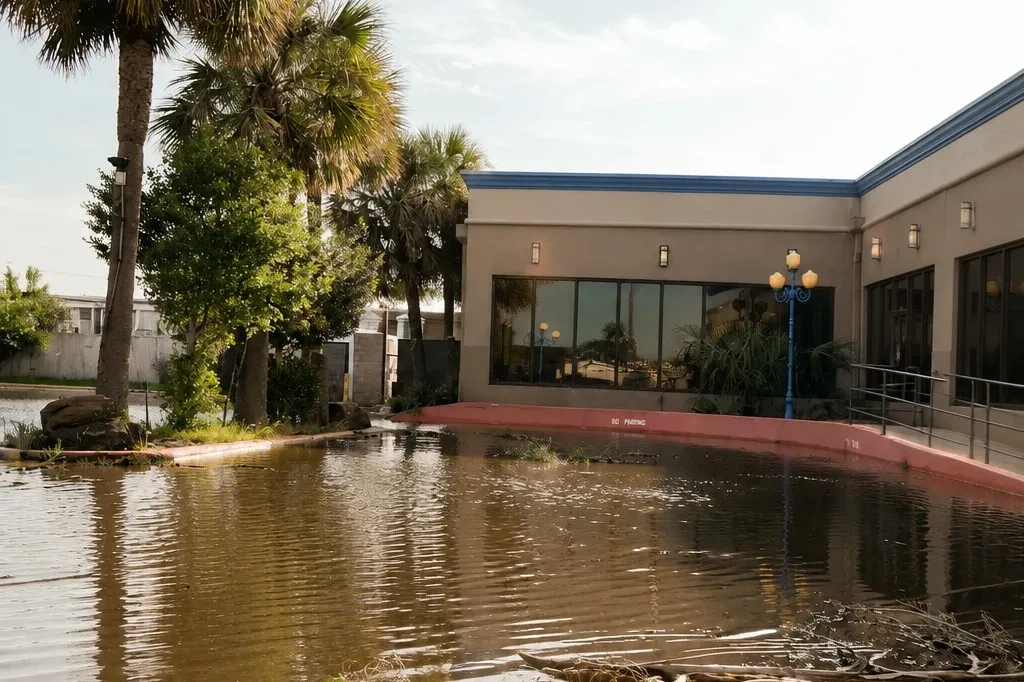
A slab leak in a house can run for a while before anyone sees it. By then, water may have spread under the flooring and into the bottom of the walls.
That hidden water is hard to dry within the EPA's 24 to 48 hour window for preventing mold. If the leak may have run for a long time, read about mold remediation and testing.
Desert soil plays a part. The Arizona Geological Survey says some clay soils swell when wet and shrink in summer heat. It lists cracked floor slabs and ruptured pipelines among the damage these problem soils can cause.
Its advice: water less around your home's foundation, and keep plants away from it.
Signs of a leak in your concrete slab or walls
Watch for damp or warm floor spots, lifting floors, hidden running water, bubbling paint and a spike in your water bill.
Warm or damp spots on the floor
Warm or damp patches on the floor, with no spill nearby, can point to a leak below the slab.
Floors that lift or baseboards that swell
Floors that cup or lift and swollen baseboards can mean water is coming from behind or underneath.
Running water you cannot find
Hear water with every tap off? A pipe may be leaking under the floor or inside a wall.
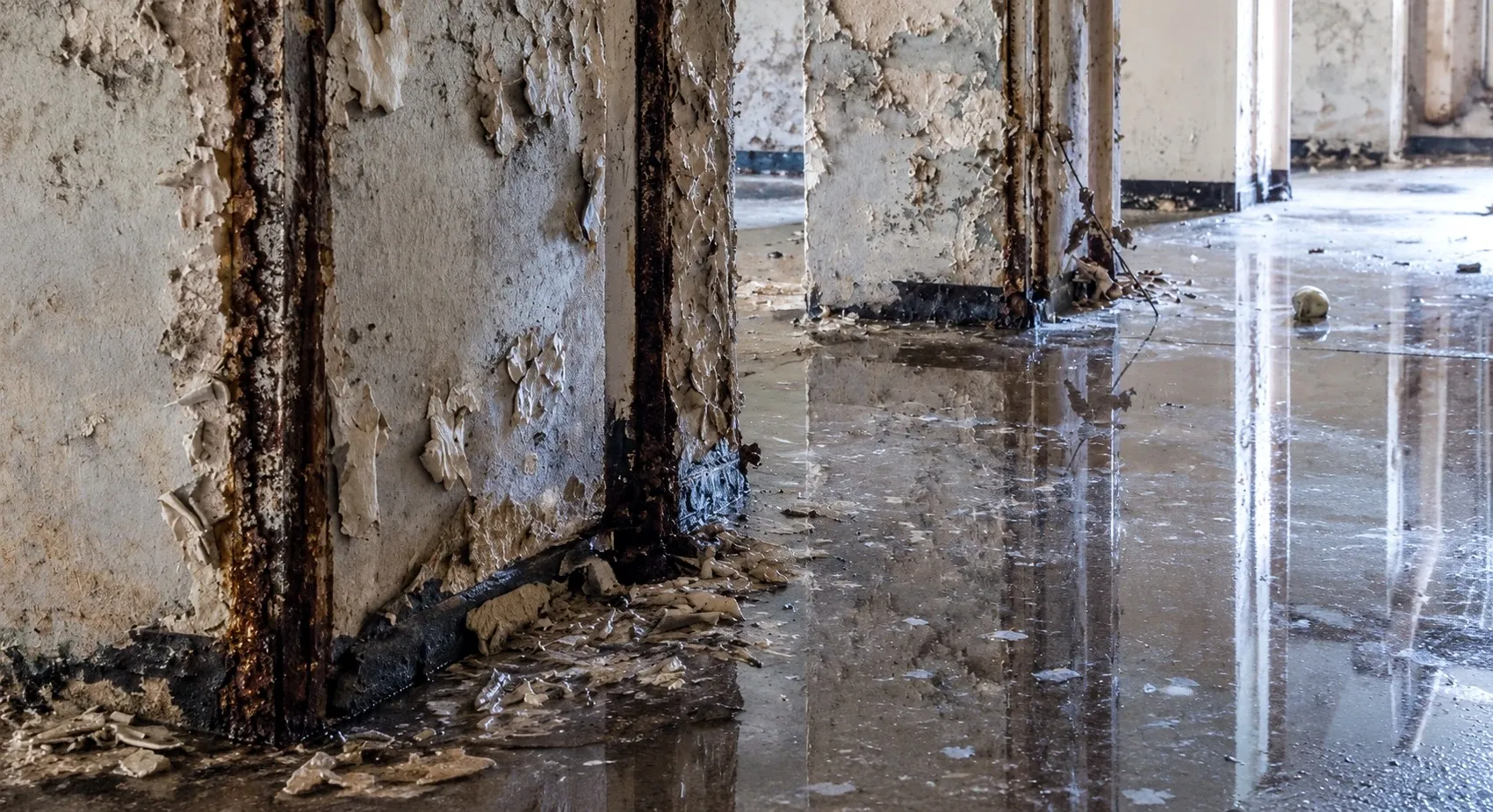
Bubbling paint or a ceiling stain
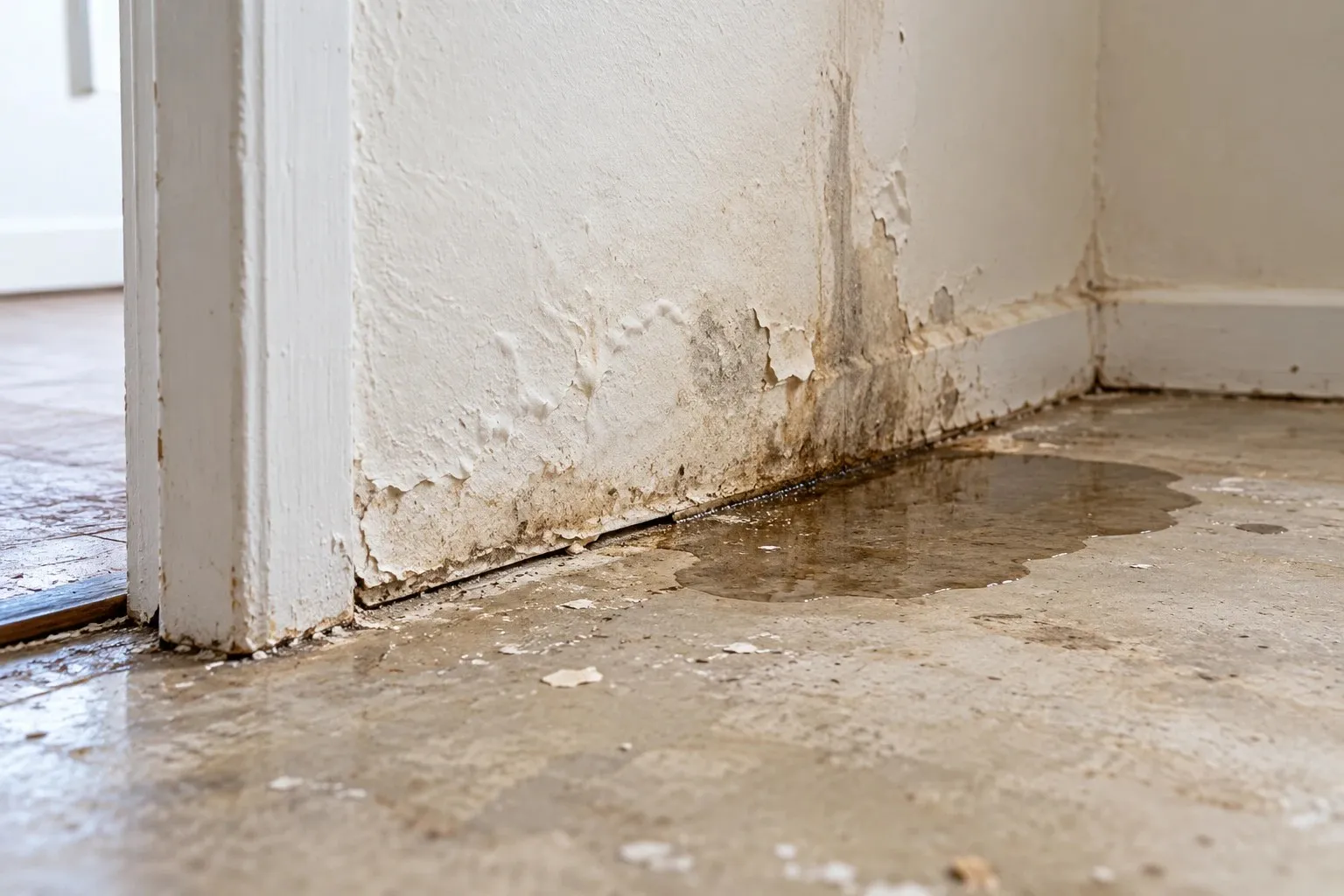
A burst pipe in a wall can make paint bubble and wallpaper peel. A stain below a bathroom can mean a pipe above is leaking. See what to do when your ceiling leaks.
A sudden spike in your water bill
The City of Scottsdale lists this as a leak sign. The leak could be indoors or out in the yard. Scottsdale Water customers with hourly water use can get leak alerts through the city's free WaterSmart portal.
Is a burst pipe an emergency?
Yes, because wet walls and floors are on a clock. The EPA says to dry water-damaged areas and items within 24 to 48 hours to prevent mold growth.
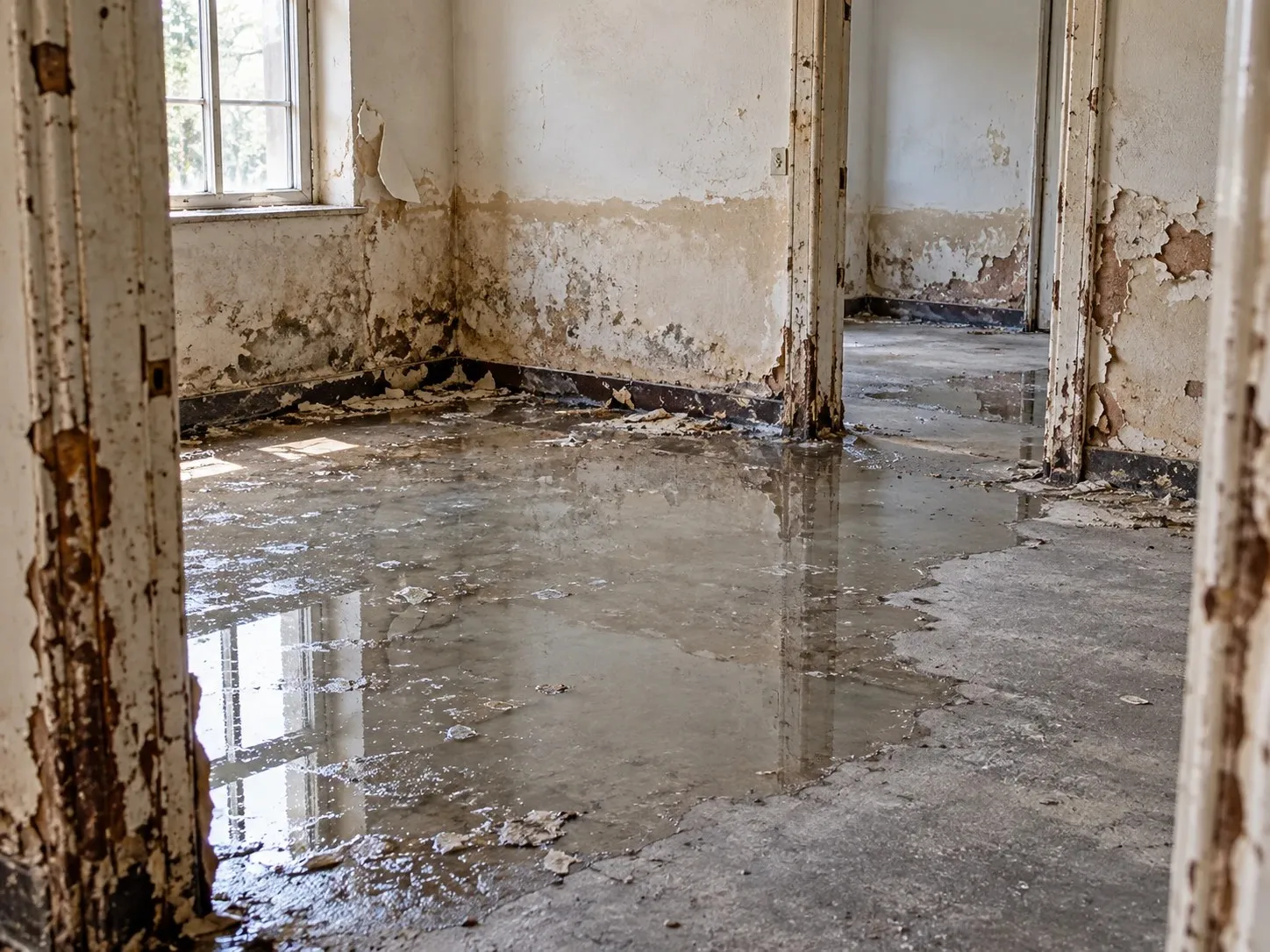
Water keeps soaking into walls, cabinets and floors until it is shut off. Then the wet materials still need drying.
Small supply lines can cause big losses. The Insurance Institute for Business & Home Safety (IBHS) looked at water damage from washing machines. A burst supply line caused half of those incidents, at more than $6,000 each on average.
Older homes raise the odds. IBHS also found that homes 30 years old were 3 times as likely to have a plumbing supply or drainage problem. Census data shows the median Scottsdale home was built in 1991.
Nearby, Census data shows 42% of Paradise Valley homes were built before 1980. In Fountain Hills, 58% were built between 1980 and 1999.
See the pages on water damage in Paradise Valley and Fountain Hills water damage.
Water leaking from the water heater? What to check first
Close the cold water valve on the pipe that feeds the heater. Turn off its power or gas if it is safe, then call.
A water heater leak can soak a garage, closet or laundry room floor. Hard water is part of the story here.
The city's 2026 Water Quality Report puts Scottsdale Water at about 13 to 17 grains per gallon. That is above the line the USGS uses for "very hard" water.
According to the USGS, heating hard water leaves mineral scale inside the heater. Scale can shorten the life of equipment.
- An IBHS study found leak or burst risk rises sharply once a water heater is 5 years old.
- It found 3 out of 4 water heaters fail before age 12.
- It suggests flushing the tank every 6 months, since sediment builds up faster with hard water.
- The City of Scottsdale suggests setting the heater to 120 to 125 degrees.
A plumber fixes or replaces the heater. If water reached nearby walls or floors, they need drying too.
Plumber first, then dry-out: who to call for each step
A plumber finds and fixes the leak. A water damage restoration company dries what got wet, and a contractor rebuilds what had to come out.
- Stop the water. Shut the main valve.
- Fix the leak. This is a plumber's job. For a slab leak, a leak detection plumber finds the spot first.
- Dry out. A restoration crew removes standing water, takes moisture readings and dries the structure. See how emergency water extraction works.
- Rebuild. Once readings show everything is dry, removed materials get replaced.
You can call about the wet rooms before the plumber is done.
For other leaks and floods, see water damage restoration in Scottsdale.
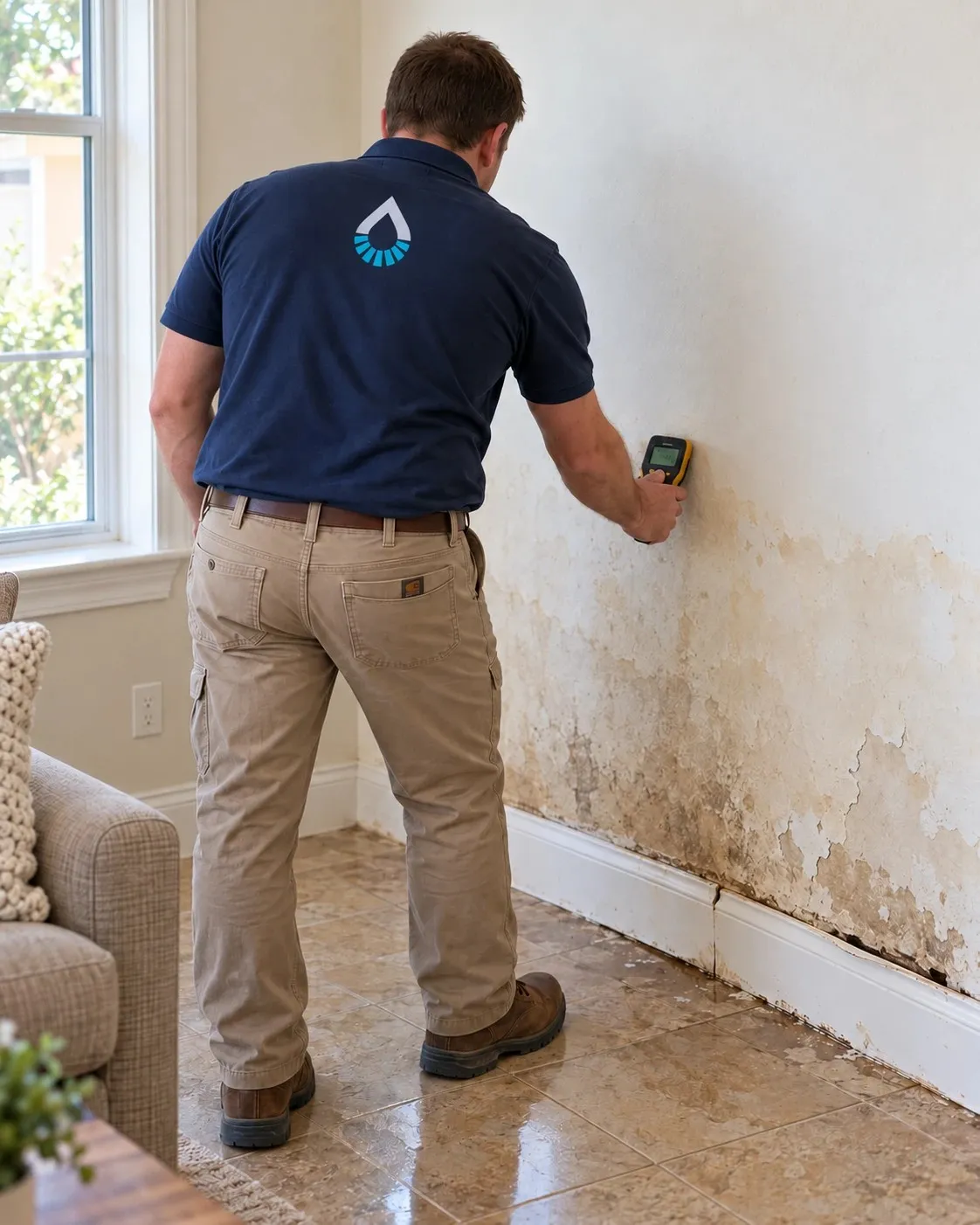
How slab leak and burst pipe cleanup works
The usual order: remove the water, measure how far it spread, take out what cannot be saved, dry the rest, then rebuild. Water from a broken supply line is usually Category 1, meaning clean water.
Remove standing water
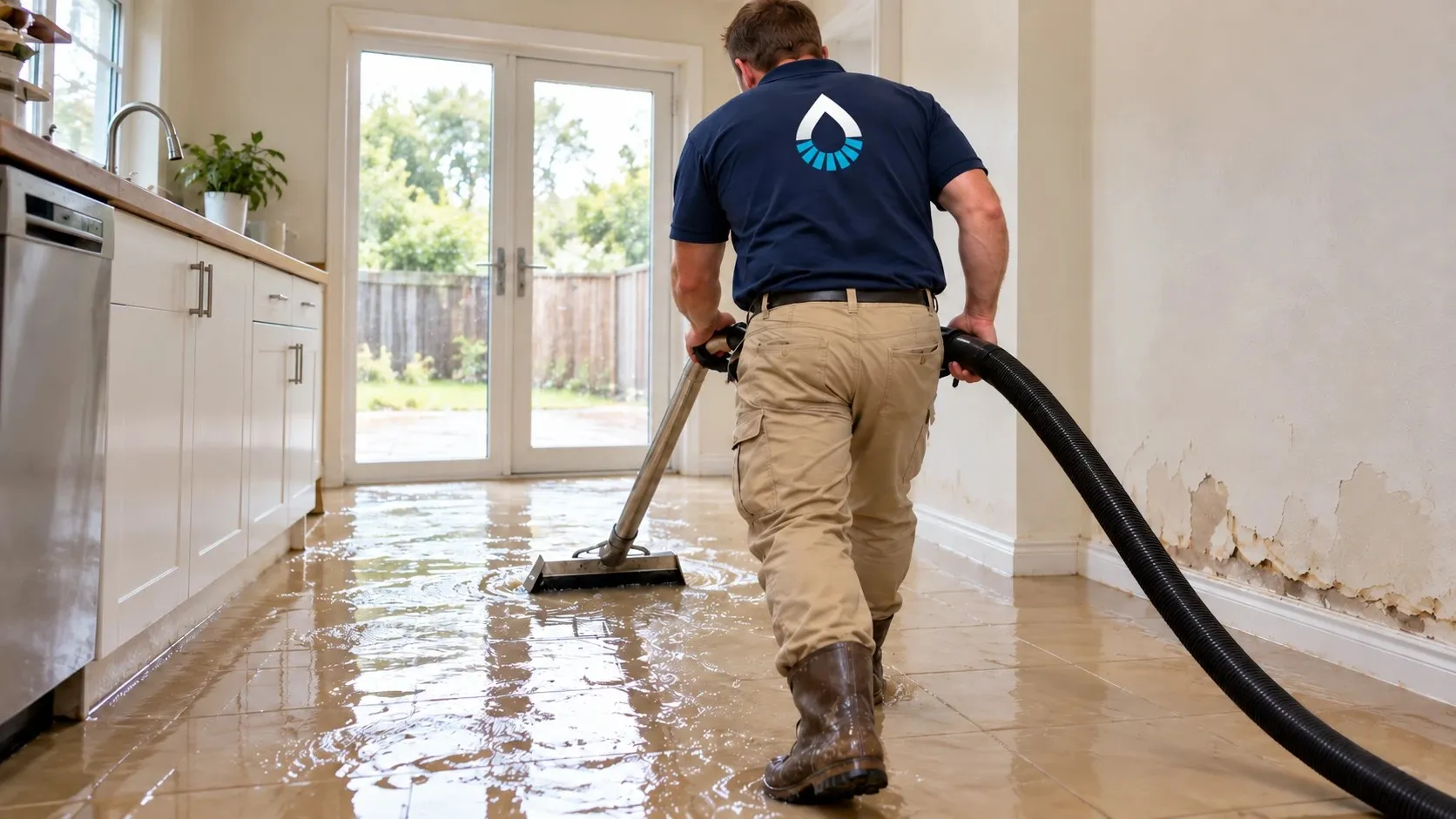
Pumps and extraction vacuums pull water from floors and carpet. Restoration industry guidance says time and temperature can change water's category. In plain words, clean water may not stay clean.
Map the moisture
Moisture mapping means checking walls, floors and cabinets with meters to see how far the water spread.
Remove what cannot be dried
Soaked carpet pad, swollen baseboards and wet insulation may have to come out. Cutting a strip of drywall lets air reach inside the wall.
Dry the structure
Fans and dehumidifiers run until meter readings show the materials are dry, whatever the surface looks like.
Rebuild
Once everything reads dry, removed drywall, baseboards and flooring get replaced.
What does slab leak water damage cost to fix?
There is no single price, because the plumbing repair and the water damage work are separate bills. The water damage side depends on how long the leak ran and how far the water spread.
What moves the price:
- Finding the leak. A slab leak has to be located before it can be fixed.
- The plumbing repair. The plumber prices this part.
- How long it ran. A leak that ran for weeks soaks more than one caught early.
- Flooring. Tile, wood, laminate and carpet each dry and come up differently.
- Walls and cabinets. Wet baseboards, drywall and cabinet bases may have to come out.
- Rebuild. New flooring, drywall and paint come last.
Ask for written estimates for both the plumbing and the water damage work before anything starts.
Does homeowners insurance cover a burst pipe or slab leak?
It depends on your policy, and your insurer decides. Triple-I, the Insurance Information Institute, lists accidental discharge or overflow from plumbing among the causes of damage homeowners policies cover.
Triple-I also says policies do not cover "damage due to lack of maintenance, mold or infestation." So the cause of the leak matters.
- Call your insurer or agent to report the damage and ask what your policy covers.
- Keep your photos and the plumber's invoice. The invoice shows what failed.
No one can promise what your insurer will pay. Be careful with anyone who does.
The blog post does homeowners insurance cover a burst pipe goes into more detail.
Questions people ask
Does homeowners insurance cover water damage from a burst pipe?
Your insurer decides, based on your policy wording. Triple-I lists water that leaks by accident from plumbing among the perils homeowners policies cover. A pipe that failed from lack of maintenance is another matter: Triple-I says policies do not cover that.
Will insurance pay for a slab leak?
That turns on your policy and on why the pipe failed. Tell your insurer or agent as soon as the leak is found, and keep the plumber's invoice.
What happens if you have a water leak under your slab?
Water can spread under the flooring and into the bottom of walls, out of sight. That hidden water is hard to dry within the EPA's 24 to 48 hour window for preventing mold.
My plumber fixed the slab leak. Do I still need a restoration company?
Yes, if flooring, baseboards or walls got wet. The plumber fixes the pipe, but wet materials still need drying. Moisture readings decide when they are dry, not the look of the floor.
How do I know if I have a slab leak?
Watch for warm or damp floor spots, running water with every tap off, and a sudden spike in your water bill. A WaterSmart leak alert is another clue. A leak detection plumber can confirm it.
What is the average cost to fix a slab leak?
There is no fair average without seeing the job. The plumbing repair is one bill, and drying and rebuilding what got wet is another. How long the leak ran, how far the water spread and your flooring all change the total.
What happens if a pipe leaks while I am away for the summer?
Before you leave, shut the main valve and set the water heater to vacation mode or turn it off. Check that the AC drain line is clear. IBHS says washer makers recommend replacing hoses every 5 years. Scottsdale Water customers with hourly water use can get WaterSmart leak alerts.
Water damage help near Scottsdale
Each area page covers local storm risks and what to do first when water gets into a home.
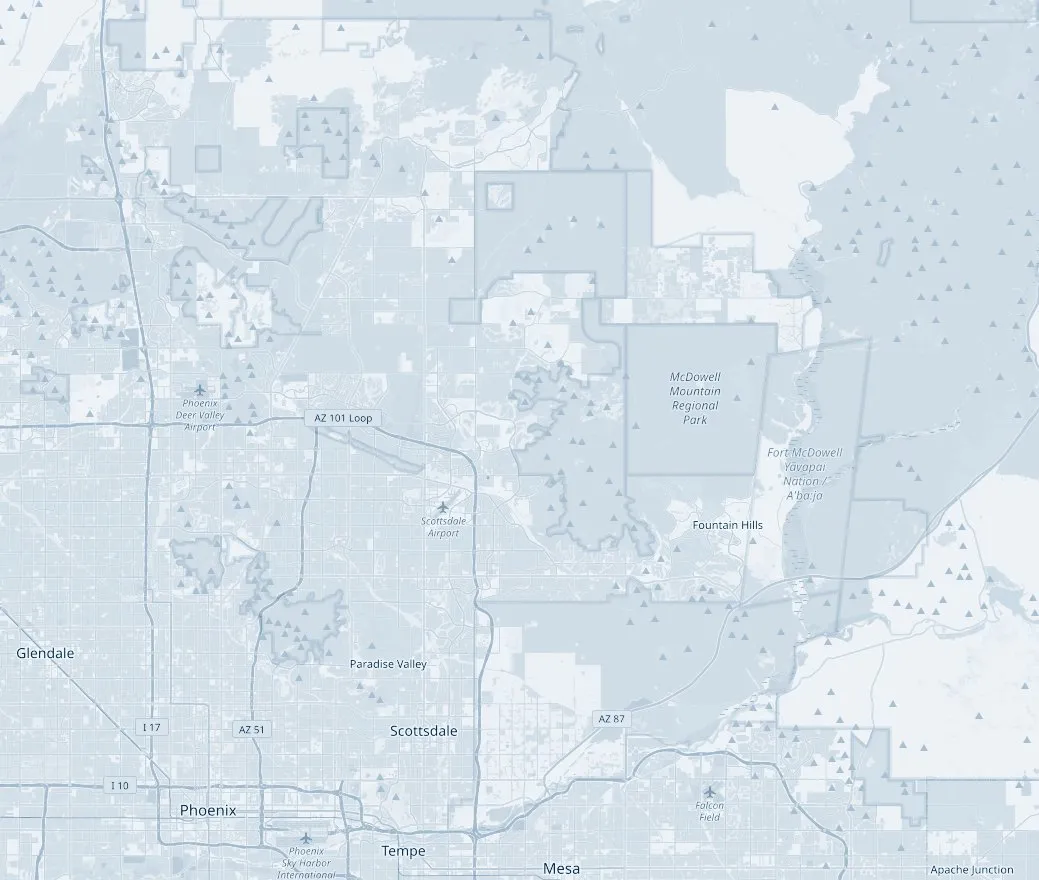 ScottsdaleParadise ValleyNorth ScottsdaleFountain HillsCave CreekCarefree
- ScottsdaleIndian Bend Wash Greenbelt: 11 miles of flood control.
- Paradise ValleyAbout 4.4 miles from Scottsdale City Hall, with four water providers and many properties on septic.
- North ScottsdaleDC Ranch and Pinnacle Peak Park, about 16 to 21 miles from Scottsdale City Hall.
- Fountain HillsAbout 21 miles from Scottsdale City Hall. 58% of homes here were built from 1980 to 1999.
- Cave CreekFounded in 1870 as a mining and ranching community, about 29 miles from Scottsdale City Hall.
- CarefreeEasy Street and Ho Hum Road, about 27 miles from Scottsdale City Hall.