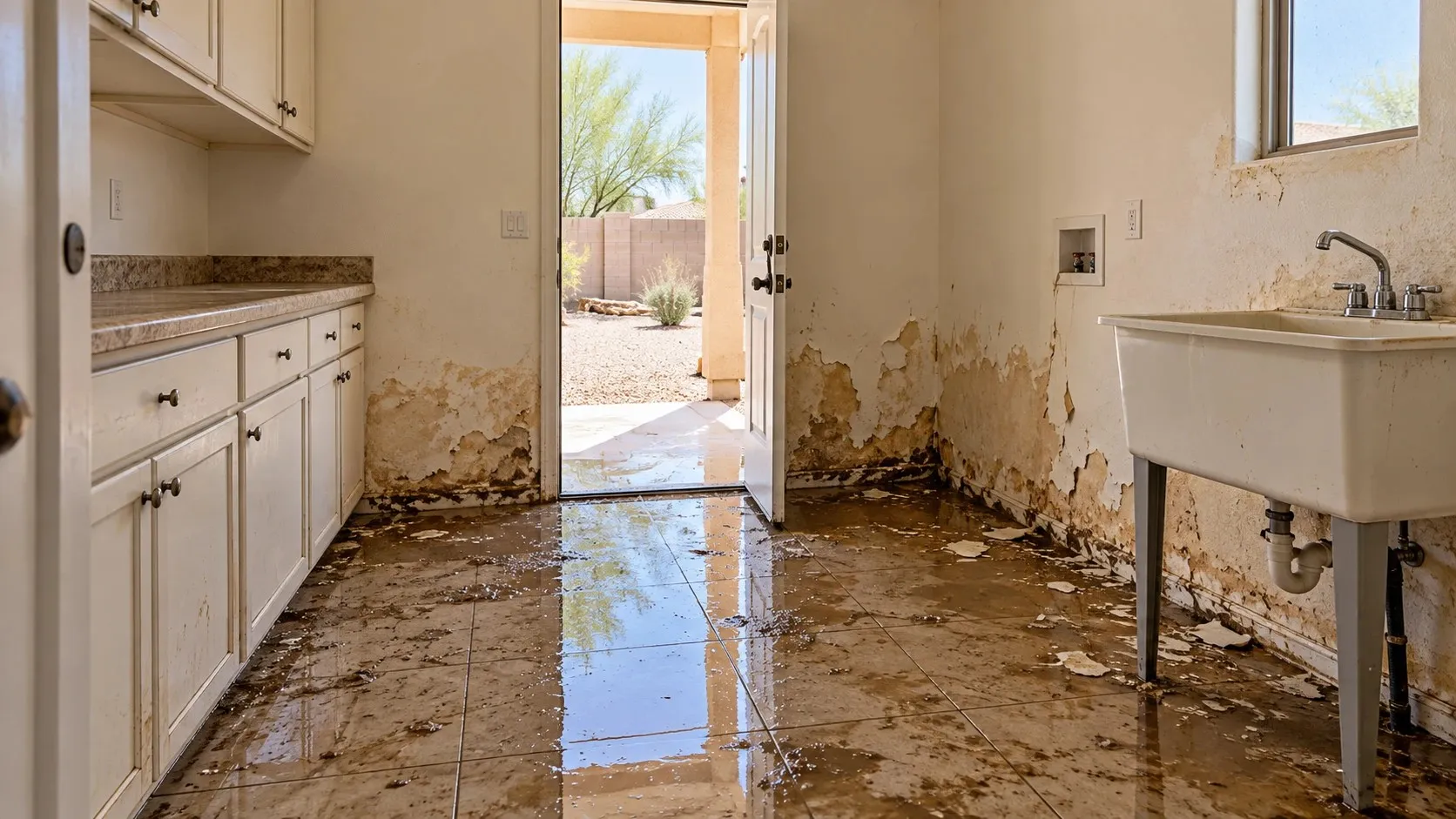
Scottsdale Water Damage Pricing
Restoration is priced by the job, not by a rate card, because the size of the wet area and the number of drying days change everything. Here are the ranges Phoenix-area companies publish, what drives them, and what insurance may pay.
Price guide by type of job
Water damage restoration: published price ranges
Phoenix-area restoration companies publish ranges from a few hundred dollars for a small clean water job to more than $15,000 for a full floor flood with mold. These are market ranges, not a quote.
What the published ranges say:
- Small clean water jobs often run a few hundred dollars, according to one Phoenix-area water damage company.
- A small kitchen leak might run $2,000 to $5,000, according to a Valley restoration company.
- Water damage restoration in Phoenix typically ranges from $1,500 to $10,000 or more, depending on severity, according to another.
- A full floor flood with mold remediation can exceed $15,000.
For national context, the Insurance Information Institute (Triple-I) says water damage and freezing claims averaged $15,400 from 2019 to 2023. That is an insurance claim average, not a price for your home.
Your number depends on the size of the wet area, the category of the water, how long it sat and how many days the equipment runs. The actual price is set after an on-site look at the damage. More on what moves it: water damage restoration cost in Scottsdale.
Structural drying: how the equipment and days add up
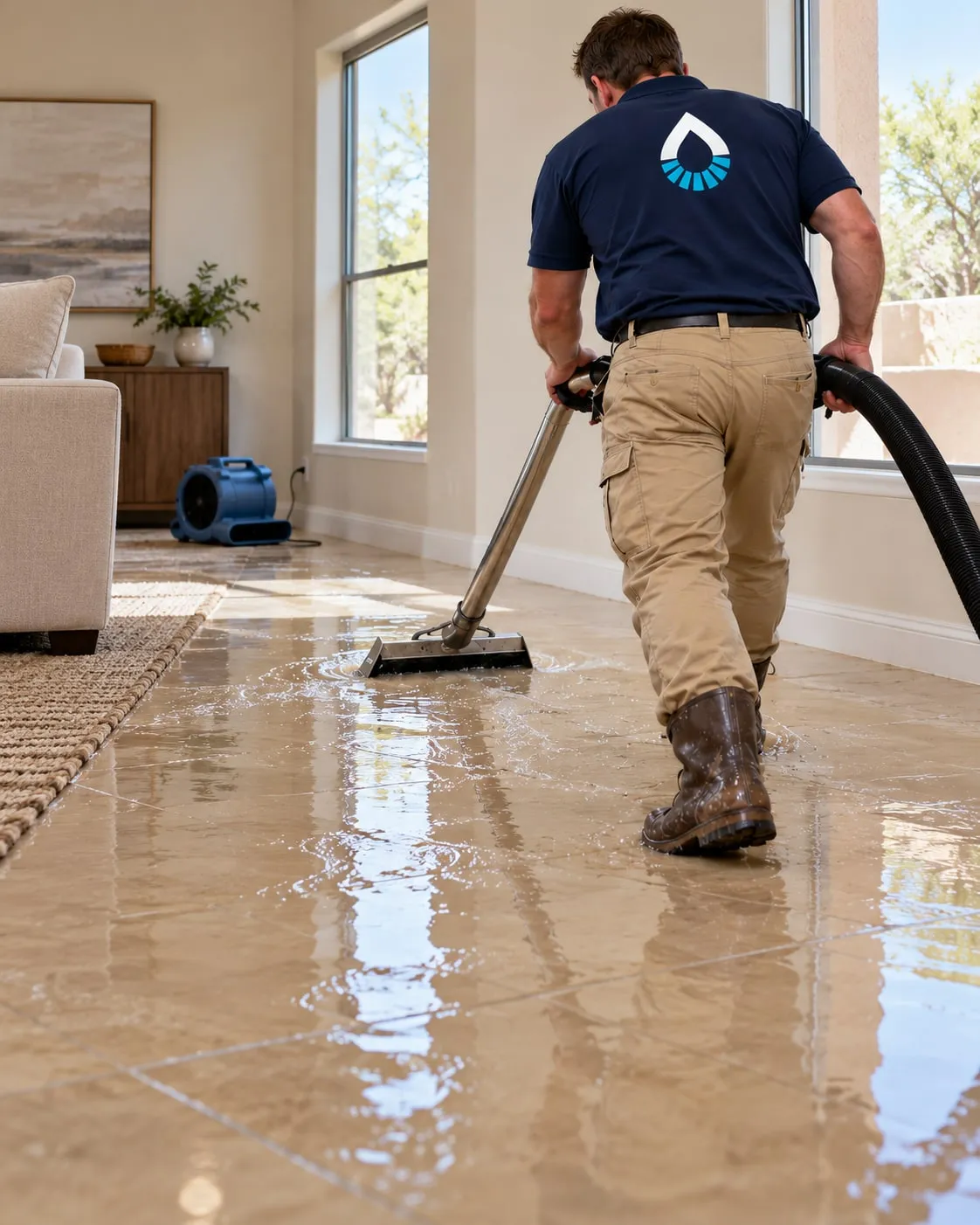
Drying is billed by the equipment and the days, which is why the same wet square footage can produce very different invoices. Restoration companies commonly quote 3 to 5 days for a typical job.
Structural drying means running air movers (strong fans) and dehumidifiers until moisture readings show the walls, floors and framing are dry.
What drives this line of the bill:
- Equipment count: a single room with a small wet area needs a handful of machines. A whole floor, or water inside the wall cavities, needs many more.
- Days: the equipment runs until readings show dry, not until the surface looks dry.
- Daily monitoring: someone takes readings and adjusts the equipment each day.
The number that drives your bill is the equipment count times the days, plus the monitoring. How drying works, step by step: structural drying and dehumidification.
Mold remediation: what makes it a small or a large job
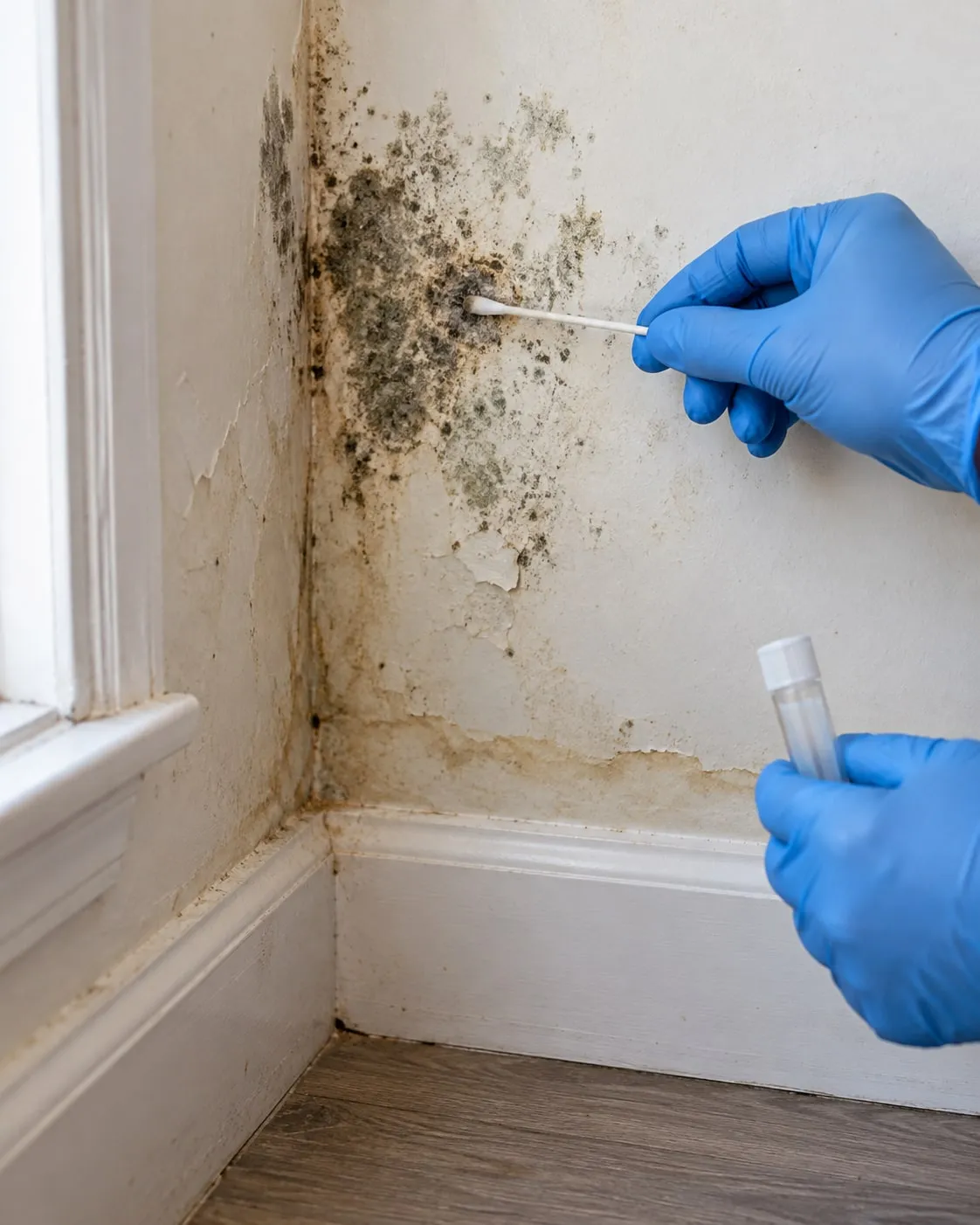
Mold work is priced by the area affected. A closet or one bathroom is a small job; growth through a wall cavity and a ceiling across several rooms is a much larger one, because containment, removal and air cleaning all grow with the area.
What moves the price of mold remediation:
- Area: the EPA says that under about 10 square feet, in most cases you can handle the job yourself. Larger areas usually mean a professional job with containment.
- Containment: plastic barriers and negative air (a fan that pulls air out of the work area) keep spores from spreading. More rooms means more containment.
- What comes out: porous materials like drywall, insulation and carpet may have to be removed and replaced.
- Testing: when it is requested for a sale or a health concern, testing is usually a separate line.
The cheapest mold job is the one that never starts. The EPA says to dry water-damaged areas and items within 24 to 48 hours to prevent mold growth. More: mold remediation and testing.
Sewage and flood cleanup: why it costs more than clean water
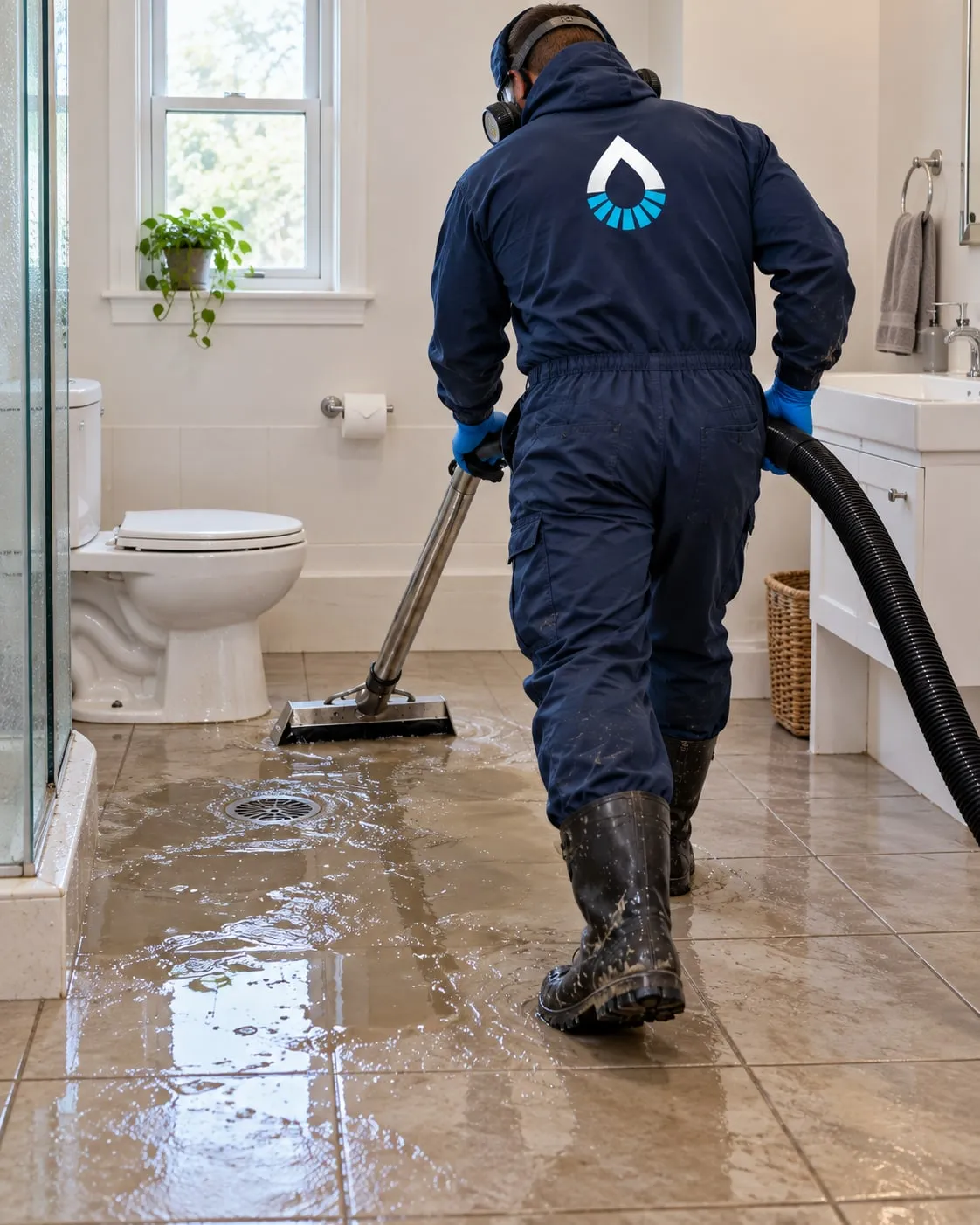
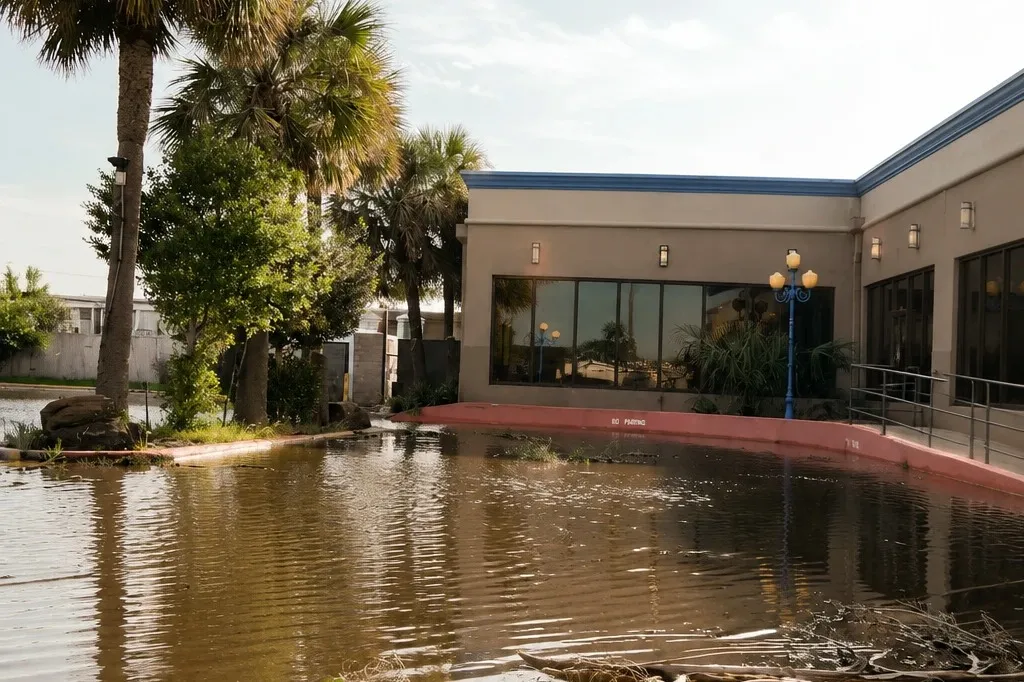
Sewage and outdoor floodwater are Category 3 water, the dirtiest kind. The cleanup costs more than a clean water job because more material comes out instead of being dried, and everything left has to be cleaned and sanitized.
Three reasons a Category 3 job costs more:
- Removal instead of drying. Porous materials that soaked up sewage or floodwater, like carpet, pad, drywall and insulation, usually have to go.
- Cleaning comes first. For Category 2 or 3 water, the S500 standard says remediation (removing the contamination) should happen before drying.
- Protection and disposal. Workers need protective gear, and the waste has to be bagged and hauled away.
A sewage backup in one bathroom is one scope. Floodwater across a whole floor, or a septic failure, is another. Insurance is different too: Triple-I says flood damage is excluded under standard homeowners policies, and sewer backups are not covered under a typical homeowners policy, nor by flood insurance. See sewage cleanup and flood and storm damage.
Inspection and estimate: where the real number comes from
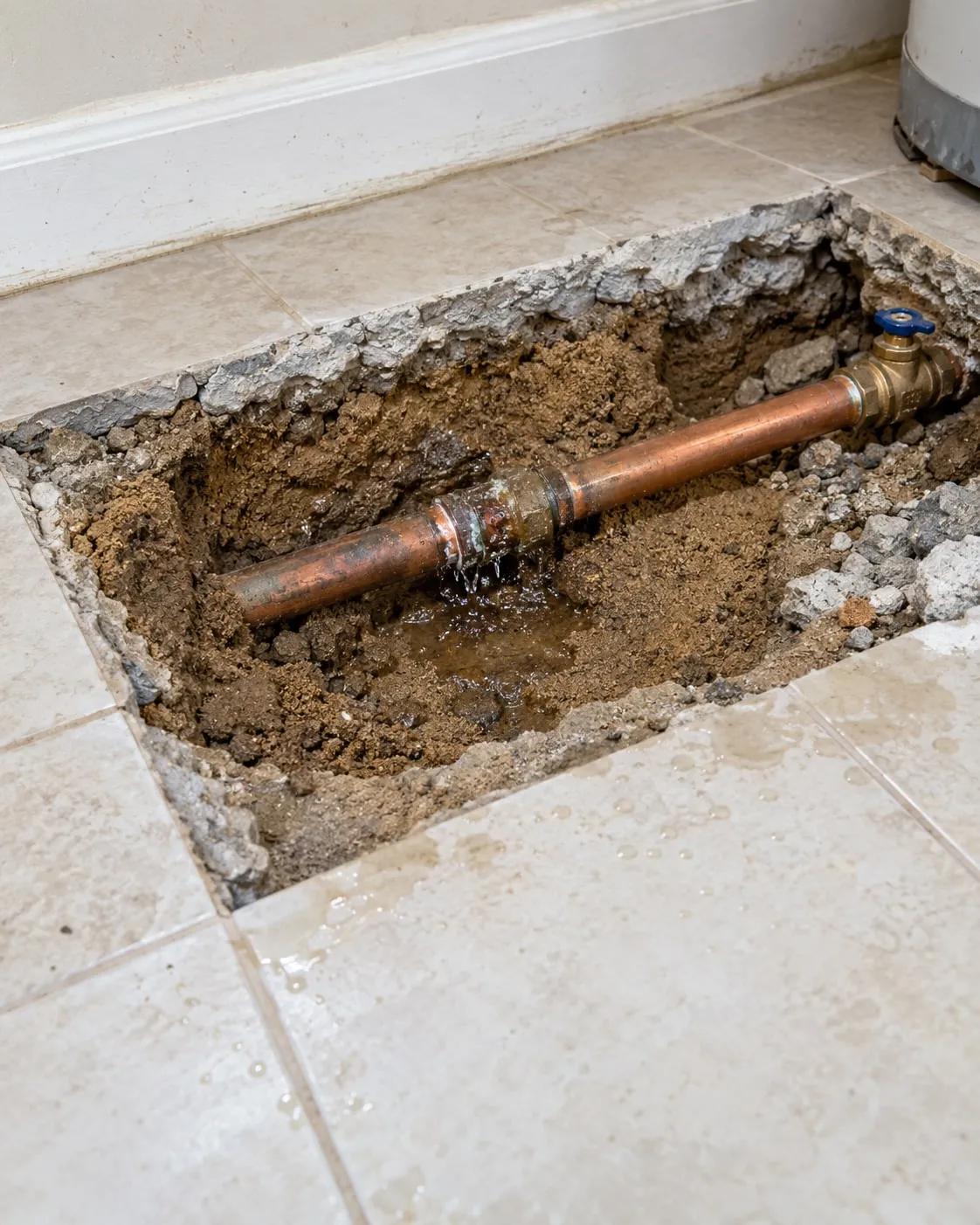
No one can give a fair price without seeing the damage. A moisture inspection defines the wet area, and the wet area defines the price.
How a water damage estimate is built:
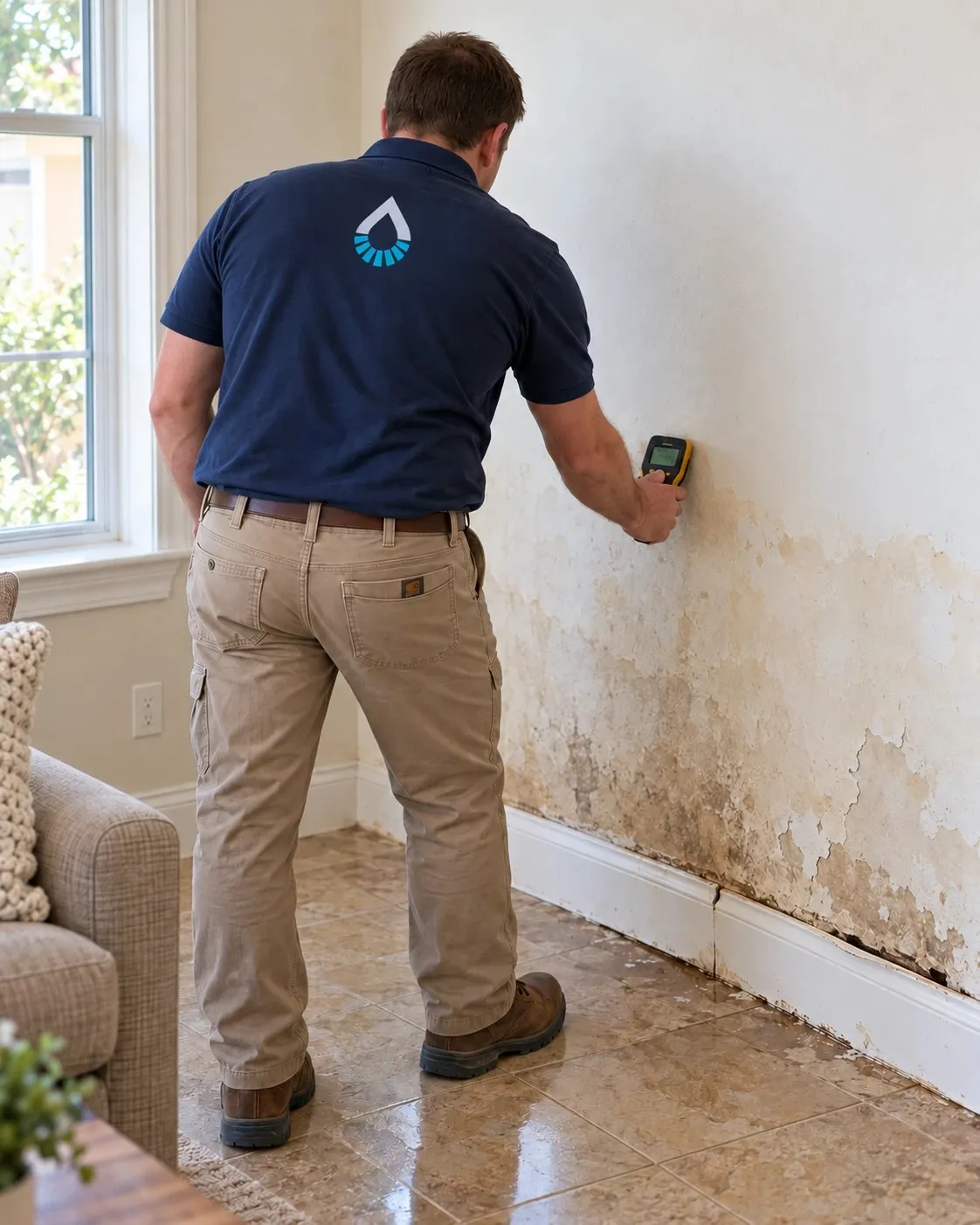
- Moisture readings. A moisture meter checks walls, floors and cabinets, and a thermal camera helps find damp areas behind finished walls.
- A moisture map. The readings are drawn on a floor plan. The map shows where the water went, and it is what the equipment and the days are planned from.
When you call, say where the water came from, how long it sat, whether it looks clean or dirty, and which rooms got wet. The contact page lists what to have ready.
What insurance may pay for water damage
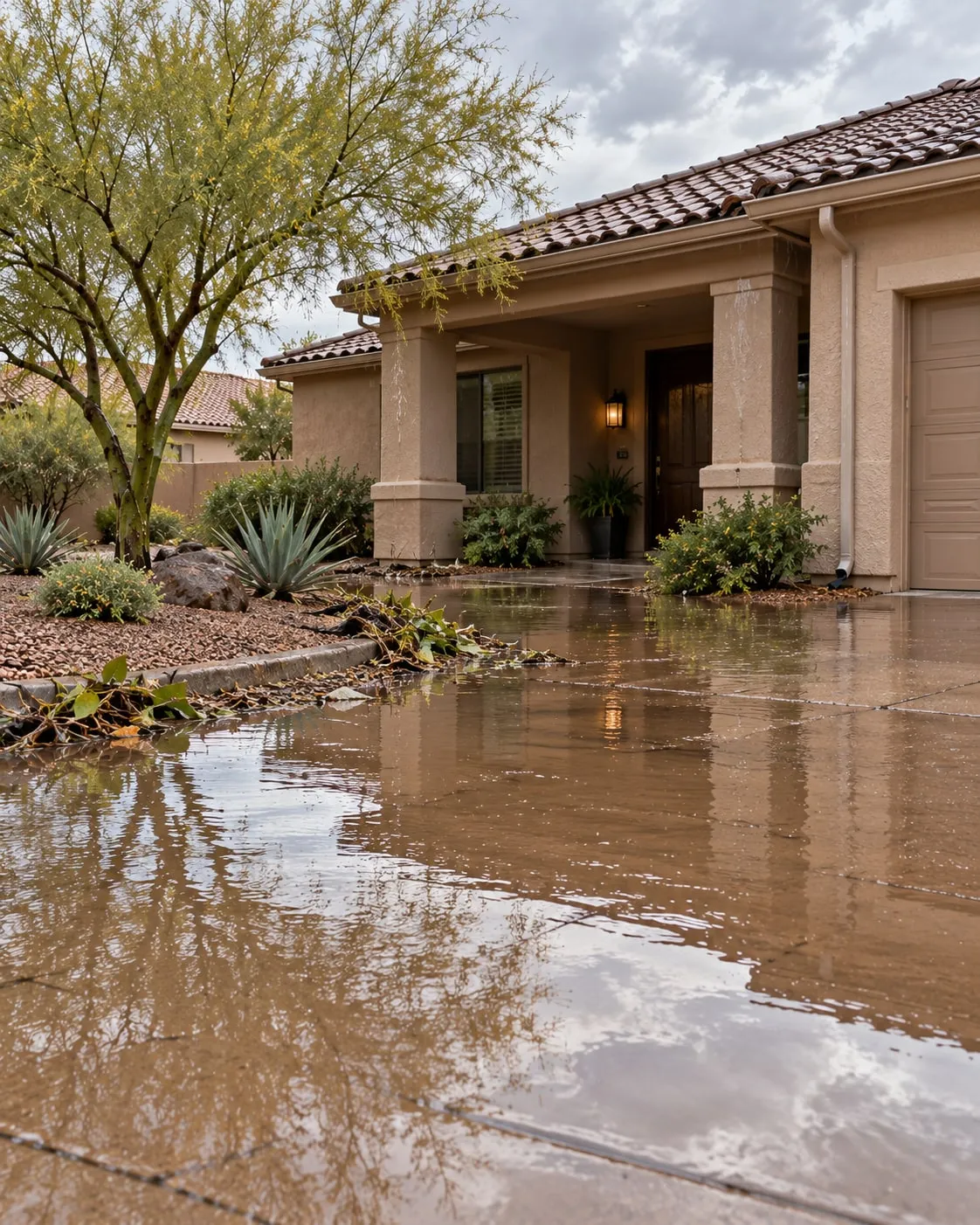
It depends on your policy and on where the water came from, and your insurer decides. Triple-I lists water that leaks or overflows by accident from a plumbing system among the perils homeowners policies cover.
What Triple-I (the Insurance Information Institute) also says:
- Flood damage is excluded under standard homeowners and renters policies.
- Sewer backups are not covered under a typical homeowners policy, nor by flood insurance.
- Policies do not cover damage due to lack of maintenance, mold or infestation.
What helps a covered loss get paid is the paperwork: photos of the damage and the source, the moisture map and the daily drying readings. Report the damage to your insurer early and keep everything together.
No one can promise what your insurer will pay. The full guide: does homeowners insurance cover water damage.
Water damage price ranges at a glance
Published Phoenix-area ranges and a national claim average. Not a quote.
| Job | Published range | Source |
|---|---|---|
| Small clean water job | Often a few hundred dollars | A Phoenix-area water damage company |
| Small kitchen leak | $2,000 to $5,000 | A Valley restoration company |
| Water damage restoration, by severity | $1,500 to $10,000 or more | A Phoenix restoration company |
| Full floor flood with mold remediation | More than $15,000 | A Valley restoration company |
| Average water damage and freezing claim, US, 2019 to 2023 | $15,400 | Insurance Information Institute (Triple-I) |
Ranges are published by Phoenix-area restoration companies on their own websites (checked October 11, 2026). They are market figures, not a quote. The actual price is set after an on-site assessment, and depends on the affected area, the water category and the drying days.
Water damage cost questions
How much does water damage restoration cost in Scottsdale?
There is no single price. Phoenix-area restoration companies publish ranges from a few hundred dollars for a small clean water job to $1,500 to $10,000 or more by severity, and more than $15,000 for a full floor flood with mold remediation. The actual price is set after an on-site look at the damage.
Why is there no flat price for water damage?
Because the job is priced by the size of the wet area, the category of the water and the number of drying days. Two rooms that look the same can need very different equipment.
Can I get a price over the phone?
Not a fair one. No one can price a water loss without moisture readings, because water spreads under floors and inside walls. Ask about pricing when you call.
Does insurance cover the cost of water damage?
It depends on your policy and the cause, and your insurer decides. Triple-I lists water that leaks or overflows by accident from plumbing among covered perils, and says flood damage is excluded under standard homeowners policies.