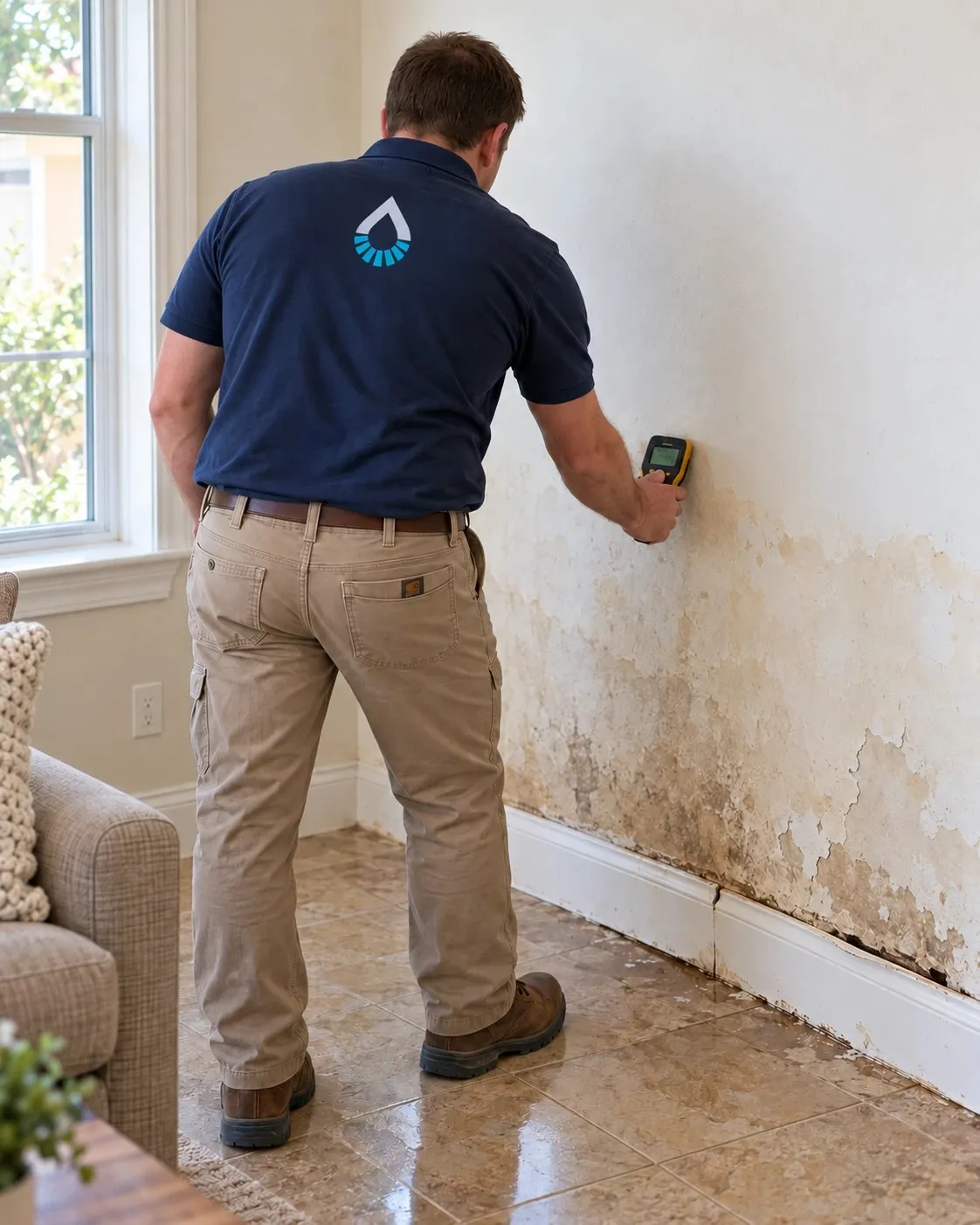
Structural Drying and Dehumidification in Scottsdale, AZ
You got the standing water out, but the walls and floors still feel damp. Call day or night, or send the form. Someone from our team will call you back soon.
What you get
Walls and floors dried until the readings say dry
Extraction gets the water you can see. Structural drying gets the water you cannot, out of the walls, floors and framing. Moisture readings, not touch, show when it is done.
- Air movers and dehumidifiers working together, so the water leaves the building and does not just move around it.
- Moisture readings mapped room by room, so water you never saw is not missed.
- A moisture map and daily readings for your insurer's file.
- Drywall, flooring and cabinets dried in place where they can be saved, taken out only where they cannot.
- A dry reading before anything gets closed up or rebuilt.
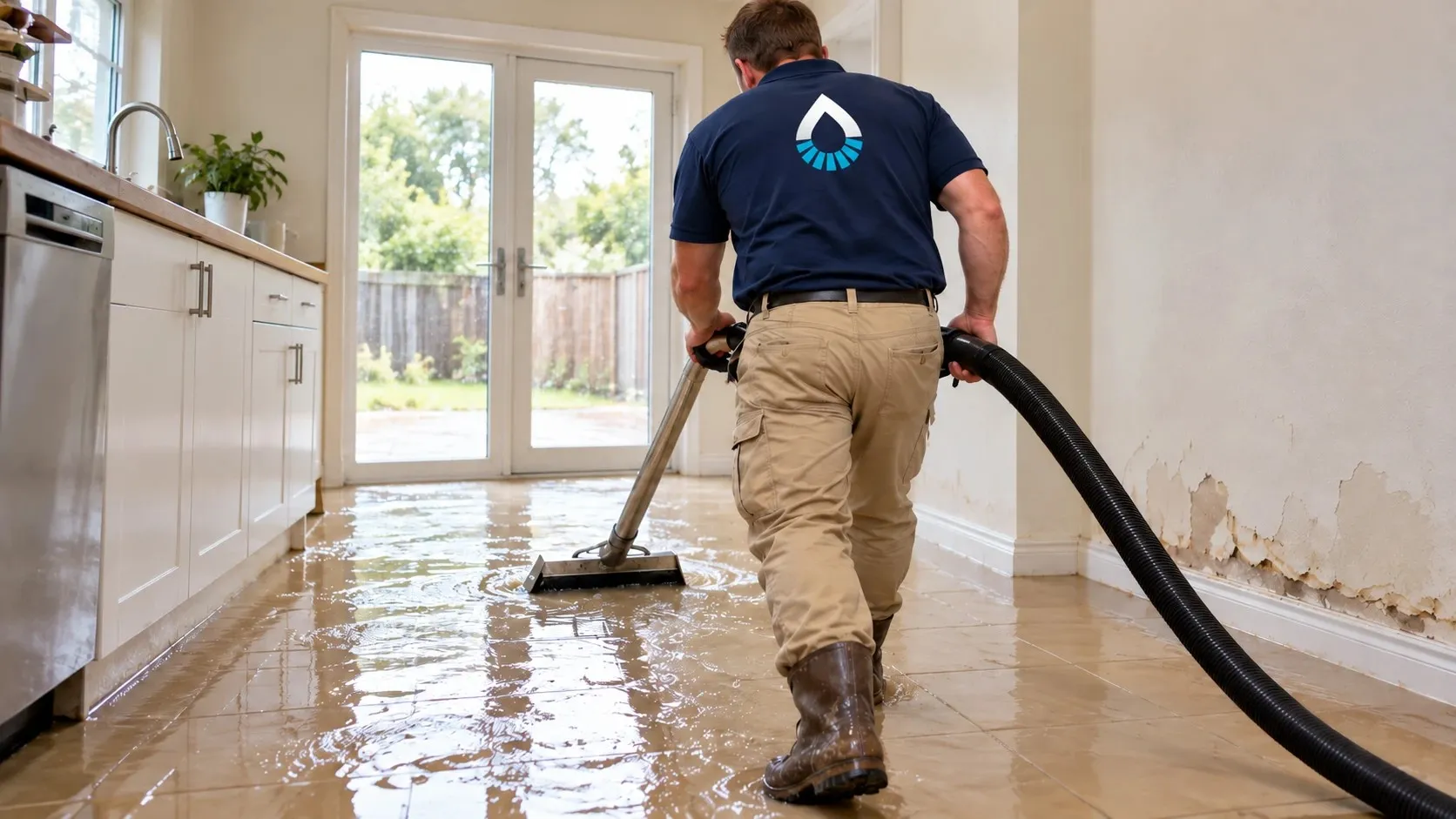
5 signs your house is still wet after the water is gone
Standing water out is not the same as dry. Water moves under flooring, into wall cavities and down into the slab, where it keeps feeding moisture into the air.
- 01
Walls that feel dry on the surface
A wall can feel dry on the surface and still be wet inside. A moisture meter reads what is behind it.
- 02
The room stays damp
Wet materials keep releasing moisture into the air. Dehumidifiers pull it back out, so the room does not stay damp.
- 03
Wood floors that cup or crown
Cupping means the edges rise, crowning means the middle rises. Floor drying mats can sometimes save the boards if drying starts early.
- 04
Drywall that sags or swells
The EPA says wet drywall may be dried in place if it has no obvious swelling and the seams are intact. If it sagged or grew mold, it is cut out above the wet line.
- 05
Cabinet bases that stay damp
Cabinets are often dried in place once the toe kick, the strip under the base cabinets, comes off so air can get underneath.
How it works: three steps from your call to a dry structure
You do one thing: call or send the form.
Call or send the form
Day or night. Say where the water is and whether it is still running.
Someone from our team will call you back
We go over what happened and the next steps with you.
Drying runs until the readings say dry
Air movers and dehumidifiers run together. Moisture readings, not the look of the surface, show when the structure is dry. Repairs come last.
How much does structural drying cost in Scottsdale?
There is no single price. Drying cost depends on the size of the wet area, how many air movers and dehumidifiers run, and for how many days.
Drying is priced by the job, not as a flat fee, because a 2 room job and a whole floor are not comparable. What moves the number:
- Size: how many rooms and square feet got wet.
- Equipment: how many air movers and dehumidifiers it takes.
- Days: how long the equipment runs before readings show dry.
- Water category: clean supply line water is the simplest. Dirty water means removal and cleaning before drying.
- What comes out: soaked pad, drywall or baseboards add removal and rebuild.
The full guide: water damage restoration cost in Scottsdale. Published Phoenix-area ranges are on the price guide.
Water is gone but the house is still wet. What to do first
Standing water out is not the same as dry. Water moves under flooring, into wall cavities and down into the slab, where it keeps feeding moisture into the air.
- 01
Stay safe around power
Stay out of any room with water near outlets, cords or appliances. Cut power to wet rooms at the breaker only from a dry spot.
- 02
Hold off on fans if the water was dirty
The EPA says not to use fans before you know the water is clean or sanitary. Water from a toilet, a drain or outside may not be.
- 03
Photograph everything
Take photos and video of every wet room before anyone moves anything. Your insurer may ask for them.
- 04
Get a moisture reading
A wall can feel dry on the surface and still be wet inside. Get readings with a moisture meter before anyone tells you the house is fine.
- 05
Call for help
Call now. Say where the water came from, how long it sat and which rooms got wet.
What is structural drying?
Structural drying is the controlled removal of moisture from the building itself, not just from the air. It uses air movers and dehumidifiers together, and moisture meters decide when it is done.
Two machines do the work at the same time:
- Air movers (strong fans) keep a steady current of air moving across wet surfaces, so water evaporates off the drywall, wood and concrete.
- Dehumidifiers (machines that pull water out of the air) take that evaporated water straight back out, so the room does not just re-wet everything.
Running one without the other is the most common mistake. Fans alone keep moving the same wet air around. Dehumidifiers alone cannot reach water trapped inside materials.
Speed matters too. The EPA says to dry water-damaged areas and items within 24 to 48 hours to prevent mold growth.
The goal is to bring the structure back to its normal dry level, measured with meters, not guessed by touch. This is the part of a water job that takes days and is usually billed by the day, which is why it deserves its own plan.
In Scottsdale, the usual sources are slab leaks, water heaters worn by hard water and monsoon roof leaks. Read what causes water damage in Scottsdale homes.
Structural drying vs water extraction vs restoration
They are three different steps, and a proper job runs them in this order: extraction first, then structural drying, then restoration.
These three get mixed up:
- Water extraction is the fast part. Pumps and wet vacuums pull standing water off the floor, usually in the first few hours. See emergency water extraction.
- Structural drying is the slow part. Air movers and dehumidifiers run until the walls and framing read dry, usually over several days.
- Restoration is the rebuild: new drywall, flooring and paint after everything is dry.
Extraction without drying leaves hidden moisture behind. Drying without extraction wastes days trying to evaporate a puddle. Restoration before drying traps moisture behind new drywall, where mold can grow.
Business or commercial property? See commercial water damage restoration.
How long does structural drying take?
Restoration companies commonly quote 3 to 5 days for a typical job. The real number depends on how much water got in, how long it sat, what it soaked into and how well the room can be closed off.
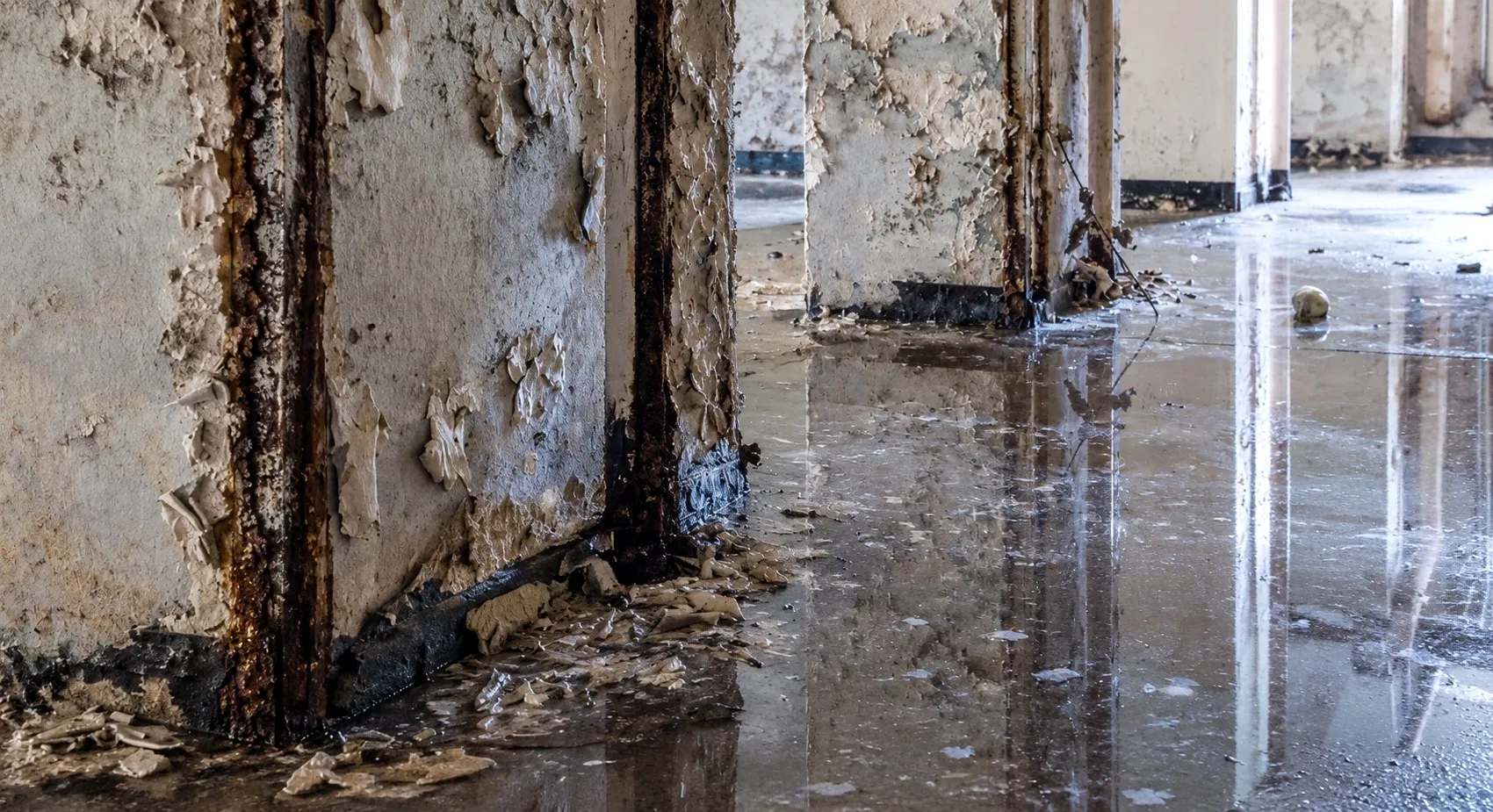
Four things set the timeline:
- How much water entered the house.
- How long it sat before drying started.
- What it soaked into: tile and concrete behave differently from carpet pad, wood and drywall.
- How well the room is closed off, so the dehumidifiers are not fighting the whole house.
A single room with a supply line leak and wet carpet can be on the short end. A slab leak that ran under wood floors for weeks can take longer, with daily readings to prove progress.
The S500 standard is the restoration industry's reference for drying a water-damaged building. Daily moisture readings show how drying is going.
How moisture is measured: readings and mapping
Drying is a numbers job. A technician takes moisture readings at many spots and draws them on a floor plan, which shows exactly where the water went.
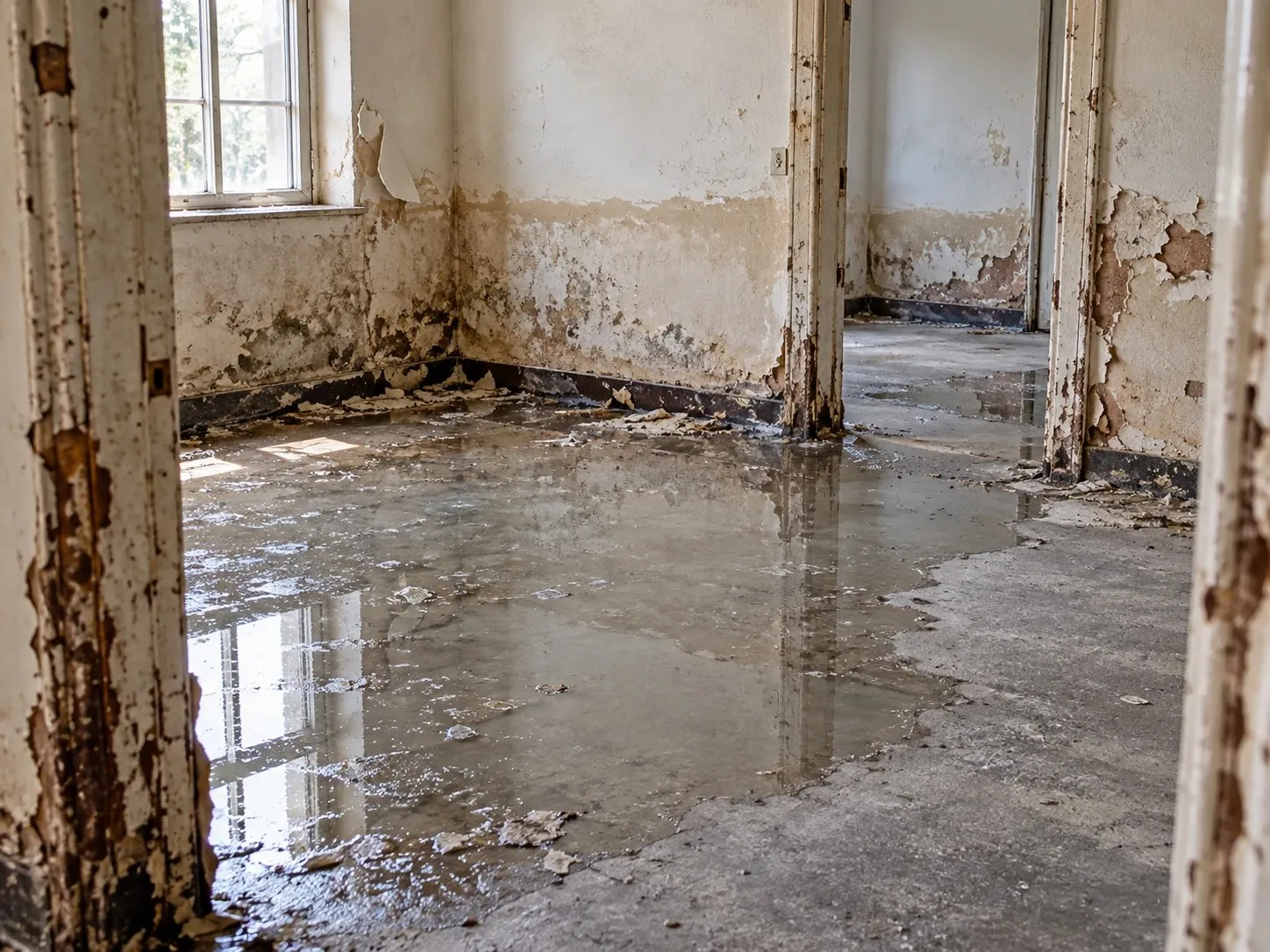
A moisture meter (a handheld tool that reads how wet a material is) checks the drywall, baseboards, subfloor and framing, and a number is recorded at each spot.
Drawing those readings on a floor plan is called moisture mapping. It shows exactly where the water traveled, including places you never saw it. A thermal camera helps find cold, damp zones behind a finished wall.
The point is not the gadget. The point is the map:
- It tells the crew where to place the equipment.
- It tells your adjuster what was wet.
- It shows, day by day, that the structure is getting drier.
The map and the daily readings are your record of the loss, and your protection if a claim is questioned later.
The equipment: air movers, dehumidifiers and airflow
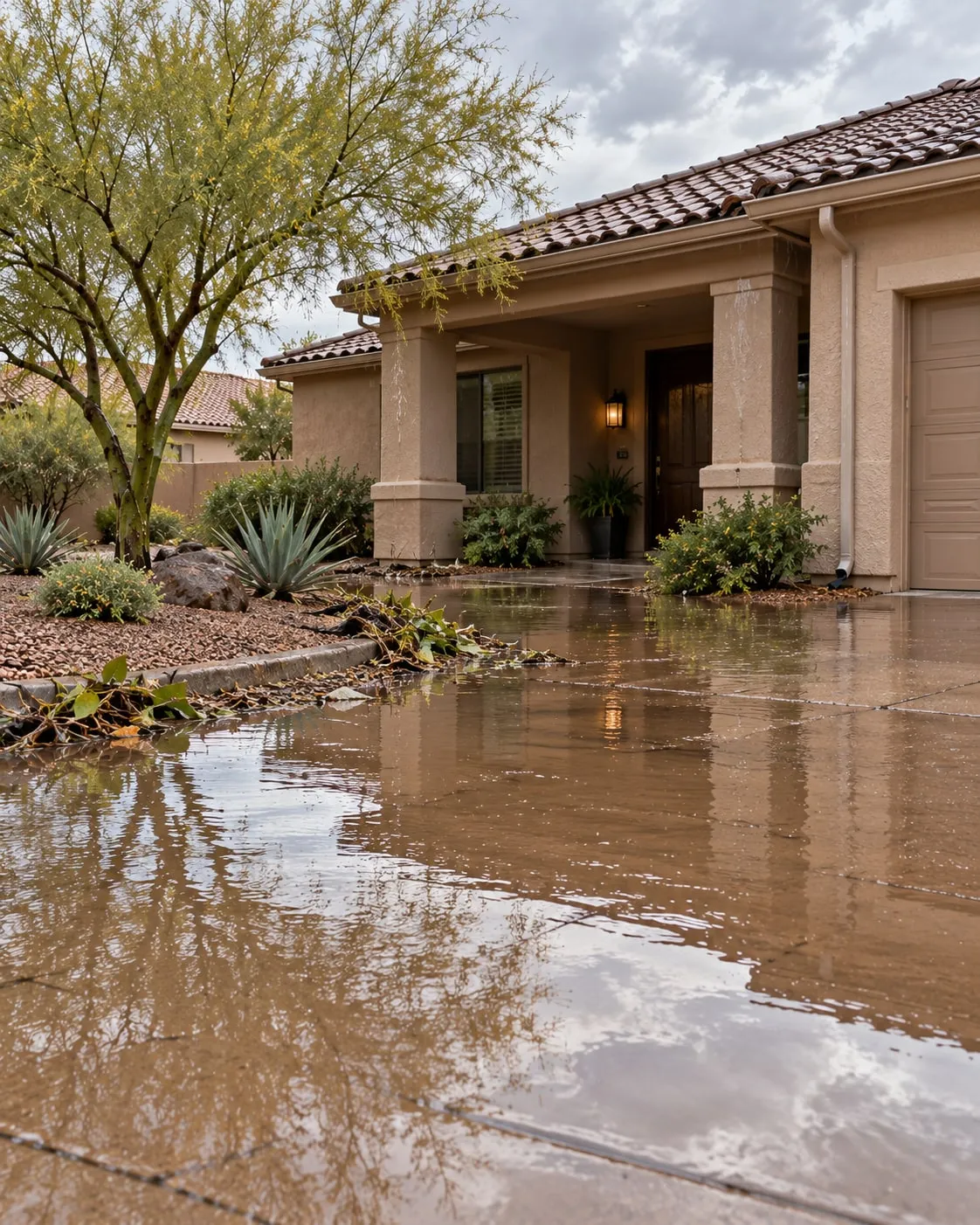
Two families of machines do the work: air movers that evaporate water off surfaces, and dehumidifiers that pull it out of the air. Where they are placed matters more than how many run.
Air movers
High velocity fans aimed along walls and floors, so water evaporates off the surfaces instead of soaking deeper.
Refrigerant dehumidifiers
The everyday workhorse. They pull moisture out of the air and drain it away, so the room stays dry enough for materials to keep giving up water.
Desiccant dehumidifiers
Used on very deep or very large losses. They keep pulling water out of the air at lower temperatures and humidity, where refrigerant units slow down.
Floor drying mats
For wood floors, mats connected to a vacuum pull water out of the boards with suction. They help most when drying starts early, before the boards swell.
Placement and closing off the room
A fan pointed at a closed door does nothing. A dehumidifier in a closed-off room works; in an open one it fights the whole house. When readings hit the dry level, the equipment comes out.
Wet drywall, flooring and cabinets: what can be saved
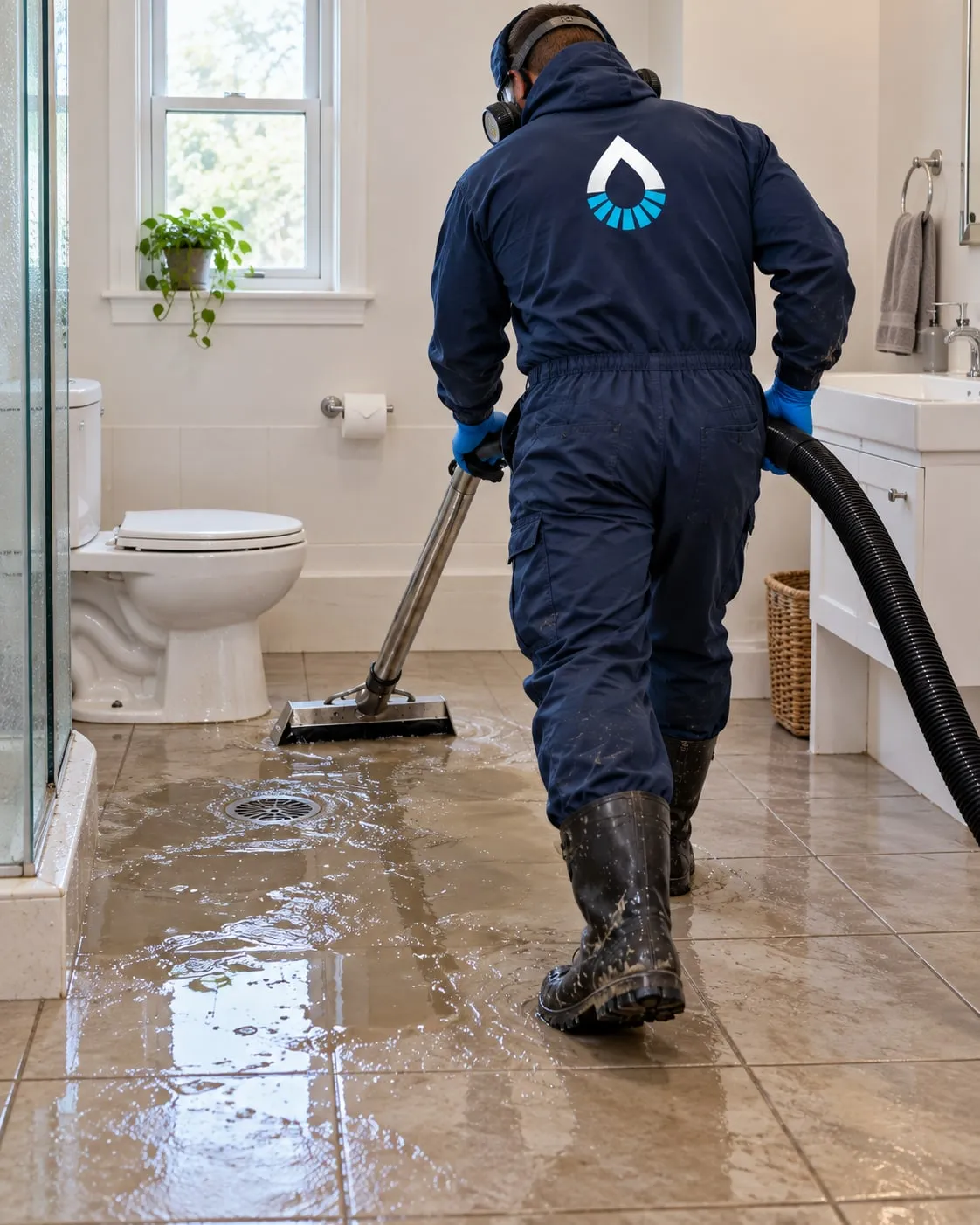
Some materials survive drying and some do not. What decides it is how clean the water was, how fast drying started and whether the material swelled, sagged or grew mold.
Carpet
Wet carpet can be dried and cleaned if the water was clean and it is caught fast. The EPA's steps are to extract the water, then dry with dehumidifiers and fans.
Carpet pad
The cushion under the carpet holds water out of sight. A soaked pad may have to come out.
Wood floors
Can sometimes be saved with floor drying mats if drying starts before the boards cup (edges rise) or crown (middle rises).
Drywall
The EPA says wet drywall may be dried in place if it has no obvious swelling and the seams are intact. If it sagged or grew mold, it is cut out above the wet line so the wall cavity can dry.
Cabinets
Often dried in place once the toe kick (the strip under the base cabinets) comes off, so air can get underneath.
Anything touched by dirty water
Porous materials soaked by sewage or outdoor floodwater are usually removed, not dried. See sewage cleanup.
Does homeowners insurance cover structural drying?
It depends on your policy and on where the water came from, and your insurer decides. Triple-I lists water that leaks or overflows by accident from a plumbing system among the perils homeowners policies cover.
Drying and extraction are the mitigation (the work that stops more damage), and they are part of most water claims. Triple-I (the Insurance Information Institute) also says:
- Flood damage is excluded under standard homeowners and renters policies.
- Sewer backups are not covered under a typical homeowners policy, nor by flood insurance.
Keep every receipt, the moisture map and the daily logs. The documentation is what helps a covered loss get paid.
No one can promise what your insurer will pay. For the full breakdown by cause, read does homeowners insurance cover water damage.
Related water damage pages
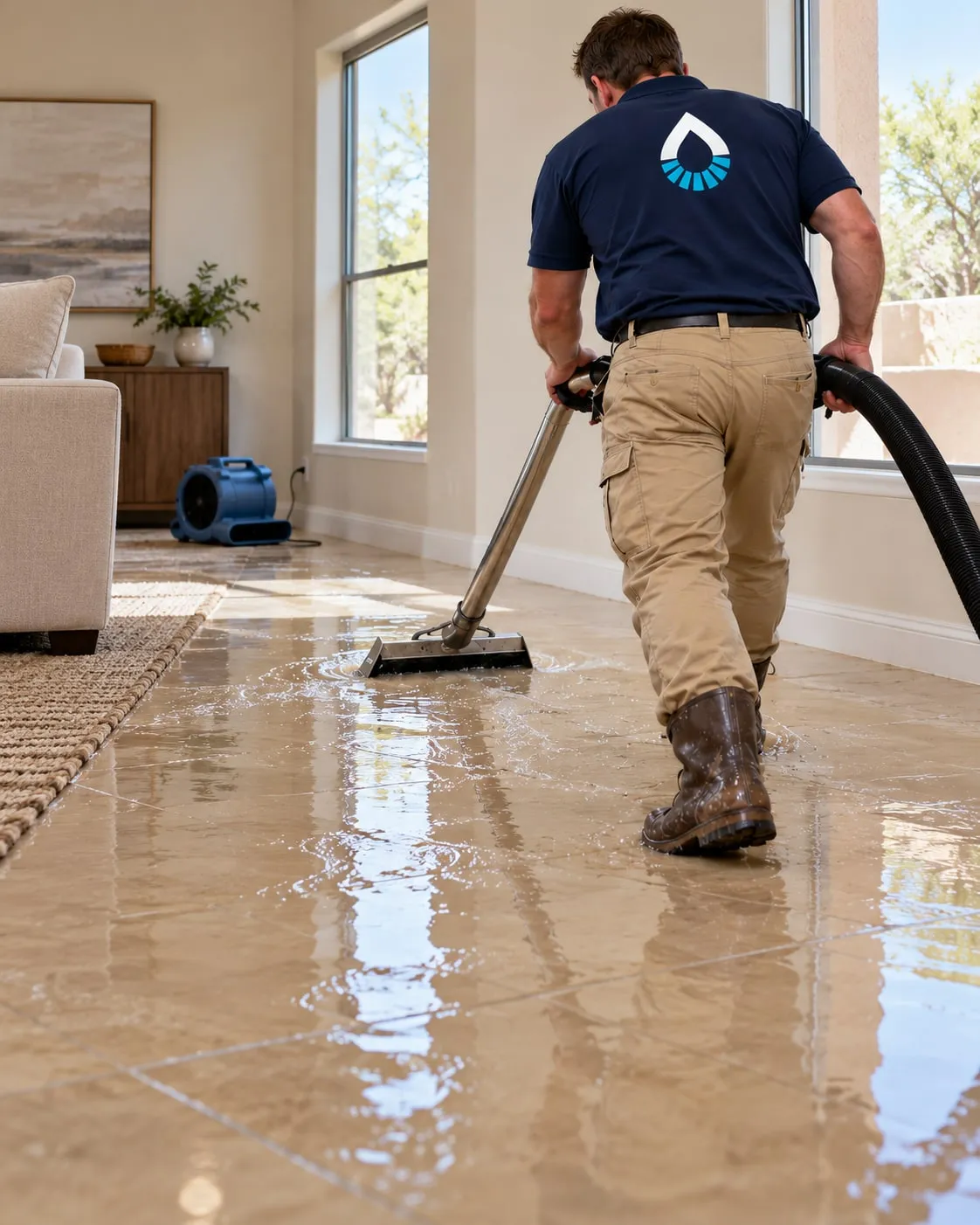 Emergency water extractionStanding water from a leak or overflow: what to do first, what can be saved and how drying works.
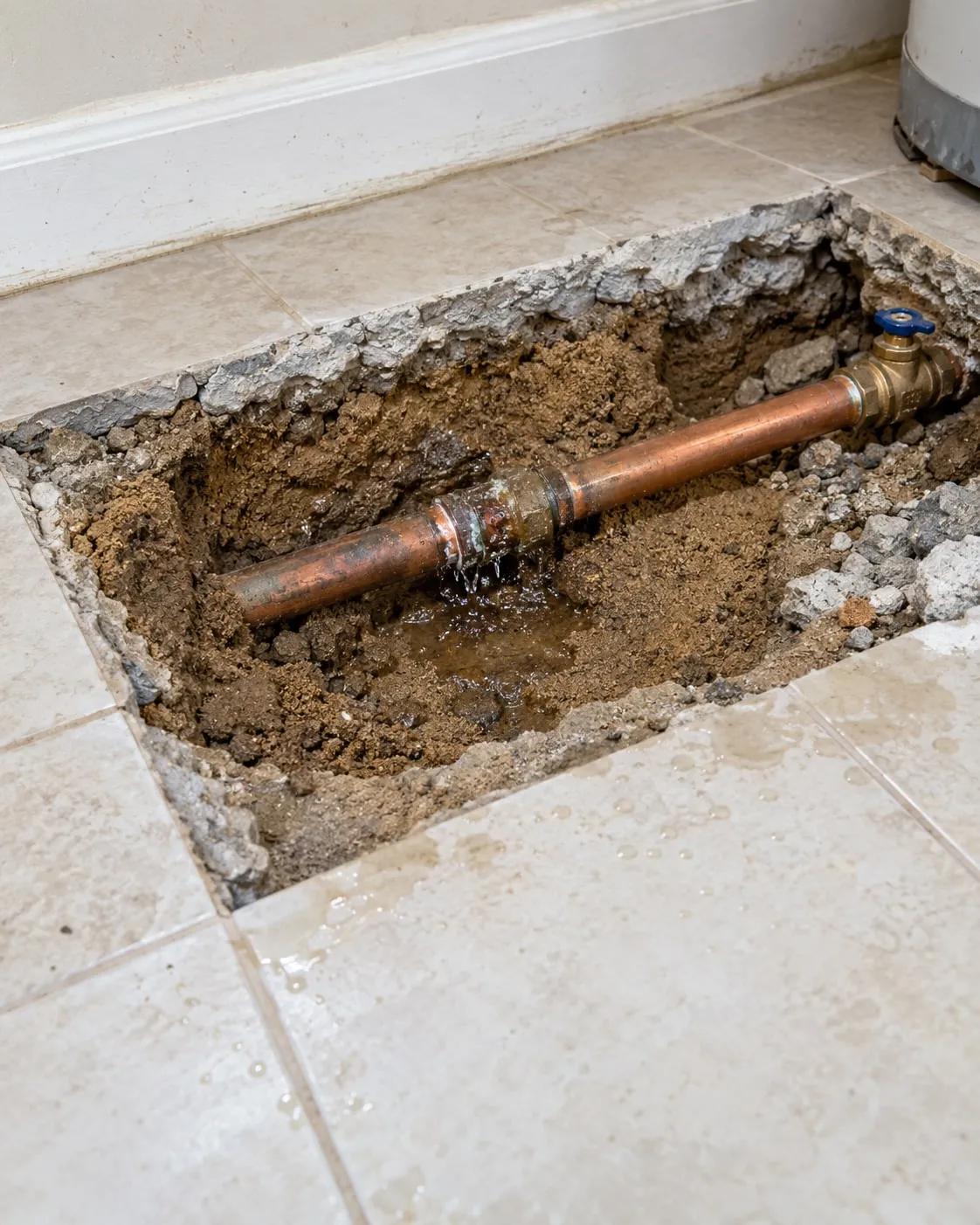 Slab leak & burst pipeSlab leak, burst pipe or a leaking water heater: what to do first and who fixes what.
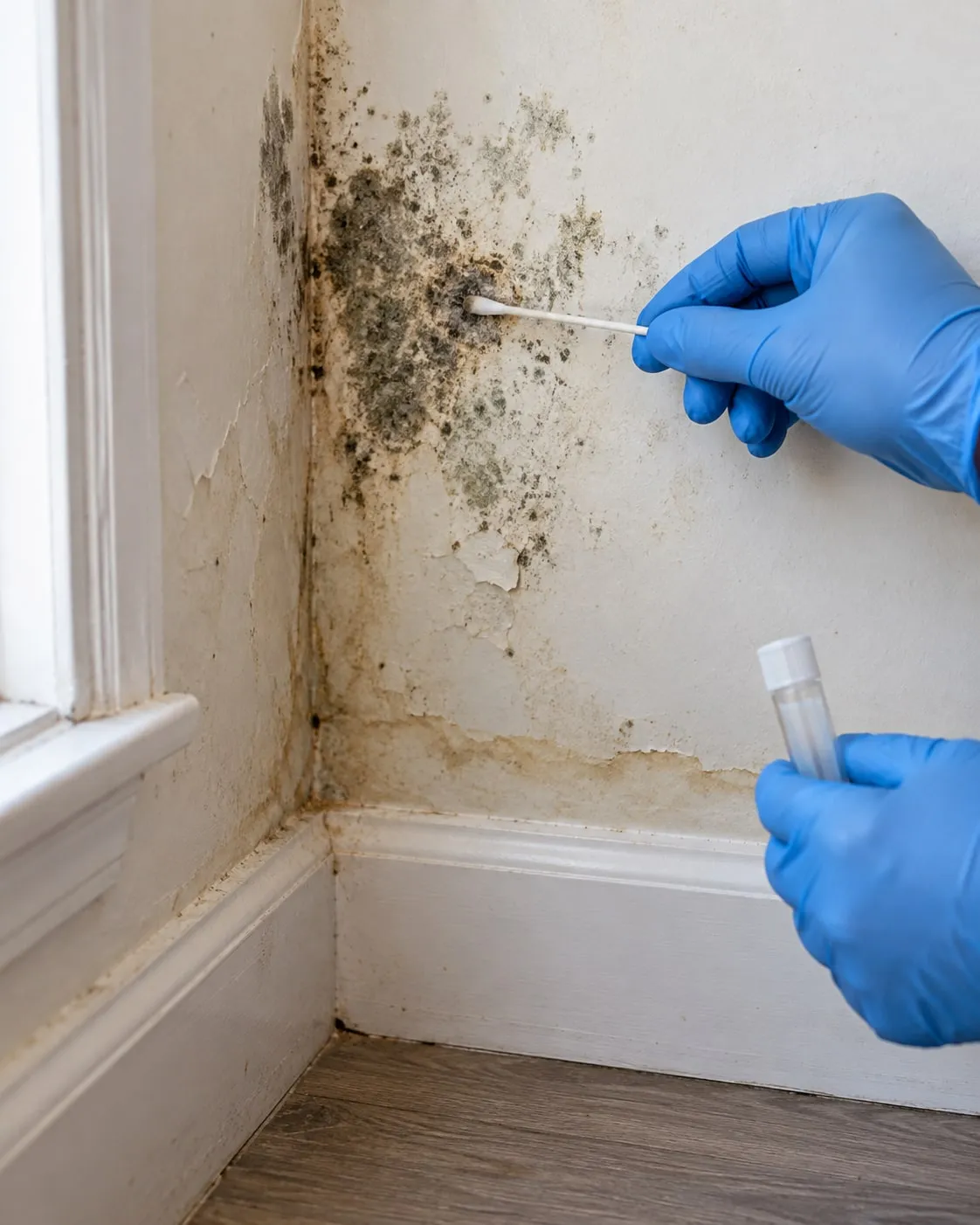 Mold remediation & testingMold or a musty smell after a leak: when testing helps and how mold remediation works.
Questions people ask
How long does it take to dry a water damaged house?
Restoration companies commonly quote 3 to 5 days of running equipment. A small clean water leak can be on the short end. A slab leak under wood floors can take longer. Daily moisture readings show when it is done.
Can I just leave fans running and dry it myself?
Household fans move air but do not take the water out of it, so the moisture stays in the room. Without a dehumidifier and moisture readings, you cannot tell when the structure is actually dry.
Do I have to leave the house during drying?
Often no. The equipment is loud, but many people stay home. After sewage or outdoor floodwater, stay out of the affected rooms until they are cleaned.
How do I know it is really dry?
A final set of moisture readings shows the materials back to their normal dry level. Without readings, dry is a guess.
Will drying stop mold?
Drying fast is the main way to prevent mold. The EPA says to dry water-damaged areas and items within 24 to 48 hours to prevent mold growth. Mold that has already grown needs mold remediation, not just drying.
Pick your town for local storm risks and what to do first when water gets into a home.
- ScottsdaleIndian Bend Wash Greenbelt: 11 miles of flood control.
- Paradise ValleyAbout 4.4 miles from Scottsdale City Hall, with four water providers and many properties on septic.
- North ScottsdaleDC Ranch and Pinnacle Peak Park, about 16 to 21 miles from Scottsdale City Hall.
- Fountain HillsAbout 21 miles from Scottsdale City Hall. 58% of homes here were built from 1980 to 1999.
- Cave CreekFounded in 1870 as a mining and ranching community, about 29 miles from Scottsdale City Hall.
- CarefreeEasy Street and Ho Hum Road, about 27 miles from Scottsdale City Hall.