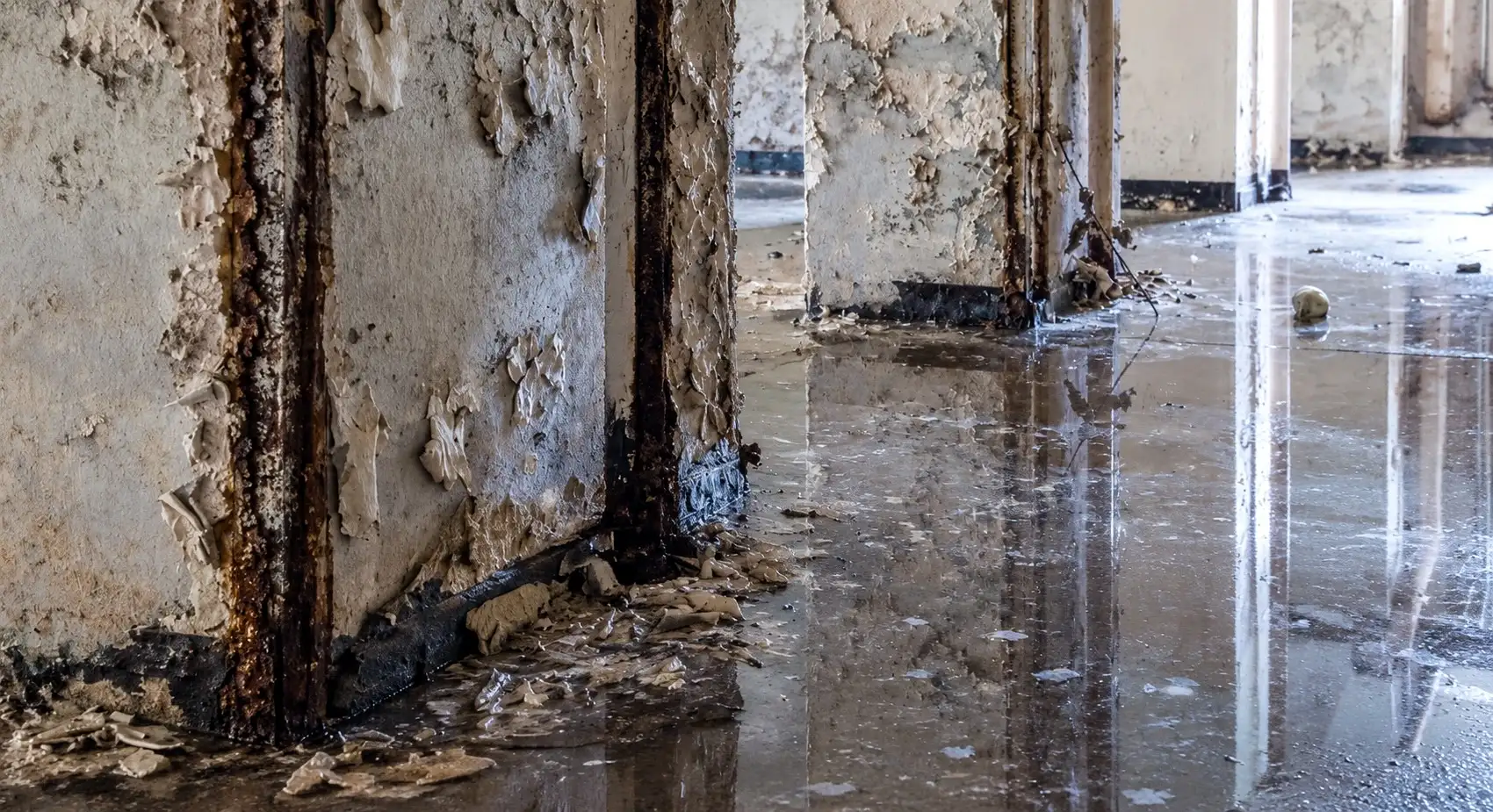
Commercial Water Damage Restoration in Scottsdale, AZ
You have water in your shop, office or building. Call day or night, or send the form. Someone from our team will call you back soon.
What you get
Your building dried, with a plan for what can stay open
A burst pipe in an office is not a house problem, it is a revenue problem. Commercial water jobs run to two goals at once: dry the building correctly and get the doors open again as fast as the structure allows.
- A plan that starts with what can stay open, not with the equipment list.
- The wet zone closed off with plastic barriers and negative air, so the rest of the building can keep working.
- Loud equipment scheduled outside your hours, with the day's readings recorded before you open.
- A file your adjuster can read without a phone call: cause of loss, moisture map, daily readings, photos and an equipment log.
- Landlord, tenant and contents kept separate in the file from day one.
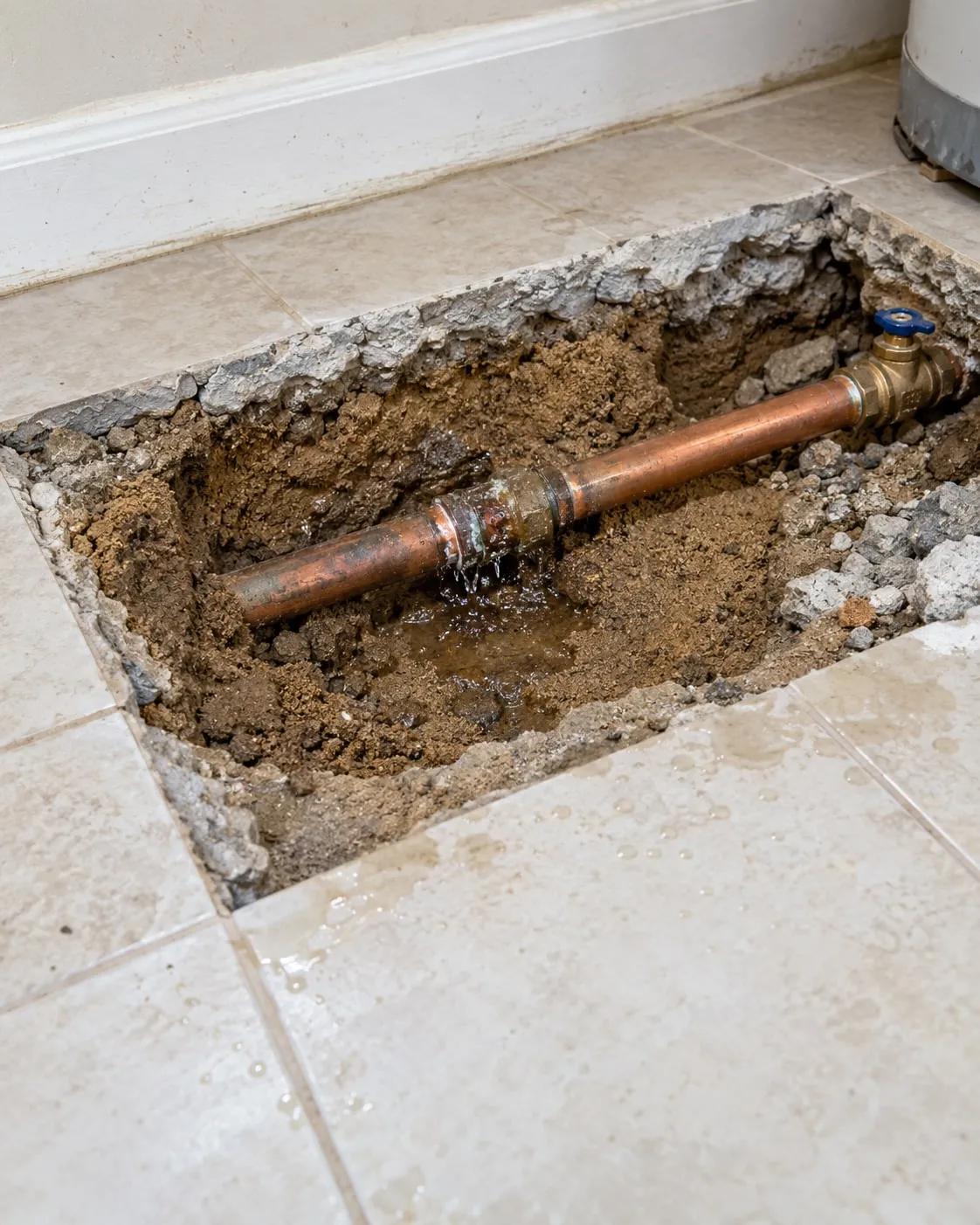
5 signs water is about to cost your Scottsdale business
In a business, the water is the small number. Closed doors are the big one.
- 01
Water near electrical panels, outlets or equipment
No one walks through standing water near them. Ready.gov says not to touch electrical equipment if it is wet or if you are standing in water.
- 02
A roof leak over stock, or an AC overflow near servers
Inventory, electronics and paper records come first.
- 03
A failed supply line in a kitchen, salon or clinic
Water that touched grease, food waste or chemicals is often treated as dirty water. Surfaces get cleaned and sanitized, not just dried.
- 04
A shared riser leaking into several units
The main pipe running up through the floors floods several units at once, each with its own owner and policy.
- 05
Water in the HVAC equipment or ducts
Have it checked before it runs. The EPA says not to run an HVAC system you know or suspect is contaminated with mold.
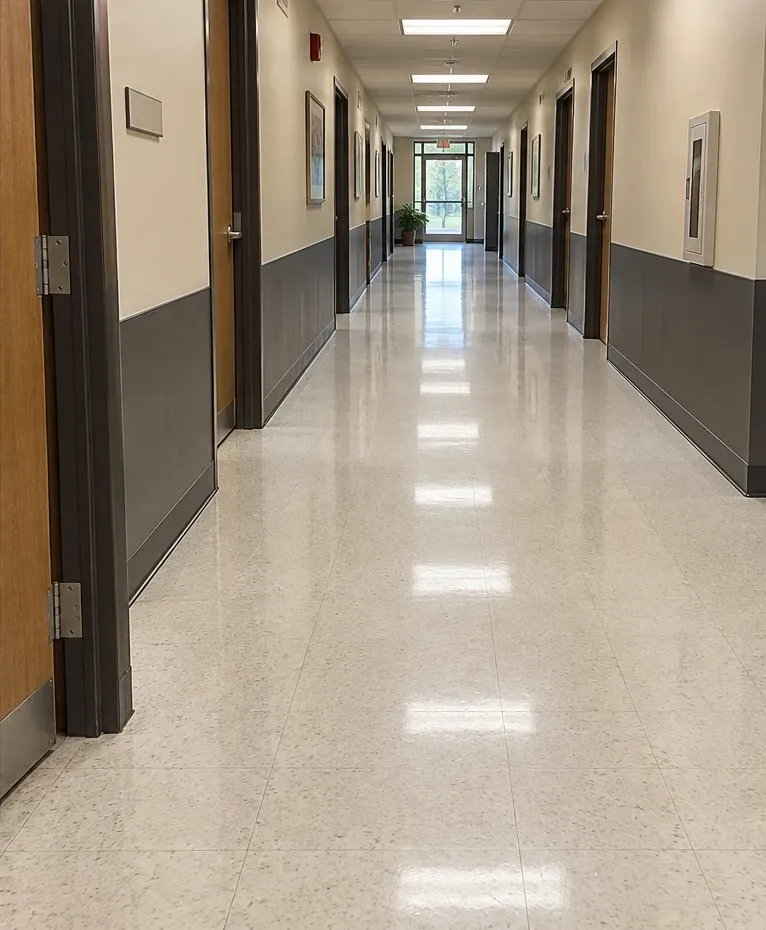
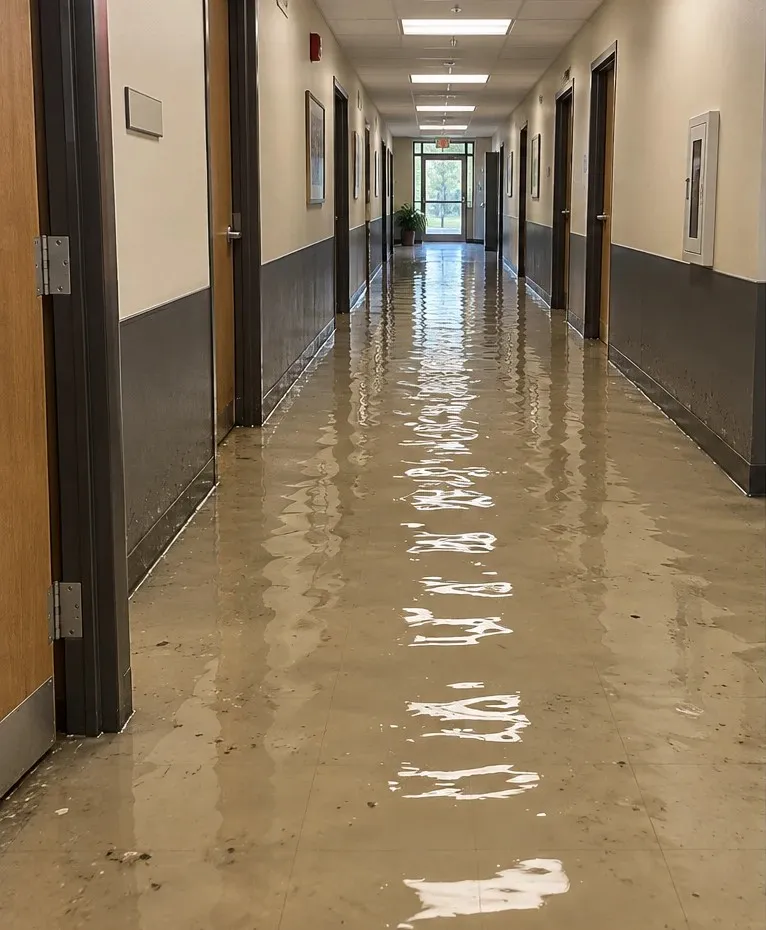
How it works: three steps from your call to a dry building
You do one thing: call or send the form.
Call or send the form
Day or night. Say where the water is and whether it is still running.
Someone from our team will call you back
We go over what happened and the next steps with you.
Containment, drying and the paperwork follow
The wet zone is closed off so the rest of the building can keep working. Drying runs on a schedule that fits your hours, with readings logged daily for your insurer.
How much does commercial water damage restoration cost?
There is no single price. Commercial work is scoped job by job, based on the size of the area, how dirty the water was and how much of the building has to come offline.
What drives the number:
- Square footage that got wet.
- Water category: clean, gray (from appliances) or contaminated.
- How much of the building comes offline, and for how long.
- How many units, tenants or managers are involved.
- How long the equipment runs before readings show dry.
A small office suite with a clean water leak is a modest job. A restaurant with dirty water under the line and stock to protect is a much larger one.
Because downtime is usually the biggest cost, two extra days to dry can cost more than the drying itself. More on what moves the price: water damage restoration cost in Scottsdale. Published Phoenix-area ranges are on the price guide.
Water in your building? What to do first
Protect people before property. Ready.gov says to stay out of floodwater, and to turn off the electricity to prevent electric shock if it is safe to do so.
- 01
Get people out of the wet area
Move staff and customers away from the water. No one walks through standing water near electrical panels, outlets or equipment.
- 02
Cut power to wet rooms only if safe
Use the breaker panel from a dry spot. Ready.gov says not to touch electrical equipment if it is wet or if you are standing in water.
- 03
Shut off the water
If the water is still running, close the main valve or the valve for the failed line.
- 04
Ask before running the HVAC
If water reached the HVAC equipment or ducts, have it checked first. The EPA says not to run an HVAC system you know or suspect is contaminated with mold.
- 05
Photograph the damage and the source
Take photos and video of the water, the damage and the cause before anything is moved. That footage supports the claim.
- 06
Call and describe the building
Call now. Say what the business is, how many rooms or units are wet, and whether you are open or closed right now.
What counts as a commercial water loss
Anything that interrupts a business. The drying method is similar from one building to the next; the order of the work is not. In Scottsdale, common sources are monsoon rain on flat roofs, AC condensate lines and leaks in older plumbing.
Restaurants and kitchens
A failed supply line under the dish station. The worries are grease, food safety and getting the line running again.
Offices
An AC condensate overflow across a server room floor. Electronics and paper records come first.
Retail
A roof leak over stock. Protecting inventory and keeping the sales floor open drive the plan.
Clinics, dental offices and salons
Water touched surfaces that must be cleaned and sanitized before anyone uses them again.
Multi unit and HOA properties
A shared riser (the main pipe running up through the floors) floods several units at once, each with its own owner and policy.
Warehouses
A sprinkler discharge or roof leak across a big open floor. Open floors dry fast, but stock and racking need protecting.
Business downtime is the real cost
The water is the small number. Closed doors are the big one. That is why a commercial plan starts with what can stay open, not with the equipment list.
A restaurant that loses a busy weekend can lose more than the drying invoice. So the first question on a commercial job is what can keep running.
Often a building can keep operating while part of it dries, if three things are managed:
- Containment: the wet zone is closed off, so the rest of the building stays usable.
- Air: negative air pressure (a fan that pulls air out of the work area) keeps dust and odor from drifting into the public side.
- Hours: the loud work happens when you are closed.
After-hours work is common on commercial jobs for this reason. The loud equipment runs overnight, and the day's readings are recorded before you open in the morning.
The reopen plan, room by room, is the document your staff, your landlord and your insurer will all ask about.
Drying a building while it stays open
Running equipment in an occupied building is a containment job. The wet zone gets sealed off with plastic barriers and negative air, so moisture and odor stay in the work area instead of reaching customers.
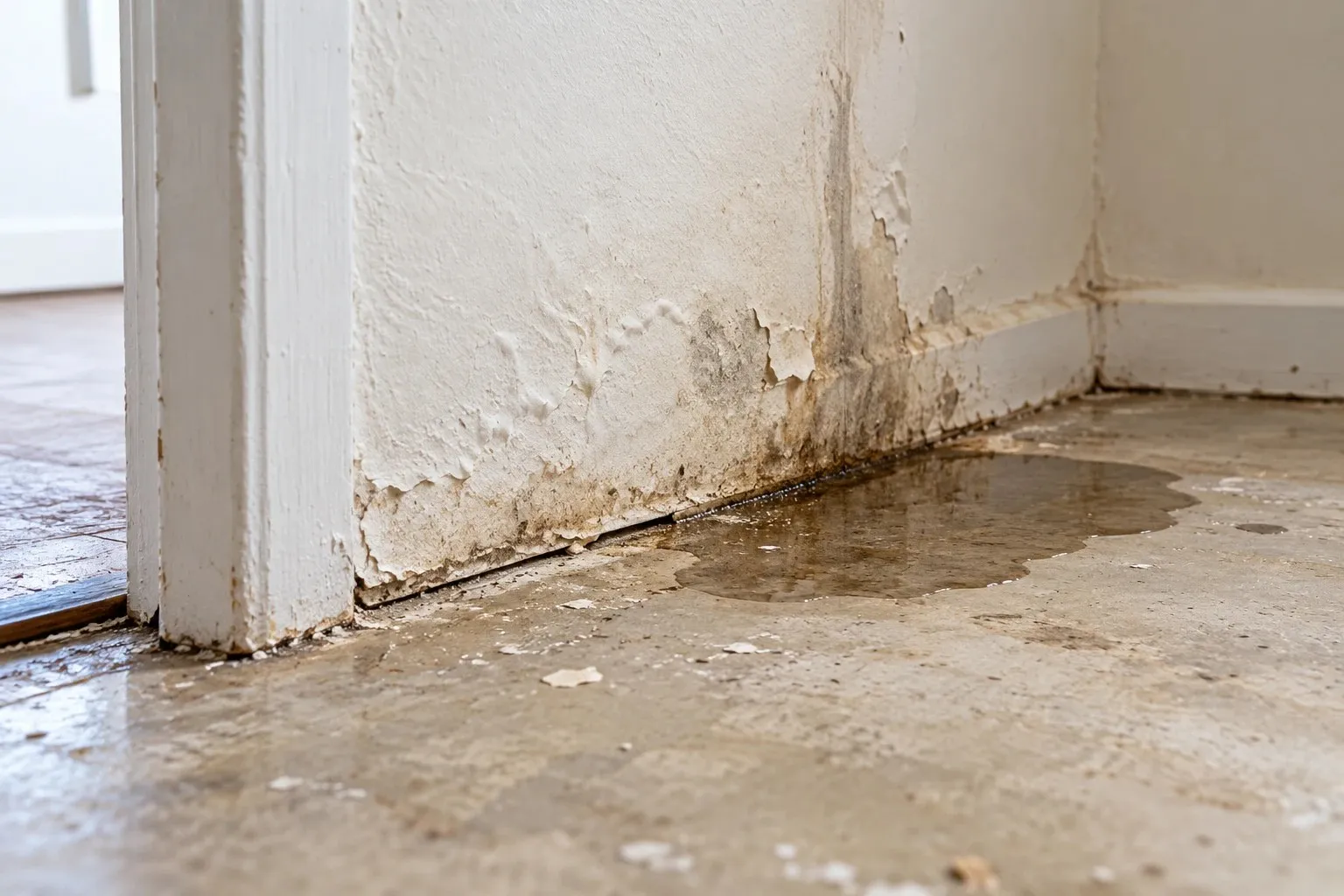
How it usually works:
- Barriers go up around the wet area: plastic sheeting from floor to ceiling, with a zip door for the crew.
- Negative air runs inside the barrier, so air flows into the work zone, not out of it.
- Air movers and dehumidifiers run on a schedule that fits your hours.
- High traffic areas dry first, so the space you need most comes back first.
- Floor protection goes down on the routes staff and customers still use.
For a restaurant, the work is planned around health code rules, so the kitchen line may keep running while the dining room dries. For an office, servers and records come first.
Containment is also what a health inspector, a landlord or an HOA board wants to see when a building stays open through a water loss.
Documentation your carrier needs
Commercial claims are won on paperwork. A good drying job produces a file your adjuster can read without a phone call, and the file should start on day one.
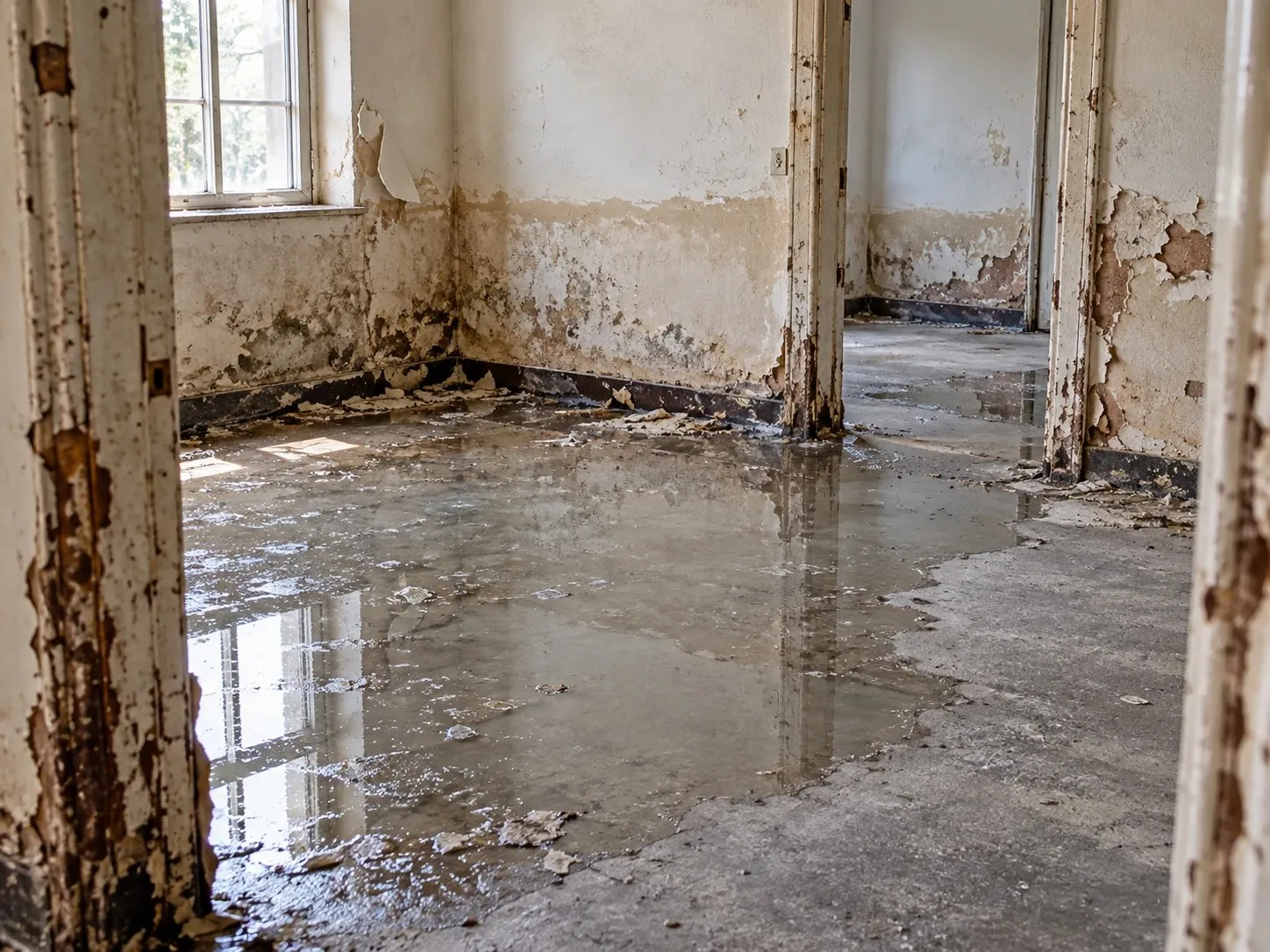
What the file should hold:
- The cause of loss, photographed before anything was moved.
- A moisture map of the affected area.
- Daily drying readings, with dates.
- Photos before, during and after.
- An equipment log: what ran where, and for how many hours.
- A written scope of work.
If the space is leased, the file also needs the landlord side and the tenant side kept apart. The building, the tenant improvements and the contents are often covered by different policies held by different parties.
The S500 standard is the restoration industry's reference for water damage work, and it covers offices and institutions as well as homes. On a commercial loss, the paperwork can matter as much as the drying.
Restaurants, salons, clinics and multi unit: what is different
In every case the first question is what is in the water. The answer decides whether things can be dried or have to be removed.
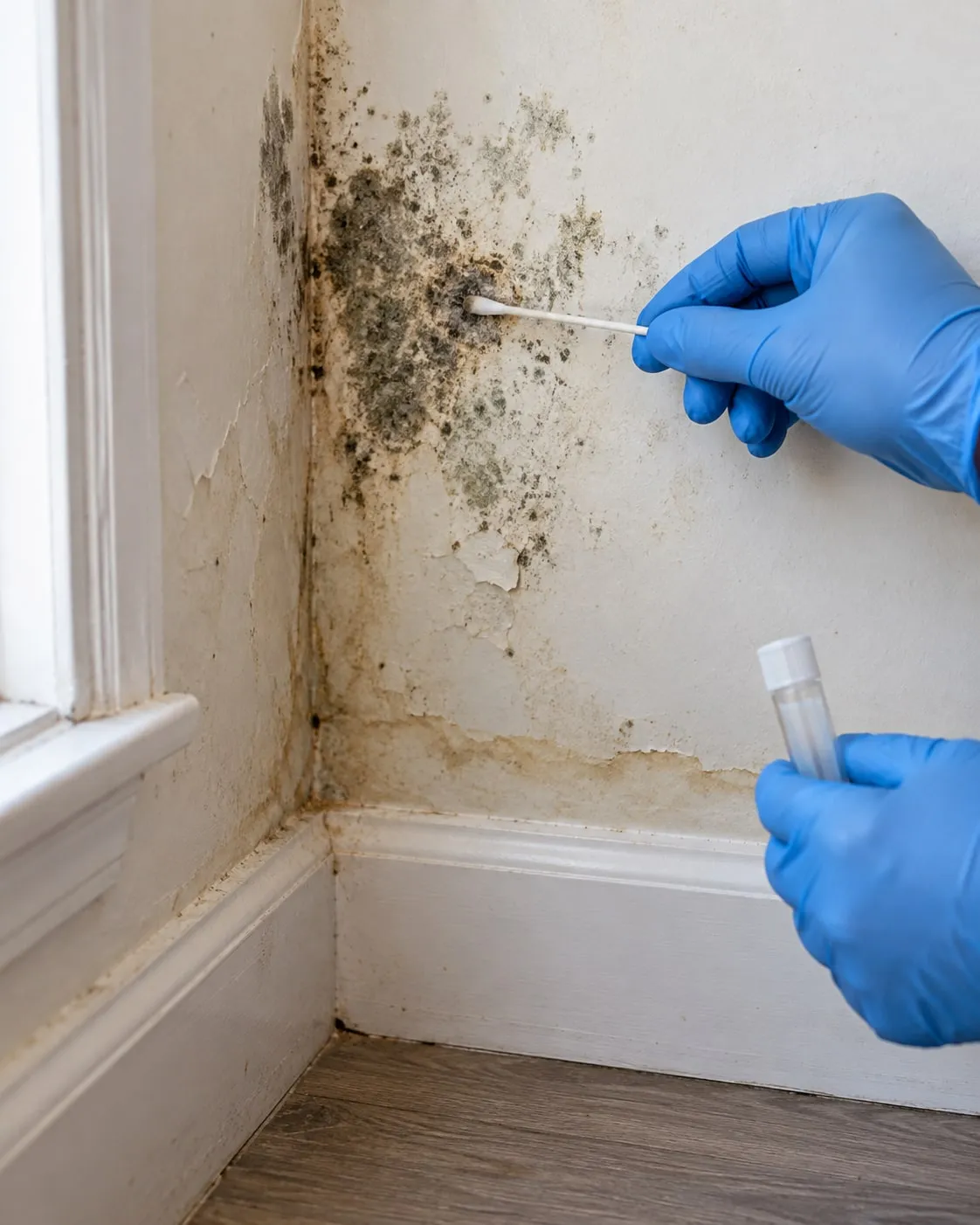
Each kind of business adds its own problem:
- Restaurants and kitchens carry grease and food waste, so water that touched them is often treated as dirty water. Surfaces get cleaned and sanitized, not just dried.
- Salons have chemicals on the floor and in the drains, so their water may be treated the same way.
- Clinics and dental offices need surfaces cleaned and sanitized to their own standards, and may need proof of it before reopening.
- Multi unit and HOA properties need the loss documented unit by unit, because several owners and several policies are involved.
- Warehouses and industrial spaces usually have a large open floor that dries fast, but stock and racking need protecting.
Water from a sewer line is its own case at any business. See sewage cleanup.
Does commercial insurance cover water damage?
It depends on the policy and the cause, and your insurer decides. On a commercial loss, the building, the improvements, the contents and lost business income can each sit under a different policy or a different party.
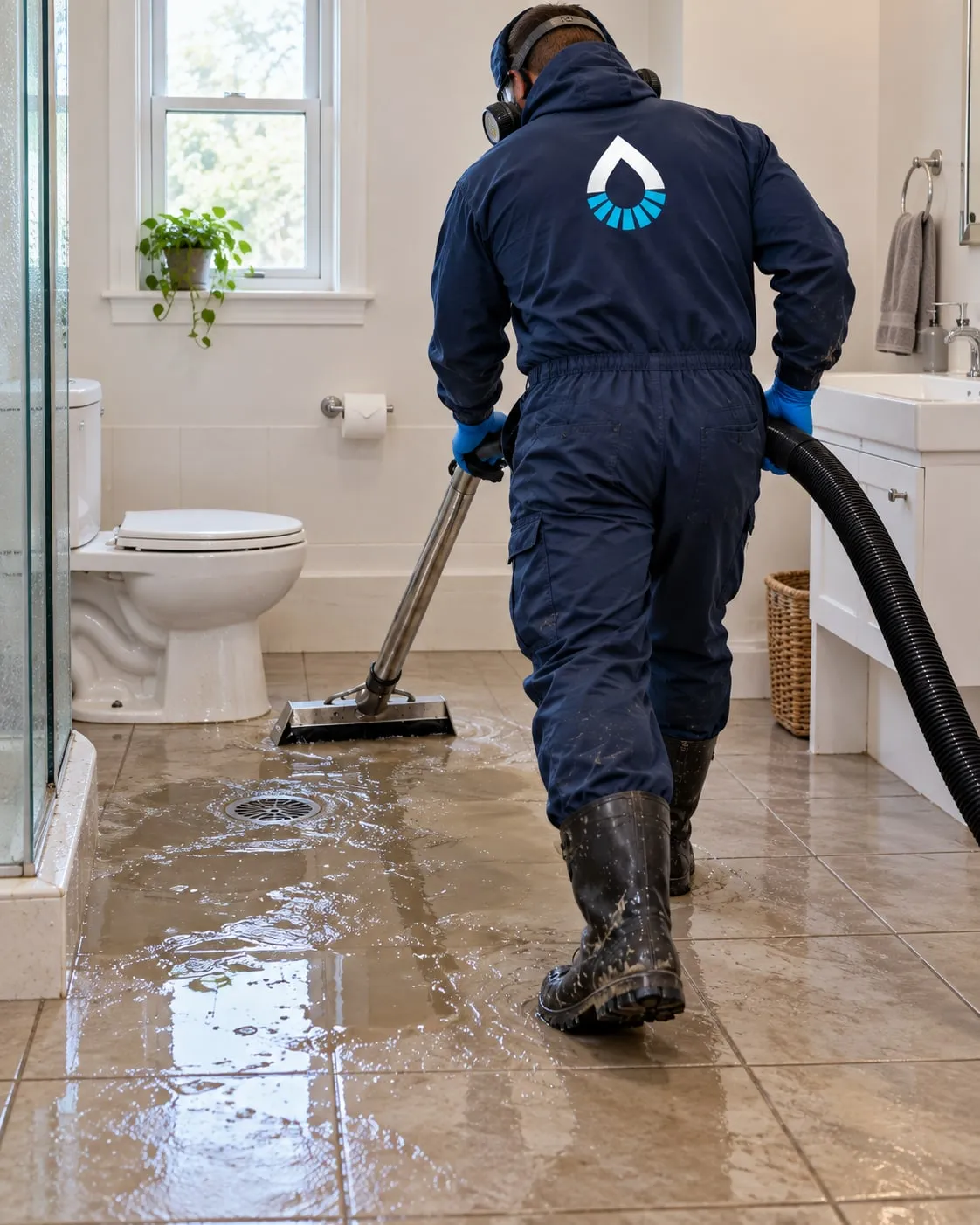
A few things to know before you call your agent:
- Flooding from outside is often excluded from standard property policies and handled by separate flood insurance. Ready.gov notes that homeowner's policies do not cover flooding; ask your agent what your commercial policy says.
- Sewer backups may need their own coverage.
- Lost income while you are closed may fall under business interruption coverage, if your policy has it.
The catch on commercial claims is scope. Keeping landlord, tenant and contents separate in the file can keep a claim from stalling while the parties sort out who covers what.
No one can promise what an insurer will pay. Report the loss early and keep the documentation together.
Related water damage pages
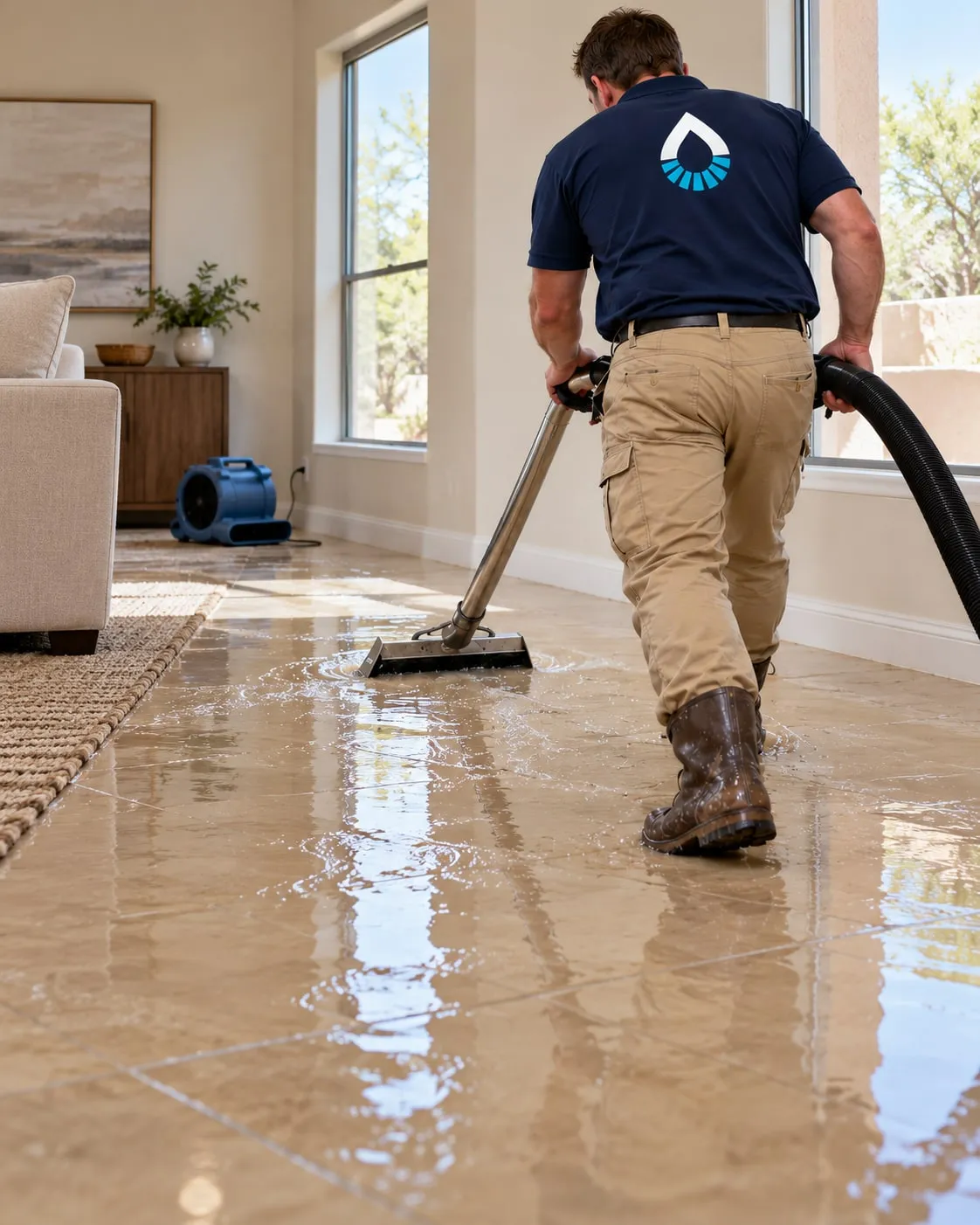 Emergency water extractionStanding water from a leak or overflow: what to do first, what can be saved and how drying works.
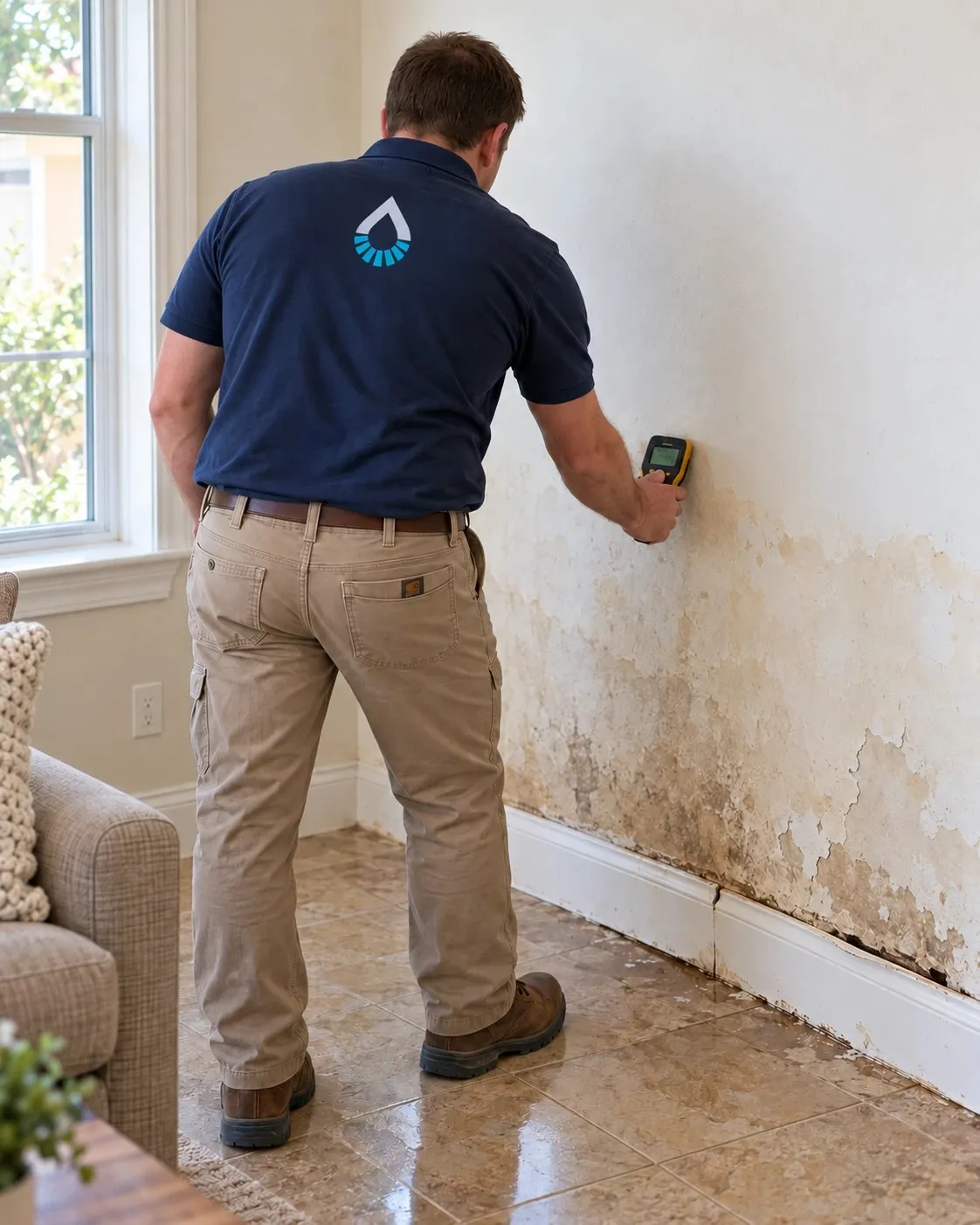 Structural dryingWalls and floors still wet after the water is gone: how drying works, how long it takes, what can be saved.
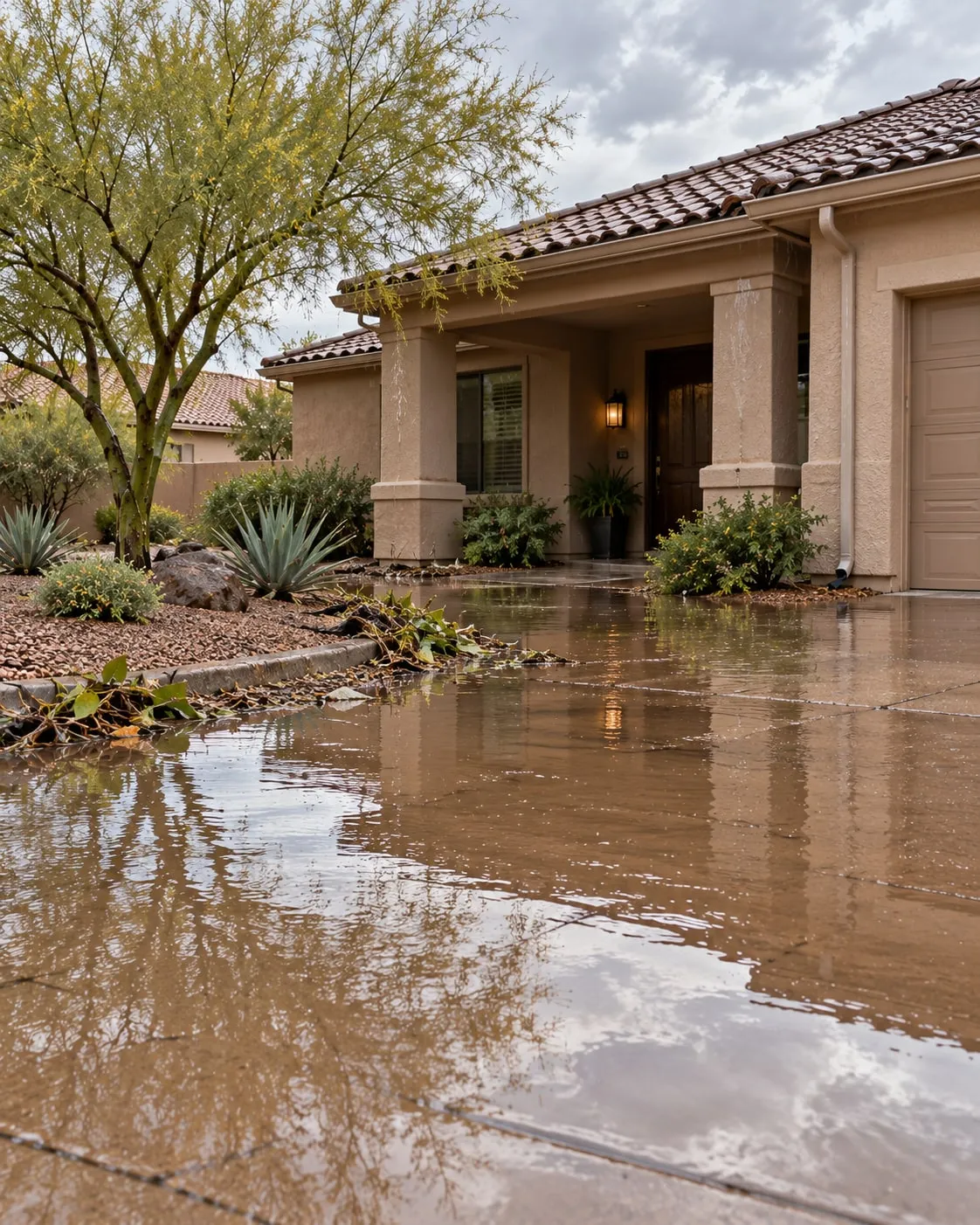 Flood & storm damageMonsoon flooding, a roof leak or water dripping from the ceiling after a storm.
Questions people ask
Can a business stay open while it dries?
Often, yes. The wet area is closed off behind plastic barriers with negative air, and the loud equipment can run outside business hours, so the rest of the building keeps working.
What should I say when I call?
Say what the business is, how many rooms or units got wet, where the water came from and whether you are open or closed right now.
Who handles the claim, the landlord or the tenant?
Often both are involved, because the building and the contents are usually on separate policies. The file should keep landlord, tenant and contents apart from day one. Each insurer decides what its policy covers.
Will this raise our insurance premium?
That depends on your insurer, your policy and your claims history, not on the leak alone. Ask your agent.
What about a building with several units?
Multi unit and HOA losses are documented unit by unit, so every affected owner and policy has its own record.
Pick your town for local storm risks and what to do first when water gets into a home.
- ScottsdaleIndian Bend Wash Greenbelt: 11 miles of flood control.
- Paradise ValleyAbout 4.4 miles from Scottsdale City Hall, with four water providers and many properties on septic.
- North ScottsdaleDC Ranch and Pinnacle Peak Park, about 16 to 21 miles from Scottsdale City Hall.
- Fountain HillsAbout 21 miles from Scottsdale City Hall. 58% of homes here were built from 1980 to 1999.
- Cave CreekFounded in 1870 as a mining and ranching community, about 29 miles from Scottsdale City Hall.
- CarefreeEasy Street and Ho Hum Road, about 27 miles from Scottsdale City Hall.