Mitigation stops the water and dries the building. Restoration rebuilds what got wet. In a Scottsdale monsoon, you usually need both, in that order, and they are two separate scopes, two separate crews, and two separate bills.
The short answer
Mitigation comes first and it is time critical. Extract the standing water, cut out what cannot be dried, and run equipment until the structure meets a dry standard. Restoration is what comes after: drywall, baseboards, flooring, paint, everything put back. Whether your house needs one or both depends on the slab, the roof, the wall, and how long the water sat before anyone found it.
Water mitigation: what it actually is
Mitigation is the emergency half of the job. The first move is stopping the source. A supply line shut off at the wall. A roof patched. A condensate line capped. Then the water comes out. Standing water is extracted with a truck mount or a portable unit, and saturated material gets cut away before it can wick any further.
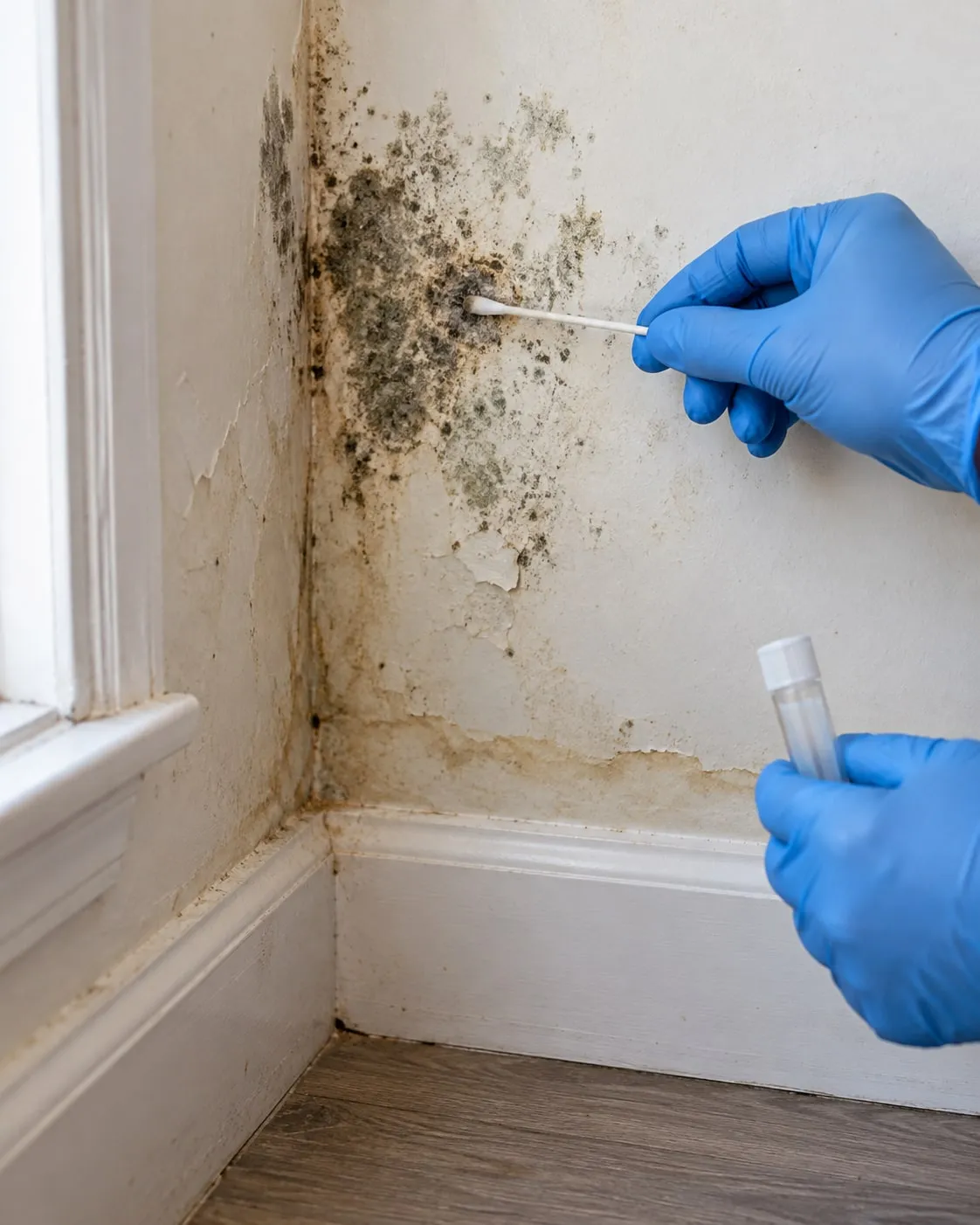
Here is the part nobody watches. Drywall wicks. Water that pools against a wall for a few hours climbs the gypsum core, and the paper face feeds mold within days in a warm house. A slab holds moisture longer than anyone expects. Water that ran under the baseboards during a storm sits in the slab and releases slowly for weeks. Mitigation is about chasing that moisture with meters and equipment until the wood and the drywall hit the dry standard, not just until the floor looks dry.
The equipment is part of the discipline. Air movers push air across wet surfaces to speed evaporation, and dehumidifiers pull that vapor back out of the room air. Without both, the water moves but it does not leave. Our piece on the dehumidifier vs air mover question walks through how the machines split the work.
Mitigation also handles what the water already touched. Wet contents get packed out, and every piece gets inventoried, because an uninventoried box is a box the claim cannot pay for. And before anything is cut, the wet rooms get photographed. Documentation is part of mitigation, not an add-on, and a company that opens walls before it photographs anything is writing the claim off before it is filed.
Restoration: what it actually is
Restoration starts where mitigation ends. Once the structure is dry, the rebuild begins. Drywall hung and taped, texture matched, trim and baseboards set, flooring put back, paint. It is construction work with one extra rule: nothing goes back over a surface that has not passed a moisture reading.
The scope is driven by what got wet and what got cut out. A supply line in a bathroom might mean drywall, a vanity, and paint. Monsoon water through a flat roof can mean ceiling drywall in two rooms, insulation, and flooring. The cost of the whole job moves with that square footage and with the finish level of the house.
Where water mitigation fails here
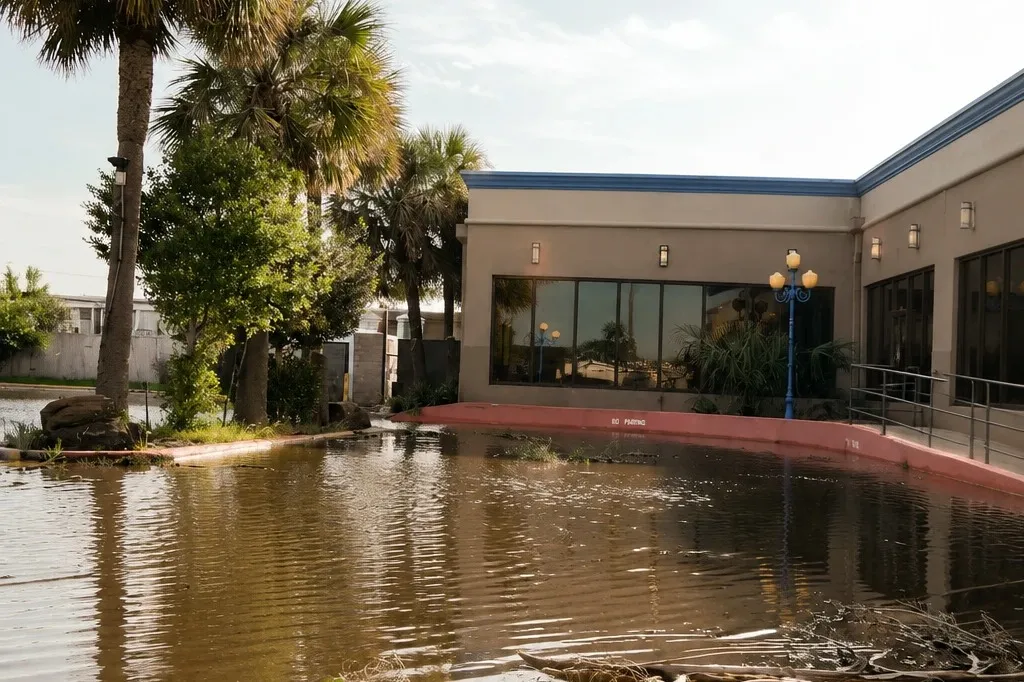
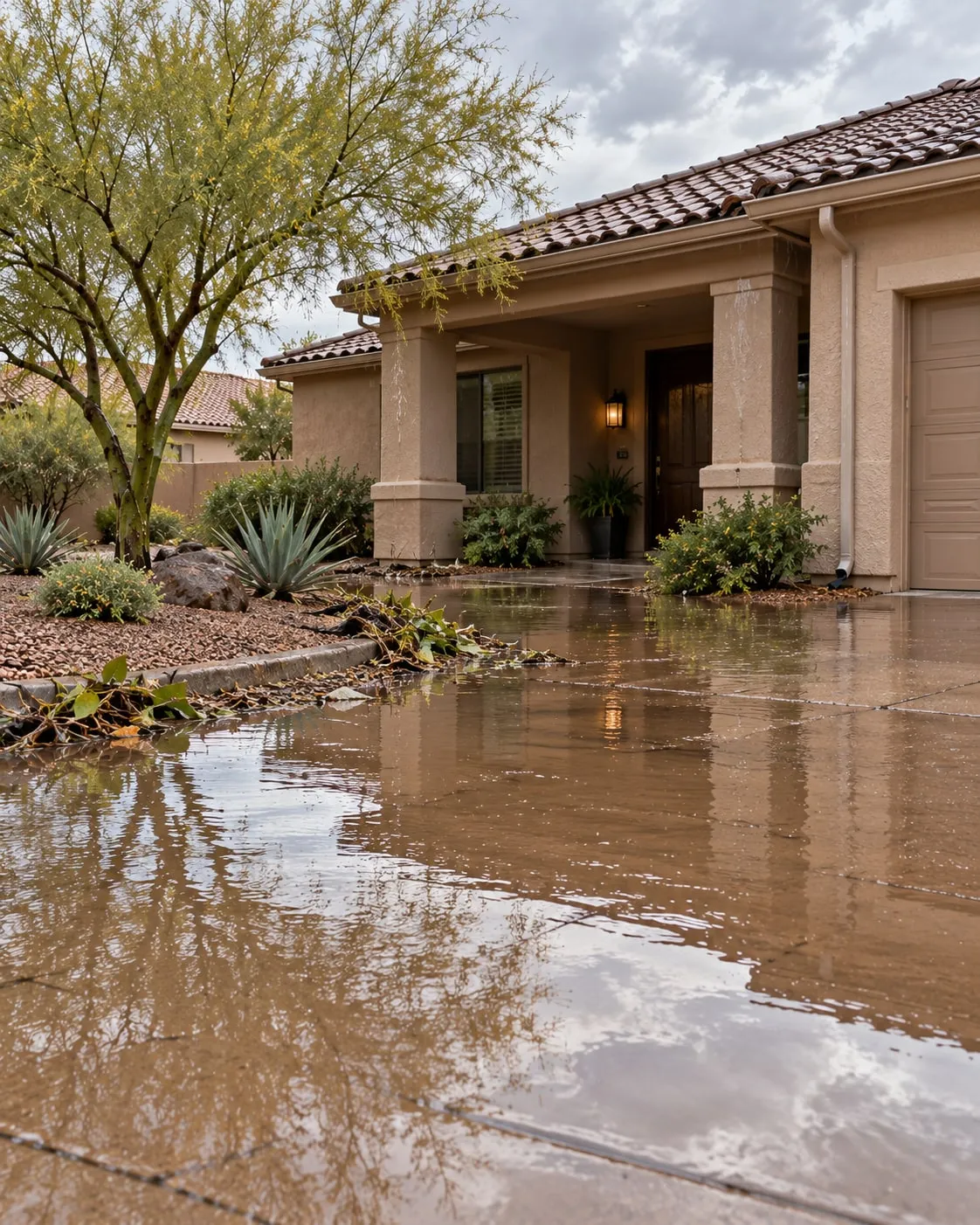
Scottsdale’s flat roofs and parapets are where the job goes wrong before it starts. Monsoon storms from July through September drop water faster than the desert soil can take it, so the water runs along the surface, ponds on flat roofs, and pools against parapets. Dust and monsoon debris clog the scuppers, and the pond grows. Water sits at the flashing until it finds a seam, then it runs down inside the wall.
A second home makes it worse. Houses in DC Ranch and up toward Carefree sit empty through the storm season. A leak that would be noticed in an hour in a lived-in house gets weeks of ponding time before the first person opens the door. By then the ceiling is down, the insulation is soaked, and the drying job is twice the size it would have been on day one.
The other Scottsdale failure is timing. Equipment pulled after three days while the cavity is still wet is the classic story, and in this climate it bites harder, because a warm slab keeps releasing moisture into the wall cavity for weeks. Caliche around the foundation can trap water against the slab edge, which is exactly the seam nobody dries.
Where restoration fails here
The most common failure is drywall over a wet plate. If mitigation stopped early, the bottom plate of the wall is still wet when the new drywall goes on, and the paper backing becomes food for mold. The rebuild looks fine for three weeks. Then it does not.
Scottsdale homes raise the bar on matching. Larger primary rooms, high-end finishes, texture and paint that have to blend into what was already there. A cheap rebuild stands out in a house where nothing else does. And if the water touched the exterior, stucco, parapet caps, anything visible from the street, the HOA design review becomes part of the job, and approval comes before work, not after.
A second home adds a wrinkle to the rebuild itself. The owner is often out of state while the work happens, approvals happen by phone, and finish decisions get made from photos. Texture and paint that would be checked in person get checked in a text message. The rebuild that follows a monsoon loss in an empty house needs the same eyes on it as a rebuild you are living through.
What it costs and what drives the number
These are two different bills, and both vary. Mitigation pricing moves with how much water there was, what category it is, how many rooms are wet, and how many days the equipment has to run. Restoration moves with square footage of drywall, the flooring type, and the finish level of the house. Anyone who quotes before seeing the moisture readings is guessing. The two numbers also move independently. A big mitigation bill can sit next to a small restoration bill when the drying ran long, and the reverse happens when the water was clean but the rebuild is large. Ask for the two scopes separated on paper, because a single blended number hides which half is driving the price.
What good work looks like in Scottsdale
This is the playbook laid out on the home page.
- The two scopes get explained in writing before anyone signs, so you never pay for restoration while the walls are still wet.
- Good work documents before it demolishes. Photos of the wet wall, the readings, the scope written down.
- Equipment stays until the meter says dry, not until the calendar says day three.
- Whether a claim should be in play instead of your own checkbook comes up early, and the water category changes the scope.
Flat roof, clogged scupper, or a ceiling down in a house you only see on weekends. Call (480) 386-9277 and tell us what you are looking at, or read our complaints policy if a job is already going sideways.
If the fans already came and went and the smell did not, call (480) 386-9277 before anyone hangs new drywall.